
5%, 15%, 20%, 35%, or 50%: A Car Tint Percentages Guide
July 22, 2026
Car tint percentages describe how much visible light can pass through window film. A lower percentage creates a darker appearance because less light enters the vehicle. Therefore, 5% tint appears much darker than 50% tint. The right choice depends on visibility, privacy, glare control, driving habits, vehicle type, personal style, and Illinois window tint laws. However, choosing a percentage based only on appearance can lead to disappointment. A shade that looks great in a photo may feel too dark during nighttime driving. Likewise, a light shade may provide less privacy than expected. Drivers should also understand that tint darkness and heat rejection are not the same thing.
At D’Andrea Auto Detailing, we help Carol Stream, IL, vehicle owners compare 5%, 15%, 20%, 35%, and 50% tint options before selecting a package. Our professional window tinting services focus on comfort, infrared heat reduction, UV resistance, glare control, privacy, and a clean finished appearance. D’Andrea offers Geoshield window film options and multiple coverage packages for daily drivers, sports cars, SUVs, trucks, and Tesla models.
1. What Do Car Tint Percentages Mean?
A tint percentage refers to visible light transmission, commonly called VLT. VLT measures the amount of visible light that passes through the tinted window. For example, a 50% film allows much more visible light through than a 5% film.
The relationship works in reverse from what some drivers expect:
- 50% tint: Allows about 50% of visible light through the film.
- 35% tint: Allows about 35% of visible light through the film.
- 20% tint: Allows about 20% of visible light through the film.
- 15% tint: Allows about 15% of visible light through the film.
- 5% tint: Allows about 5% of visible light through the film.
Therefore, a lower number means a darker window. A higher number means a lighter window. The percentage printed on a film describes the film itself. However, automotive glass may already reduce some visible light before an installer adds film. As a result, the final measured VLT can differ from the film’s labeled percentage. This distinction matters for legal compliance. Illinois law refers to the amount of light transmitted through the treated window, and law enforcement may use a light meter to evaluate that transmission. Consequently, drivers should consider the completed window system rather than assuming the film label alone determines legality.
2. A Quick Comparison of the Five Tint Options
Every tint level creates a different balance between appearance and daily usability. Although the result can vary by vehicle, interior color, glass size, weather, and lighting, the following overview offers a practical starting point:
- 50% tint: Light appearance, strong outward visibility, and limited privacy.
- 35% tint: Balanced appearance, useful glare reduction, and good daily usability.
- 20% tint: Noticeably dark appearance with increased daytime privacy.
- 15% tint: Dark, bold styling with stronger privacy but reduced low-light visibility.
- 5% tint: Very dark appearance with maximum privacy and significant nighttime visibility limitations.
These descriptions explain how each percentage generally feels. However, they do not confirm that every shade can legally go on every window. Illinois rules vary according to window position, rear-window darkness, factory privacy glass, vehicle configuration, and medical exemptions.
3. What Does 50% Window Tint Look Like?
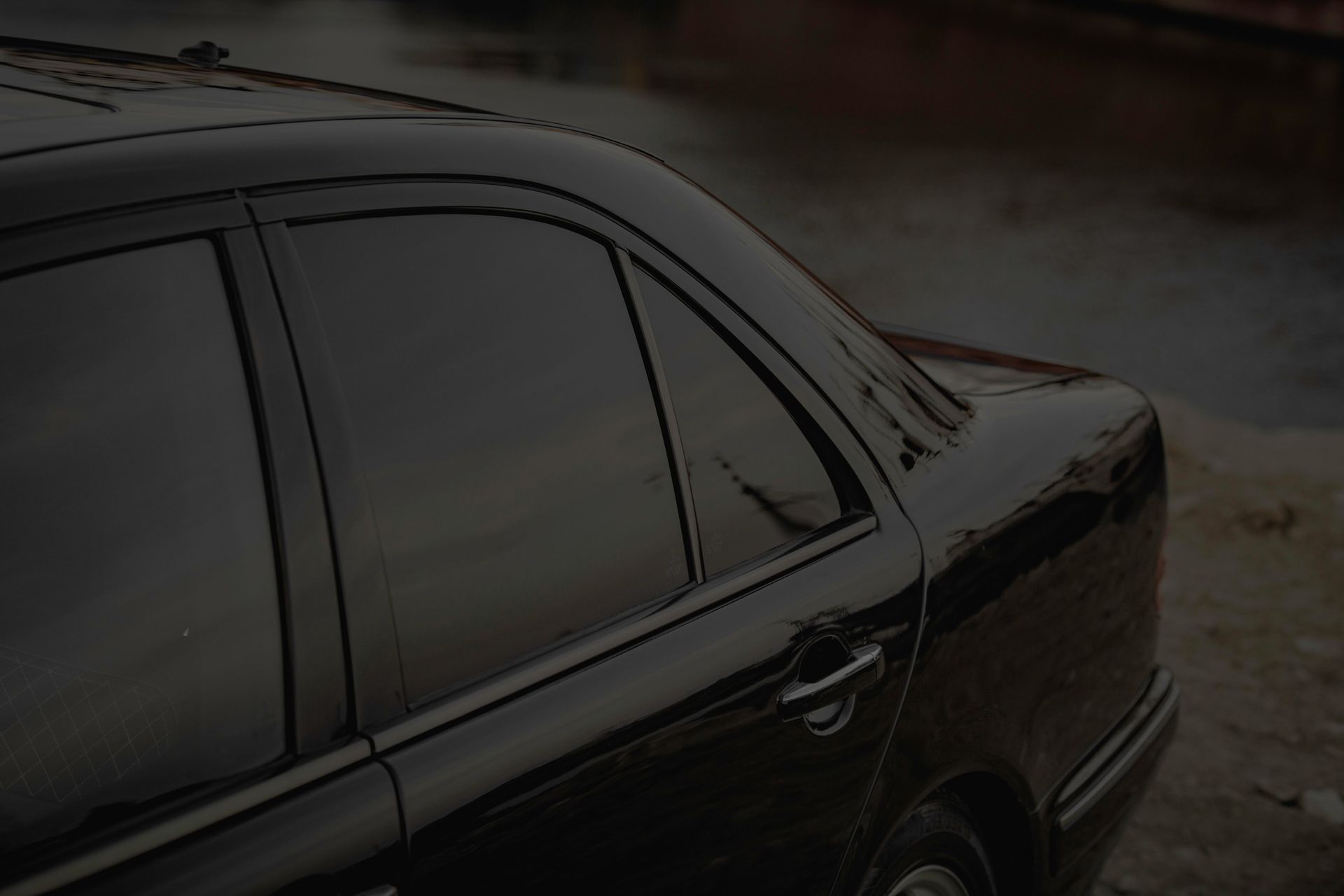
A 50% tint creates a light and subtle appearance. It reduces some visible brightness without making the windows look heavily tinted. In many lighting conditions, people can still see the vehicle’s interior from outside. This percentage works well for drivers who prioritize outward visibility. It usually feels more natural during nighttime driving because it allows more streetlight, headlight, and environmental light into the cabin than darker options. Therefore, it may suit drivers who regularly travel before sunrise, after dark, or in poorly lit areas. A 50% option can also provide a refined appearance for vehicles whose owners do not want a dramatic color change. The windows may look slightly shaded while maintaining a factory-inspired style. However, it offers less daytime privacy than 35%, 20%, 15%, or 5% film.
Drivers often assume that a lighter film cannot provide meaningful heat or UV performance. That assumption overlooks the film’s construction. High-performance ceramic films can manage infrared heat and UV exposure without relying only on a dark appearance. Geoshield’s product information shows that its ceramic film technology provides heat and UV performance across several VLT options.
Who May Prefer 50% Tint?
A 50% shade may work well for someone who:
- Values nighttime visibility.
- Wants a lighter, less noticeable appearance.
- Drives frequently on dark suburban or rural roads.
- Wants heat-rejection performance without very dark glass.
- Needs a percentage that may fit a specific legal window configuration.
- Prefers function over maximum privacy.
Although 50% provides less privacy, it can create a practical balance for daily driving. It may also help front windows blend more naturally with lightly shaded rear glass, depending on the vehicle.
4. What Does 35% Window Tint Look Like?
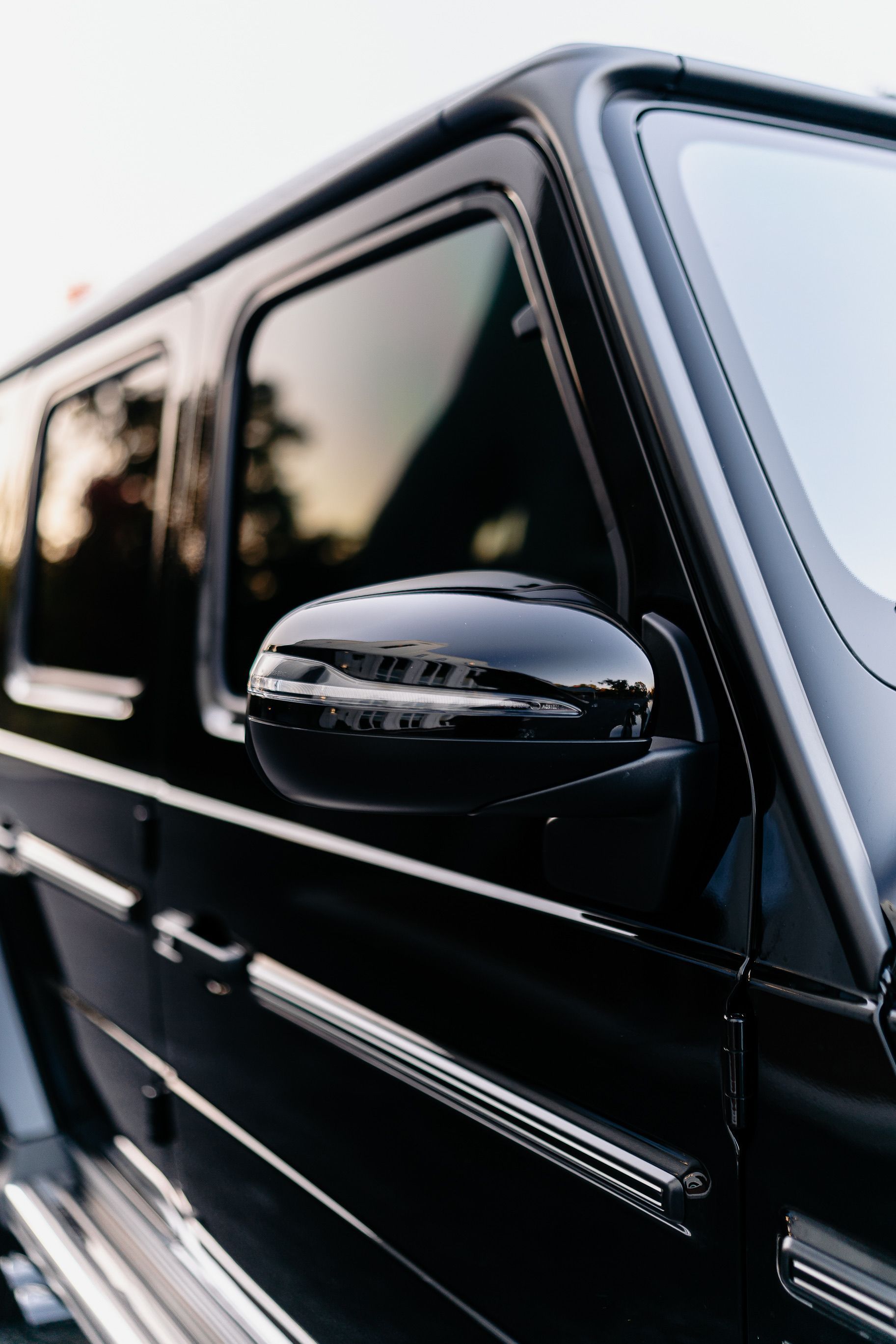
A 35% tint creates a medium-light appearance. It looks noticeably tinted from outside, but it does not usually make the cabin feel heavily enclosed. Because it retains a useful amount of outward visibility, many daily drivers consider it a balanced option. During daylight, 35% film can reduce brightness and provide more privacy than 50%. People outside the vehicle may still see the interior, especially when sunlight strikes the opposite side of the glass. However, the darker tone makes the cabin less open than it would appear with untinted or lightly tinted windows.
At night, 35% generally provides better side-window visibility than 20%, 15%, or 5%. Still, every driver experiences darkness differently. Age, eyesight, local street lighting, weather, window size, mirror design, and personal comfort can affect how a percentage feels. For Carol Stream drivers, 35% may offer a useful compromise between style and regular commuting needs. It can provide a finished appearance without creating the strong low-light limitations associated with very dark film.
The exact legality of 35% depends on where the film goes and how the rest of the vehicle’s glass is treated. Illinois law permits certain front-side-window configurations at no less than 35% light transmission when the windows behind the driver also meet the applicable transmission requirement. Therefore, drivers should review the entire tint setup with a professional rather than selecting each window separately.
Why Drivers Often Consider 35%
This percentage may appeal to drivers who want:
- Noticeable tint without an extremely dark cabin.
- A balance between daytime privacy and nighttime usability.
- Reduced brightness during sunny commutes.
- A clean appearance for a sedan, coupe, truck, or SUV.
- Better outward visibility than 20%, 15%, or 5%.
- A shade that may work within an applicable Illinois configuration.
Among the available car tint percentages, 35% often represents the middle ground. However, drivers should still view a real film sample because photographs can make the same percentage appear lighter or darker.
5. What Does 20% Window Tint Look Like?
A 20% tint creates a clearly dark appearance. It allows only a limited amount of visible light through the film, so it offers stronger daytime privacy than 35% or 50%. From outside, people may see shapes or movement inside the vehicle, but interior details become harder to identify. Bright sunlight, a light-colored interior, and illumination inside the cabin can still make occupants visible. Therefore, 20% should not be treated as complete privacy.
Many drivers like 20% because it delivers the dark, finished style they associate with custom automotive tint. It can also reduce the intensity of bright daylight and help passengers feel less exposed. However, those benefits come with a trade-off. At night, 20% allows much less visible light through side and rear windows. Turning, reversing, parking, and checking for pedestrians or cyclists may require more attention in poorly lit areas. Rain, fog, snow, or dark pavement can make visibility more challenging.
A driver who spends most of the day on bright roads may find 20% comfortable. In contrast, someone who frequently drives after dark may prefer a lighter shade. Visibility should take priority over appearance, especially on windows used for direct driving observation.
When 20% May Be a Practical Choice
Drivers may consider 20% when they want:
- A dark and customized exterior appearance.
- Increased daytime cabin privacy.
- Reduced visible brightness.
- Darker rear passenger or cargo-area glass where legally permitted.
- A closer visual match to some factory privacy glass.
- A stronger style statement than 35% or 50%.
However, Illinois law does not allow drivers to apply 20% film freely to every automotive window. Its suitability depends on the window location and complete vehicle configuration. A professional installer should review those factors before recommending placement.
6. What Does 15% Window Tint Look Like?
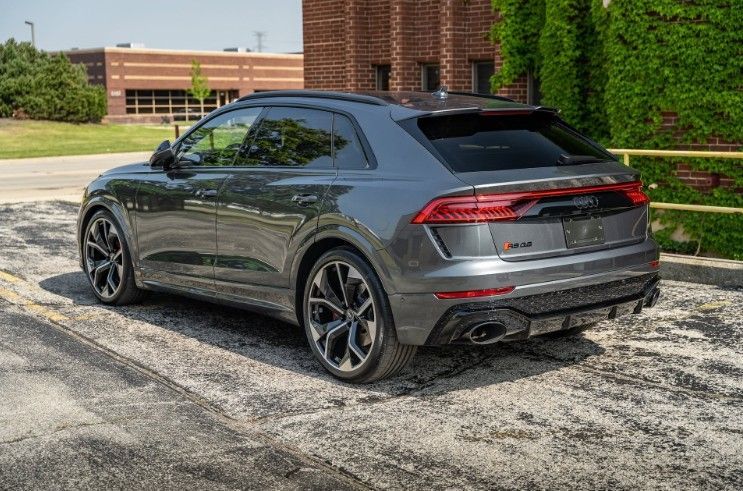
A 15% tint creates a dark appearance that provides substantial daytime privacy. Only a small amount of visible light passes through the film, so the cabin looks much less open than it would with 35% or 50% tint. This shade may suit drivers who prefer a bold look or want darker glass around rear passenger and cargo areas. It can create a more uniform appearance on SUVs or vehicles with existing privacy glass. However, matching factory glass requires more than choosing a number from a chart. The original glass color and transmission level can affect the finished result.
During the day, 15% reduces the amount of visible light that reaches occupants. As a result, it can soften bright surroundings and limit outside views into the cabin. Nevertheless, the film does not turn the vehicle into a completely private space. Interior lighting and viewing angles can still reveal people or objects. At night, 15% creates a clear reduction in outward visibility. Drivers may struggle more when checking side streets, parking spaces, curbs, pedetrians, bicycles, and unlit obstacles. Although backup cameras and parking sensors can help, they do not replace direct observation through the windows.
Questions to Ask Before Selecting 15%
Before choosing 15%, consider the following:
- How often do you drive after dark?
- Are most local roads well lit?
- Do you regularly reverse in dark parking areas?
- Does your vehicle have small side or rear windows?
- Do you have difficulty seeing in rain or low light?
- Will the selected placement comply with Illinois law?
- Are you choosing the shade for privacy, appearance, or both?
These questions help separate a visual preference from a practical daily decision. A shade can look excellent while parked but feel uncomfortable on a dark road.
7. What Does 5% Window Tint Look Like?
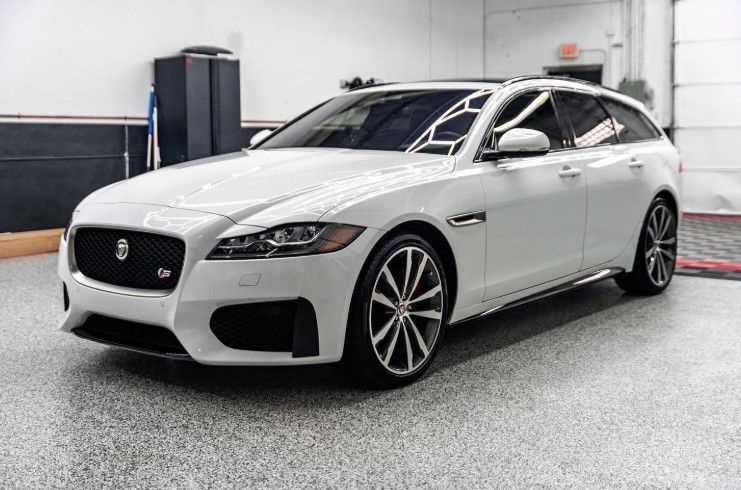
A 5% tint creates an extremely dark appearance. It allows very little visible light to pass through the film, so it provides the highest level of daytime privacy among the five options discussed here. From outside, the interior may appear nearly black under many daylight conditions. However, bright interior lighting can still reveal occupants or items. Therefore, no tint percentage should replace safe storage practices. Drivers should continue to remove valuables from view and lock the vehicle.
While 5% offers maximum privacy and bold styling, it can sharply limit outward visibility at night. Dark roads, parking garages, heavy rain, snow, and poorly lit intersections may become harder to navigate. Some drivers may feel the need to lower a side window to see clearly while reversing or turning, which indicates that the shade may not suit their normal driving conditions.
A 5% film can also make the cabin feel enclosed. Some passengers appreciate that atmosphere, while others prefer more natural light. Interior color also matters. A black interior usually makes the overall result appear darker than a tan, cream, or light-gray cabin. This option generally makes the most sense for specific rear-window applications where permitted, show vehicles, or owners who understand the visibility trade-off. It should not be treated as a universal tint choice.
Important Considerations for 5% Tint
A driver considering 5% should evaluate:
- Significant reductions in nighttime visibility.
- Illinois restrictions for front and windshield applications.
- The need to observe pedestrians and cyclists through side glass.
- Rear visibility when cameras become dirty, blocked, or unavailable.
- Whether maximum privacy matters more than daily convenience.
- How dark the film will appear with the existing factory glass.
- Whether the vehicle has dual side mirrors as required for certain rear-window treatments.
Illinois law requires qualifying vehicles with materially obscured rear windows to have compliant side mirrors on both sides. In addition, very dark film cannot automatically be installed on every window simply because the manufacturer offers that shade.
8. Privacy, Glare, and Visibility: Understanding the Trade-Off
The darkest film does not automatically create the best driving experience. Tint selection requires a balance between privacy, glare reduction, outward visibility, and personal comfort. Darker film can reduce visible brightness during the day. It may also soften some glare entering through side and rear windows. However, darkness cannot selectively remove only uncomfortable light. It reduces all visible light passing through the treated glass.
As a result, very dark film may feel comfortable in direct sun but less practical after sunset. Streetlights, pedestrians, curbs, and objects in shadow may become harder to see. Therefore, drivers should consider when and where they use the vehicle most often. Privacy also changes with lighting. Tint usually provides more privacy when the outside environment is brighter than the cabin. At night, interior lights can make occupants easier to see through tinted glass. Consequently, even 5% or 15% film cannot guarantee privacy under every condition.
Before selecting a shade, compare these priorities:
- Style: How dark do you want the vehicle to look?
- Daytime privacy: How important is limiting views into the cabin?
- Night driving: How often do you travel after sunset?
- Glare sensitivity: Do bright surroundings cause discomfort?
- Passenger comfort: Do rear passengers prefer more shade?
- Local lighting: Are Carol Stream and nearby routes well lit?
- Legal compliance: Can the shade go on the selected windows?
The best option supports your normal driving routine. It should not force you to adapt basic driving behavior just to maintain a certain appearance.
9. How to Choose the Right Tint Percentage Step by Step
Choosing window tint becomes easier when you follow a clear process. Instead of starting with the darkest film, begin with your actual driving needs.
Step 1: Identify Your Main Goal
Decide whether you care most about heat control, privacy, glare reduction, appearance, UV resistance, or a combination of these benefits. This step prevents you from using darkness as the only measure of performance.
Step 2: Review Your Driving Schedule
Consider how often you drive during daylight and after dark. A lighter tint may provide greater comfort if you regularly drive early in the morning, late at night, or on poorly lit roads.
Step 3: Review Every Window Separately
You may not need the same tint on every piece of glass. For example, your front side windows play a larger role in direct visibility than rear passenger windows.
Step 4: Check the Existing Glass
Ask the installer to evaluate factory privacy glass and existing light transmission. This information helps predict the final appearance and legal measurement.
Step 5: Compare Real Film Samples
View 5%, 15%, 20%, 35%, and 50% samples under realistic lighting. Check them from inside and outside the vehicle whenever possible.
Step 6: Review Illinois Requirements
Confirm which percentages and combinations can legally apply to your windshield, front side windows, rear side windows, and back glass. Do not rely on another state’s tint chart.
Step 7: Choose Film Technology
Compare ceramic film performance, optical clarity, heat rejection, UV protection, warranty terms, and signal compatibility. Do not select a film solely because it looks dark.
Step 8: Prioritize Daily Usability
Imagine parking, reversing, changing lanes, and turning at night. The film should support these everyday tasks without creating unnecessary difficulty.
This process helps drivers compare car tint percentages based on real use rather than appearance alone.
10. Choosing a Tint for a Daily Driver
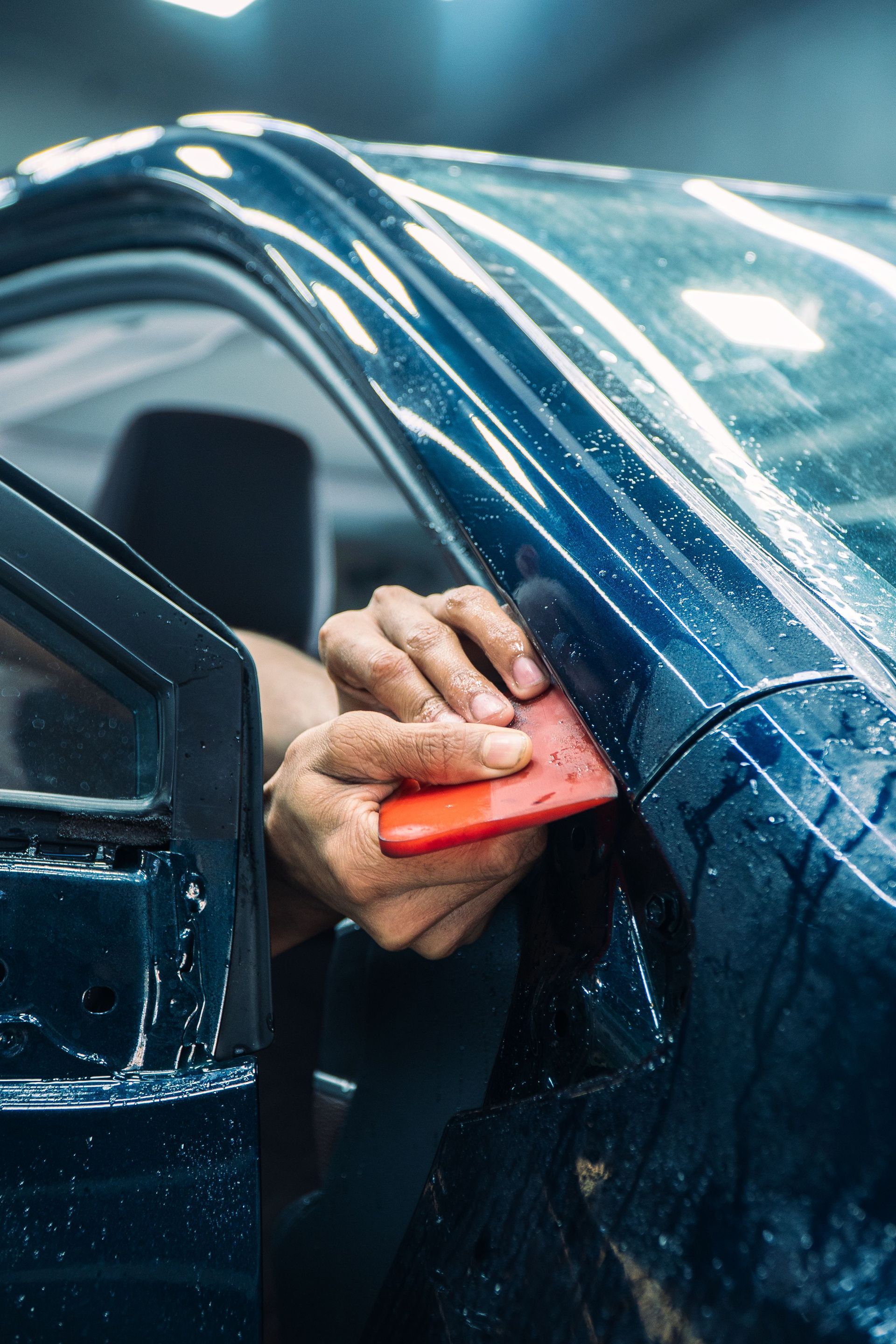
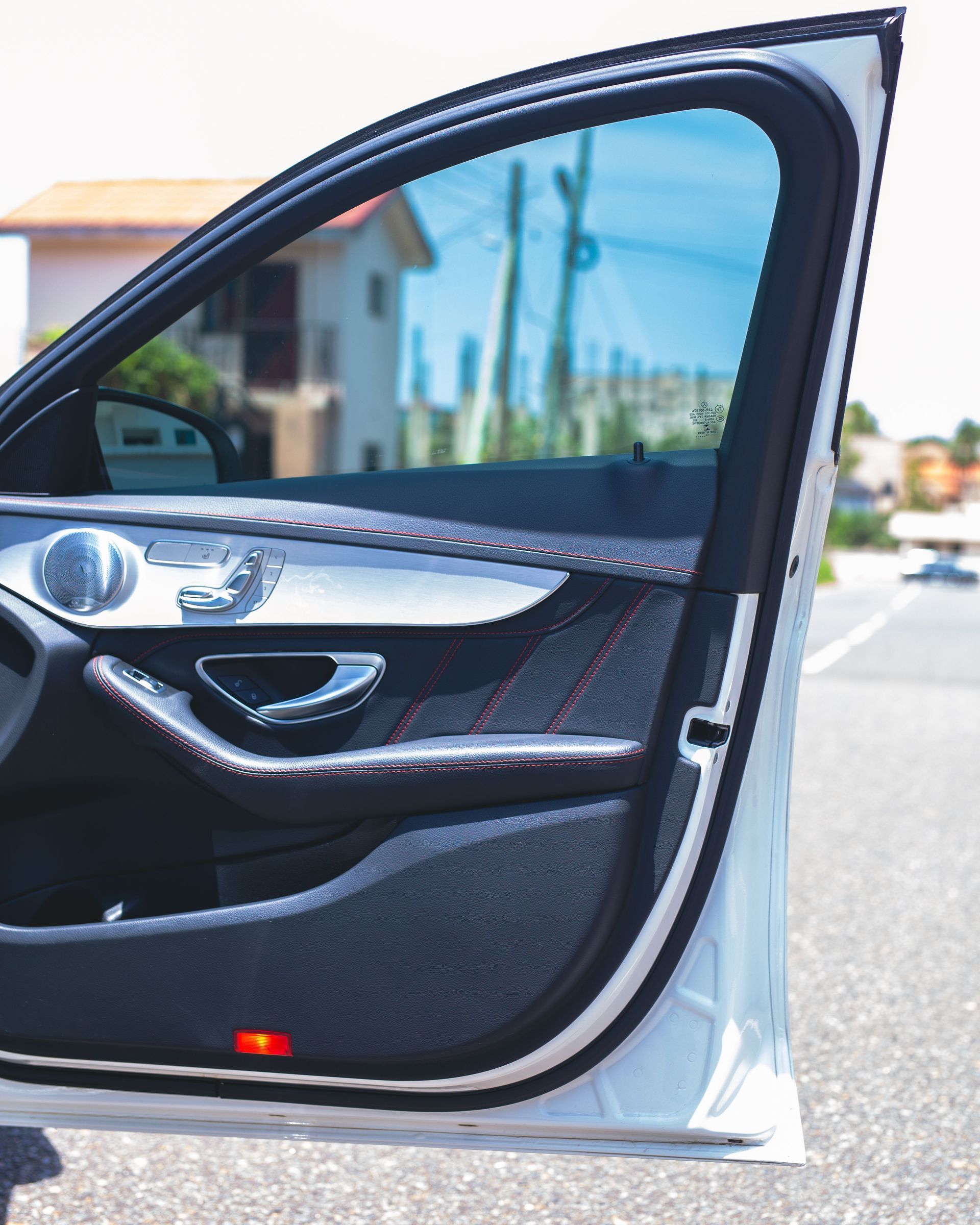
A daily-driven vehicle needs window tint that balances comfort, privacy, appearance, and clear visibility in different conditions. Drivers may use the same vehicle during bright afternoons, dark winter mornings, heavy rain, snow, and evening traffic. Therefore, the darkest option is not always the most practical choice. Lighter shades such as 35% or 50% can reduce glare and improve cabin comfort while still allowing strong outward visibility. These percentages may work especially well for drivers who commute early, return home after sunset, or frequently travel on roads with limited street lighting.
Darker shades such as 20%, 15%, or 5% can provide more daytime privacy and a bolder appearance, but they may also make nighttime driving more difficult. Before choosing a percentage, consider how often you drive after dark, whether your vehicle has factory privacy glass, and how much natural light enters the cabin. Interior color can also affect how dark the tint appears, since darker interiors often make the same film look deeper from the outside. For most daily drivers in Carol Stream, IL, the best tint percentage is one that improves comfort and style without reducing visibility or creating inconvenience during routine driving.
11. How D’Andrea Auto Detailing Helps You Select the Right Percentage
At D’Andrea Auto Detailing, we help Carol Stream drivers understand how tint percentage affects appearance, visibility, privacy, and comfort. Instead of recommending the darkest film automatically, we consider the vehicle’s glass, interior, daily use, and the customer’s priorities. This approach helps drivers select a shade that looks good and remains practical. Our available Geoshield options include 5%, 15%, 20%, 35%, and 50% shades. We also offer several coverage choices, including windshield strips, front-two-window packages, sides and rear coverage, and Tesla-specific options. Available applications must follow current Illinois requirements and any applicable exemption rules.
In addition, our team can explain the difference between tint darkness and ceramic film performance. Drivers who prioritize heat reduction may not need to choose the darkest shade. By comparing VLT, infrared performance, UV resistance, visibility, and style, we can help each customer make a more informed decision.
Conclusion
Understanding car tint percentages makes it easier to choose a shade that supports your comfort, privacy, visibility, and preferred style. A 50% or 35% tint often works well for daily driving because it allows more light into the cabin, while 20%, 15%, and 5% provide progressively darker appearances and greater daytime privacy. However, darker film can also reduce nighttime visibility, so the right choice should reflect your driving habits, vehicle design, existing glass, and local legal requirements.
D’Andrea Auto Detailing helps drivers in Carol Stream, IL, compare available tint shades and select an option that fits their vehicle and everyday needs. Our professional
window tinting services are designed to improve cabin comfort, reduce infrared heat and UV exposure, and create a clean, customized appearance. Contact D’Andrea Auto Detailing to discuss your options and request a personalized window tint quote.
