
6 Reasons Full Front Protection Is Worth the Investment
July 13, 2026
Full front paint protection film is worth the investment because it shields the vehicle panels that face the most road exposure: the front bumper, full hood, mirrors, and full front fenders. By covering these complete surfaces, PPF helps reduce rock chips, light surface marks, bug staining, and other everyday damage while preserving the original paint. This protection matters because front-end wear usually develops gradually. Small impacts accumulate during daily commutes, highway travel, construction-zone driving, and Illinois winters. Over time, a clean finish can develop chips, stains, rough spots, and visible wear that may require correction or refinishing.
At D’Andrea Auto Detailing, we install paint protection film for drivers in Carol Stream, IL, who want practical protection without changing the vehicle’s appearance. We help owners understand the full front paint protection benefits, realistic limitations, and coverage options before choosing a package.

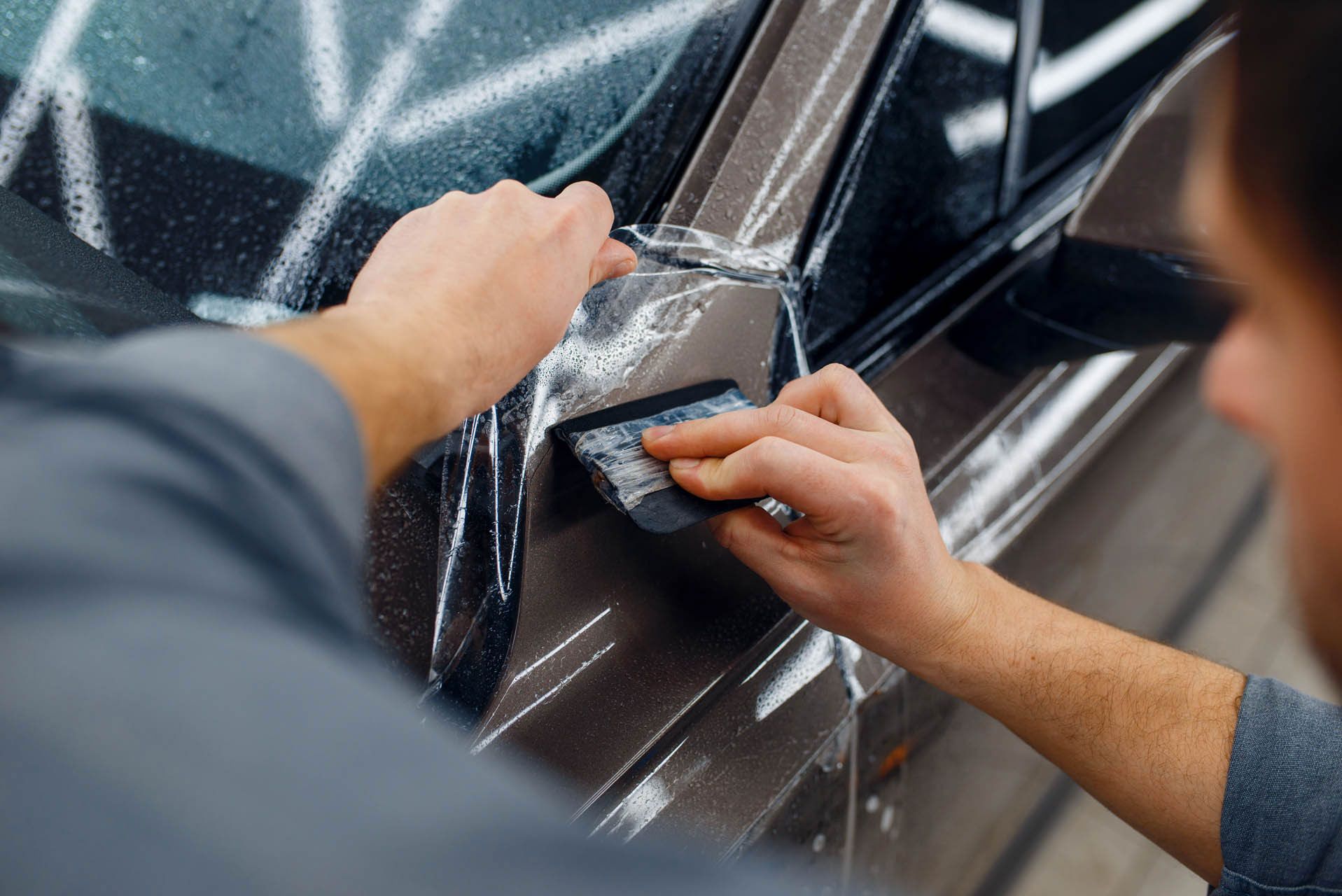
1. 6 Full Front Paint Protection Benefits That Add Long-Term Value
1.1. It Protects the Most Impact-Prone Panels
The front bumper receives repeated contact from sand, stones, insects, and road debris. The hood and fenders can also collect chips above the narrow area protected by a partial-front package. Full front coverage protects the complete hood and front fenders, not just their leading edges. That matters because road debris does not travel in a predictable line. Stones can bounce, wind can redirect particles, and nearby traffic can throw material higher than expected.
The film serves as a replaceable protective layer. If it becomes worn or damaged, an installer may be able to replace the affected section without refinishing the entire panel. The result depends on the force of the impact, but PPF provides an added line of defense for the factory finish.
1.2. It Creates Cleaner, More Consistent Coverage
Partial PPF usually ends partway up the hood and front fenders. Depending on the paint color, lighting, cleanliness, and age of the installation, that horizontal transition may become visible. Full front PPF covers each major panel from edge to edge. This creates a more uniform appearance and avoids leaving the upper portions of the hood and fenders exposed. For owners who care about paint clarity and uninterrupted reflections, this is one of the most important full front paint protection benefits. The broader coverage also makes maintenance more consistent. Instead of cleaning one protected section and one exposed section on the same panel, the owner cares for a single covered surface.
1.3. It Helps Reduce Light Surface Marks in the Film
Many modern paint protection films include a self-healing top layer. Heat from sunlight, warm water, or the body panel can help reduce light swirls and minor marks in the film’s surface. This feature has limits. It does not repair deep cuts, punctures or dents already present in the paint. Paint correction may be recommended before installation when a vehicle has visible defects. Once the surface is prepared, the film can help protect that improved finish from future light contact.
Manufacturers describe heat-activated self-healing as a way to reduce minor marks in the film’s topcoat, helping it maintain a cleaner appearance over time.
1.4. It Makes Routine Exterior Care Easier
A protected front end is often easier to maintain because insects, grime, and road film land on the PPF rather than directly on the factory clear coat. Many current films also have smooth or water-repellent surfaces that support easier washing. PPF does not make the vehicle maintenance-free. Bug residue, bird droppings, fuel, road tar, and winter contaminants should still be removed promptly. Leaving contamination on the film for too long may cause staining or reduce its clarity.
The practical advantage is that routine washing occurs on a protective layer designed for road exposure. For daily-driven vehicles, this can reduce stress about repeatedly cleaning delicate original paint.
1.5. It Helps Preserve Original Paint and Resale Appeal
Original paint contributes to a vehicle’s overall condition. A front end covered with chips, touch-up spots, stains, or repainted sections may affect how a future buyer views the vehicle. Resale value depends on mileage, age, service history, accident history, market demand, and other factors. PPF cannot guarantee a higher sale price. However, Kelley Blue Book notes that condition beyond normal wear affects resale value, while CARFAX identifies a well-kept exterior as a factor that can support resale appeal.
Full front PPF supports paint preservation on the most visible and exposed panels. This may be especially useful for new cars, luxury vehicles, sports cars, collector vehicles, and leased vehicles that owners want to keep in clean condition.
1.6. It Supports a Prevention-First Ownership Strategy
One small chip may seem harmless. Dozens of chips across a bumper and hood create a different problem. Repairing scattered damage can involve touch-up paint, sanding, polishing, panel refinishing, or repainting. Full front protection shifts the strategy from correction to prevention. Instead of waiting for visible wear to accumulate, the owner adds a protective layer while the paint is still in good condition.
PPF remains an investment, and not every driver needs the same coverage. Its value is strongest when the owner drives regularly, plans to keep the vehicle for several years, values factory paint, or wants to reduce the appearance of front-end wear.
2. Full Front PPF vs. Partial Front PPF
Both packages protect high-impact areas, but they serve different priorities. Compare the actual protected surfaces instead of focusing only on the package price.
2.1 Partial front protection may be suitable when:
- You want basic coverage for the leading edge.
- Most of your driving is local and low-speed.
- You are working with a smaller initial budget.
- You do not mind a film edge across the hood and fenders.
2.2 Full front protection may be the better choice when:
- You drive on highways or busy roads regularly.
- You want the entire hood and front fenders protected.
- You prefer a cleaner edge-to-edge appearance.
- You recently purchased or corrected the vehicle.
- You own a performance, luxury, specialty, or high-value vehicle.
- You expect to keep the vehicle for several years.
A partial package is not a poor option. It simply leaves more paint exposed. The better choice depends on your driving habits, appearance standards, and budget.
3. Is Full Front PPF Worth It for Your Vehicle?
Full front paint protection film can be a worthwhile investment for drivers who want to preserve their vehicle’s original finish and reduce visible wear on the most exposed areas. The front bumper, hood, mirrors, and front fenders regularly face loose gravel, road debris, insects, salt, and other contaminants during daily driving. Full front PPF creates a transparent protective layer over these panels, helping reduce rock chips, light surface marks, staining, and premature paint deterioration. It is especially valuable for drivers who commute on highways, travel through construction zones, own a new or high-value vehicle, or want to avoid the visible film line commonly associated with partial-front coverage.
The value of full front PPF also depends on your ownership goals, driving habits, and expectations. It may be a smart choice if you plan to keep your vehicle for several years, want to maintain its resale appeal, or prefer preventive protection instead of paying for paint correction or repainting later. However, PPF cannot prevent every dent, collision, deep marks, or severe impact, so it should be viewed as an added layer of protection rather than a damage-proof solution. For many vehicle owners in Carol Stream, IL, the long-term benefits of cleaner paint, easier maintenance, and broader front-end coverage make full front PPF a practical investment.
4. What Happens During a Professional Installation?
PPF installation involves more than placing a clear sheet over the vehicle. Surface preparation, positioning, edge work, and final inspection all influence the result.
A typical professional process includes:
- Inspecting the vehicle: The installer checks for chips, repainting, contamination, marks, and other concerns.
- Cleaning and decontaminating the paint: Dirt, wax, residue, and bonded particles must be removed.
- Preparing the finish: Light paint correction may be recommended when defects would remain visible beneath the film.
- Applying and fitting the film: The installer controls alignment, stretch, moisture, and coverage around complex shapes.
- Finishing edges and contours: The film is worked around body lines, vents, sensors, mirrors, and panel boundaries.
- Completing a final inspection: The installer checks clarity and edges, then provides curing and care guidance.
Professional installation matters because modern front ends can include sharp curves, cameras, parking sensors, trim, vents, and complex bumper openings. Poor preparation or rushed application can lead to contamination, lifting edges, distortion, or an uneven finish.
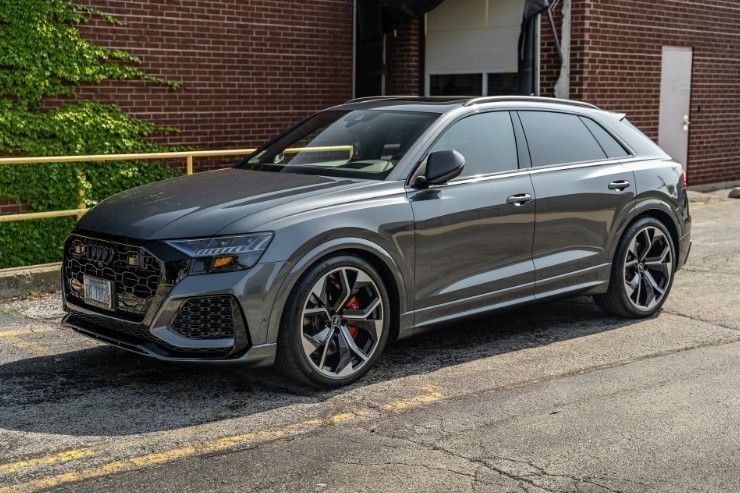
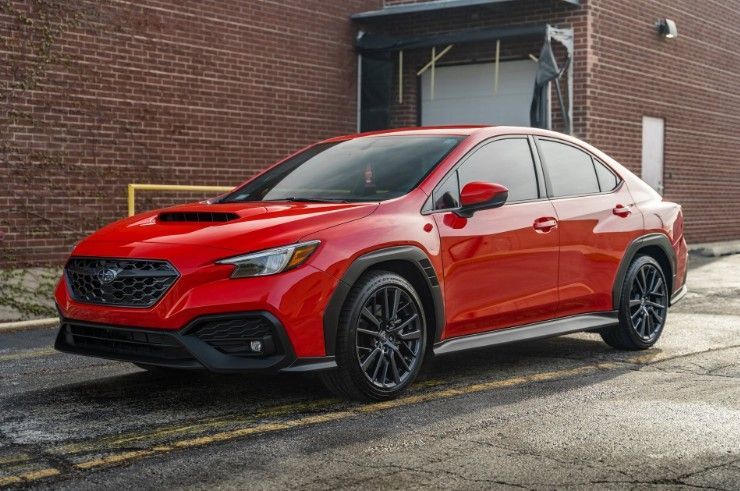
5. D’Andrea Auto Detailing Paint Protection Film Packages
Premium Coverage Protection
Premium Coverage Protection is D’Andrea Auto Detailing’s most comprehensive and popular paint protection film package. It covers the front bumper, full hood, mirrors, full front fenders, rocker panels, and A-pillars. This expanded coverage is well suited for drivers who want protection beyond the front end, especially in areas commonly exposed to road debris, gravel, insects, and everyday driving wear. By protecting both high-impact front panels and lower side areas, this package helps preserve more of the vehicle’s original paint.
Full Front Protection
The Full Front Protection package covers the front bumper, full hood, mirrors, and full front fenders. It provides complete coverage across the vehicle’s most exposed front-facing panels, making it a strong option for frequent commuters, highway drivers, and owners who want to avoid the visible film lines associated with partial coverage. Because the entire hood and front fenders are protected, the vehicle maintains a cleaner and more consistent appearance.
Partial Front Protection
Partial Front Protection provides essential coverage for the front bumper, partial hood, mirror caps, and partial front fenders. This package is designed for drivers who want targeted protection for the areas most likely to encounter minor road debris while working within a lower budget. Although it leaves more of the hood and fenders exposed than full front coverage, it can still provide valuable protection for everyday driving.
Pricing Note: Premium Coverage Protection currently starts at $2,995, Full Front Protection starts at $2,395, and Partial Front Protection starts at $1,450. These starting prices are provided for general informational purposes and may change over time. Final pricing depends on the vehicle’s size, design, paint condition, preparation requirements, and selected coverage. For an exact quote, contact D’Andrea Auto Detailing directly.
6. How D’Andrea Auto Detailing Helps Protect Your Vehicle
At D’Andrea Auto Detailing, we help vehicle owners protect the areas most exposed to everyday road hazards through professionally installed paint protection film. Our team evaluates the vehicle’s design, paint condition, driving habits, and coverage goals before recommending a suitable package. This personalized approach helps drivers choose between partial front, full front, and premium coverage without paying for protection they may not need. By focusing on the panels most likely to encounter rock chips, road debris, insects, and surface wear, we help preserve the vehicle’s original finish while maintaining its natural appearance.
Proper preparation and careful installation are essential to the performance and appearance of paint protection film. Before applying PPF, we inspect and prepare the painted surfaces to help create a clean, smooth foundation. The film is then carefully fitted around body lines, mirrors, fenders, bumpers, and other detailed areas to provide consistent coverage. Whether the vehicle requires protection for the front bumper and partial hood or more extensive coverage that includes the full hood, front fenders, rocker panels, and A-pillars, our goal is to deliver a clean installation that blends naturally with the vehicle.
We also help customers understand what paint protection film can realistically provide over time. PPF can reduce damage from many common driving hazards, but it does not make a vehicle completely resistant to severe impacts, marks, or collisions. Our team explains coverage options, maintenance needs, and aftercare recommendations so owners can make informed decisions and properly care for the film after installation. For drivers in Carol Stream, IL, D’Andrea Auto Detailing provides practical guidance and customized protection options designed to support long-term paint preservation and easier vehicle maintenance.
Conclusion
Full front paint protection film offers practical, long-term value by protecting the panels most exposed to road debris, rock chips, insects, and everyday driving wear. Compared with partial coverage, it provides more complete protection for the front bumper, full hood, mirrors, and front fenders while helping preserve the vehicle’s original paint and overall appearance. For drivers who regularly commute, travel on highways, or want to maintain a newer or high-value vehicle, full front PPF can be a worthwhile preventive investment.
D’Andrea Auto Detailing offers partial front, full front, and premium
paint protection film packages for vehicle owners in Carol Stream, IL. Because pricing can vary based on the vehicle’s size, design, paint condition, and selected coverage, contact our team directly for current package details and an accurate quote. Call or request a free quote to learn which paint protection option is best suited to your vehicle.
