
10 Signs Your Car Needs Paint Protection Film Now: A Buying Guide
July 27, 2026
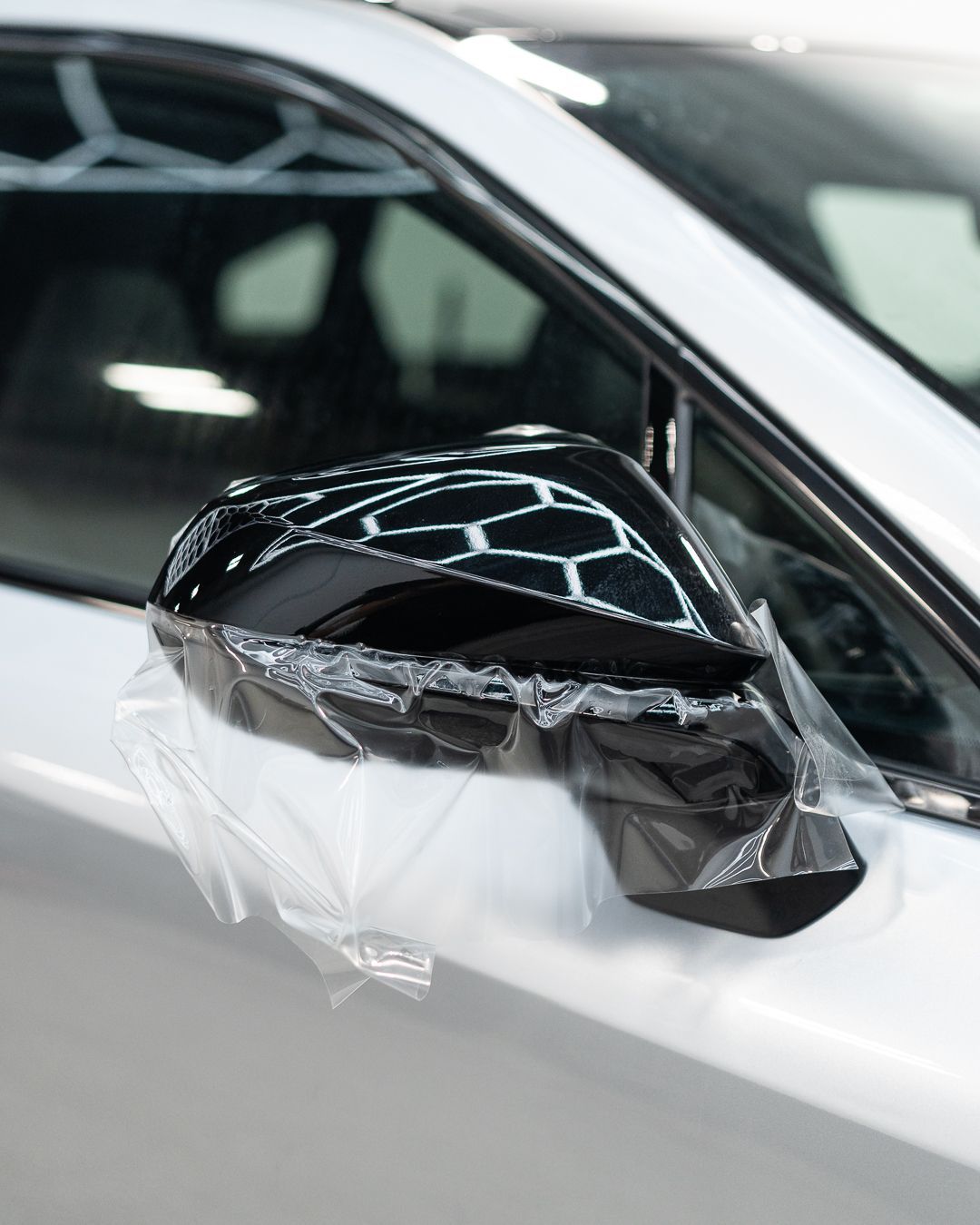
The clearest signs your car needs paint protection film include frequent highway driving, new rock chips, exposed front-end paint, recent paint correction, outdoor parking, and plans to keep the vehicle for several years. Paint protection film, also called PPF or a clear bra, creates a transparent barrier over vulnerable painted panels. It helps reduce damage from road debris, minor impacts, bug residue, and other everyday hazards. Timing matters because PPF works best as a preventive solution. It can protect clean or recently corrected paint, but it cannot reverse damage that has already reached the finish. Waiting until the bumper and hood contain many chips may increase the preparation or repair work needed before installation.
At D’Andrea Auto Detailing, we help drivers in Carol Stream, IL, choose protection based on their vehicle, driving habits, paint condition, and ownership goals. We offer partial front, full front, and premium PPF coverage for daily drivers, Teslas, luxury vehicles, sports cars, trucks, and SUVs. This guide explains when PPF may be worth buying and how to select the right amount of coverage.
Why the Timing of PPF Installation Matters
PPF provides the greatest preventive value when installers apply it before substantial damage develops. A new vehicle, a recently corrected finish, or a well-maintained daily driver gives the film a cleaner surface to protect. In contrast, installing film over neglected paint does not make chips disappear. Transparent film can make some existing defects remain visible. Therefore, an installer may recommend touch-up work, paint correction, or another preparation step before applying the film.
Acting early can also reduce the need to repeatedly correct the same high-impact panels. Instead of waiting for the front bumper and hood to collect visible damage, you can protect those areas while they still look clean.
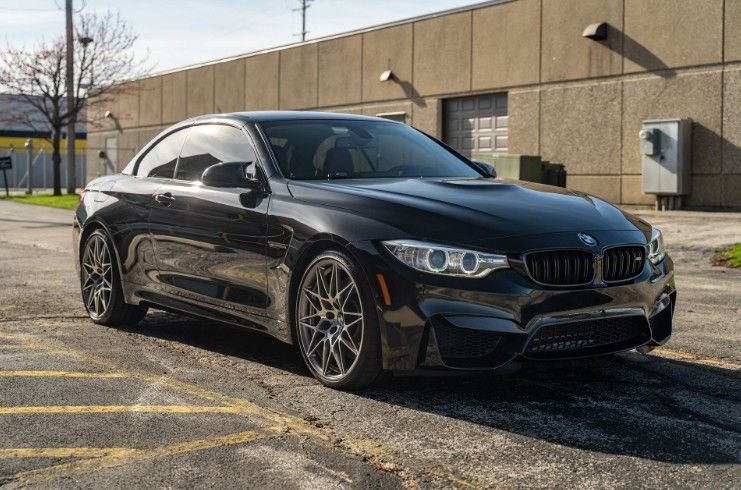
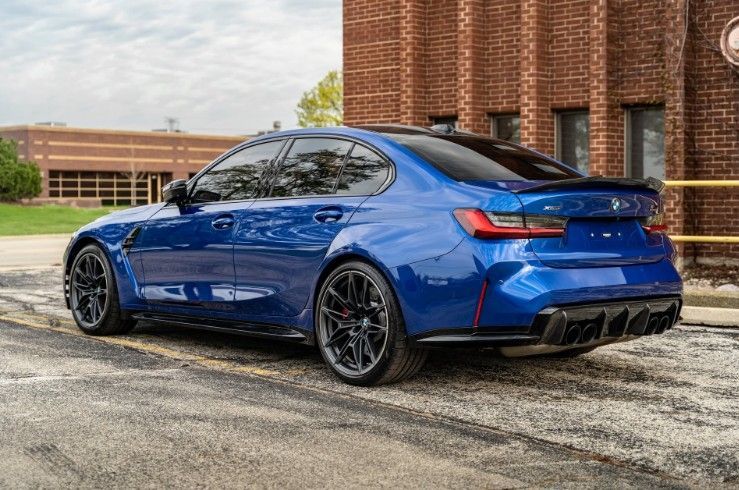
A Quick PPF Readiness Checklist
Your vehicle may be a strong candidate for PPF when:
- The paint is new, clean, or recently corrected.
- You frequently drive on highways or through construction zones.
- Small chips have started appearing on the front end.
- You own a low-profile vehicle with an exposed bumper.
- You park outdoors for long periods.
- You plan to keep the vehicle for several years.
- You care about preserving the original factory finish.
- You want protection that is more impact-focused than a coating.
The more of these conditions that apply, the more useful paint protection film may become.
1. 10 Signs It Is Time to Install Paint Protection Film on Your Vehicle
1.1. Your Vehicle Is New or Recently Purchased
A new vehicle is one of the strongest candidates for immediate PPF installation. The paint has had less time to collect chips, road wear, stains, and wash-related marks. As a result, the installer can protect the finish before regular driving begins to change its condition. Many buyers assume they should wait until the vehicle starts showing wear. However, that approach reduces the preventive value of PPF. Once a stone removes paint from the hood or bumper, film cannot restore the missing material.
Early installation can be especially valuable on a new sports car, luxury vehicle, Tesla, truck, or SUV. These vehicles may have wide bumpers, sculpted fenders, large painted surfaces, or low front ends that receive frequent road exposure. You do not need to install film over the entire vehicle. A partial front or full front package may protect the areas most likely to receive damage while keeping the project within your budget.
1.2. Rock Chips Are Starting to Appear
One or two small chips may not seem urgent. However, early damage often shows where future wear will continue to develop. If the first chips appear on the front bumper, leading edge of the hood, or front fenders, those panels are already receiving repeated impacts. The damage may become more visible on dark, bright, metallic, or specialty-colored paint. A light-colored chip can stand out sharply against black, blue, red, or green finishes.
PPF cannot hide existing chips. Therefore, the installer must inspect the affected areas before installation. Minor defects may need touch-up work, while more noticeable damage may require professional repair. The important point is not to wait until the front end becomes heavily chipped. Early damage acts as a warning that the vehicle’s normal route, speed, body shape, or driving environment places the paint at risk.
Areas to Inspect for Early Damage
Check these parts of the vehicle under clean, bright lighting:
- The center and lower areas of the front bumper
- The leading edge of the hood
- The front fenders near the wheel openings
- The mirror caps
- The lower rocker panels
- The A-pillars beside the windshield
- Painted areas behind the wheels
- The edges of low front splitters
Look from several angles because small chips can disappear under reflections. Running a clean hand gently over the surface may also help you notice rough areas, although you should never use pressure on dirty paint.
1.3. You Drive on Highways or Busy Roads Regularly
Frequent highway driving increases the amount and speed of debris that can reach the vehicle. Cars and trucks ahead may throw small stones, sand, pieces of pavement, or other material toward your front end. Higher driving speeds also increase impact energy. A small stone that causes little concern in a parking lot can leave a visible chip when it reaches the hood or bumper at highway speed.
Drivers who commute between Carol Stream and surrounding communities may spend significant time on expressways, busy suburban roads, or construction routes. Even when you maintain a safe following distance, debris can come from nearby lanes or passing vehicles. PPF cannot stop every severe strike. However, it adds a protective layer over the painted surfaces that face the road. Full front coverage may be more practical than partial coverage for frequent highway drivers because debris does not always stay near the first few inches of the hood.
1.4. Your Daily Route Includes Construction Zones
Construction zones create unpredictable road conditions. Loose gravel, rough pavement, sand, concrete dust, and other materials may collect near active work areas. In addition, vehicles entering and leaving the site can carry debris onto nearby roads. You may drive carefully and still encounter material thrown by other traffic. Changing lanes does not always solve the problem because debris can spread across several parts of the road.
If your daily commute includes ongoing roadwork, protecting the bumper, hood, mirrors, and fenders may reduce the amount of direct exposure the paint receives. Rocker-panel coverage may also help when loose material reaches the lower sides of the vehicle. Construction conditions can change quickly. Therefore, drivers who once used a clean route may begin noticing chips after a new project starts. That sudden increase in wear is one of the practical signs your car needs paint protection film.
1.5. You Own a Low, Wide, or Performance-Oriented Vehicle
Vehicle design influences where debris strikes. Sports cars, performance sedans, Teslas, and other aerodynamic vehicles often have low front bumpers and wide painted surfaces. These design features can create a larger target for road hazards. Large bumper openings, sharp body lines, sculpted fenders, and painted splitters may also make film installation more complex. However, those same details can make damage more noticeable when chips interrupt the finish. A high-performance vehicle does not need to visit a racetrack to benefit from PPF. Daily road use can still expose its front end to sand, stones, insects, and winter residue.
Owners often choose full front or premium protection for these vehicles because complete panel coverage creates a more consistent result. Full hood and full fender coverage also avoids leaving exposed sections above a partial film line.
1.6. You Recently Had Paint Correction or Enhancement Work
Paint correction can reduce visible swirls, oxidation, and certain surface defects. It can restore clarity and improve reflections. Once the finish looks better, the next question becomes how to preserve that improvement. Installing PPF after suitable preparation can help protect corrected high-impact areas from new road damage. However, the installer must assess the finish first. PPF should not go over remaining contamination, polishing residue, or unresolved paint problems. D’Andrea Auto Detailing recommends considering paint enhancement before PPF when the surface contains light defects or contamination. The goal is to avoid sealing visible problems under the clear film.
Before Installing PPF on Corrected Paint
A professional should confirm that:
- The correction work is complete.
- Polishing residue has been removed.
- The paint is free from bonded contamination.
- Touch-up paint or refinishing has cured properly.
- No wax or incompatible product remains on the panel.
- The surface is clean enough for accurate film installation.
Do not assume that a recently polished vehicle is automatically ready. Final preparation still affects film clarity, adhesion, and appearance.
1.7. You Plan to Keep the Vehicle for Several Years
PPF often provides more value to owners who plan to keep their vehicles long enough to experience repeated road exposure. A daily commute may seem harmless during one week, but several years of driving can produce many small chips and marks. Long-term ownership also means more seasonal changes. In Carol Stream, vehicles may face summer insects, spring road work, autumn debris, winter grime, and repeated freeze-and-thaw conditions.
Protecting the front end early can help the vehicle maintain a cleaner appearance through those cycles. Although PPF cannot guarantee a future resale value, preserving original paint may improve how the vehicle looks to future buyers. The film itself also requires care and may eventually need replacement. Still, replacing a worn film section can be preferable to repeatedly correcting or refinishing the original painted panel.
1.8. You Park Outside or Drive in Harsh Conditions
Outdoor parking exposes a vehicle to more than road impacts. Bug residue, bird droppings, tree sap, dust, and airborne contamination can collect on the paint. While PPF does not remove the need for washing, it creates a barrier over the covered surfaces.
Winter driving adds another layer of exposure. Road grime, sand, salt residue, and dirty slush may reach the lower bumper, fenders, rocker panels, and areas behind the wheels. A premium package that includes rocker panels and A-pillars may be useful for drivers who want coverage beyond the front bumper and hood. These additional areas may receive contact from road debris, shoe scuffs, or material thrown by the tires. However, PPF only protects the surfaces it covers. It does not protect the undercarriage, brakes, suspension, or exposed mechanical parts. Regular washing and seasonal maintenance remain important.
1.9. You Are Tired of Repeated Touch-Ups and Paint Repairs
Touch-up paint can make a chip less noticeable, but it rarely recreates a perfect factory finish. Multiple touch-up spots may also become visible under strong light or close inspection. When damage spreads across the hood and bumper, owners may consider more extensive correction or refinishing. Those services can cost time and money, especially when the goal is to match an unusual or metallic color. PPF changes the approach from repeated correction to prevention. The film receives much of the routine exposure instead of leaving the paint completely uncovered.
This does not mean that PPF eliminates all future repairs. Severe impacts can cut through the film or damage the panel beneath it. Still, owners who regularly address front-end chips may find preventive coverage more practical than continuing the same repair cycle.
Signs That Touch-Ups Are No Longer Enough
Consider a PPF consultation when:
- New chips appear soon after previous touch-ups.
- Damage affects several front-end panels.
- The touch-up color does not blend well.
- You feel anxious while driving behind other vehicles.
- Repeated corrections are becoming inconvenient.
- You recently repaired the paint and want to protect it.
- The vehicle’s finish plays an important role in its appearance or value.
An installer can explain whether the existing damage needs attention before film application.
1.10. You Want Protection That Ceramic Coating Alone Cannot Provide
Ceramic coating and PPF protect vehicles in different ways. A coating can add gloss, water behavior, contamination resistance, and easier maintenance. However, it does not provide the same physical barrier against stone impacts that PPF provides.
PPF adds a thicker, flexible layer over vulnerable panels. Therefore, it is the more relevant option when the main concern involves rock chips and road debris.
The two services can also work together. D’Andrea Auto Detailing explains that customers may apply PPF to high-impact areas and use ceramic coating to add gloss and easier maintenance across protected and unprotected surfaces.
This combination may suit owners who want impact-focused protection on the front end and contamination resistance across more of the vehicle.
2. Paint Protection Film vs. Ceramic Coating
Choosing between PPF and ceramic coating becomes easier when you define the problem you want to solve.
Paint protection film may be the better starting point when you want:
- A physical barrier against common road debris
- Protection for high-impact painted panels
- Reduced risk of minor front-end chips
- A self-healing surface for light marks in the film
- Replaceable coverage over vulnerable areas
Ceramic coating may be more relevant when you want:
- Increased gloss and surface depth
- Easier routine washing
- Strong water-beading behavior
- Resistance to environmental contamination
- Broader coverage across painted surfaces
Neither option makes a vehicle indestructible. In addition, neither eliminates washing or responsible maintenance. The services simply address different forms of exposure.
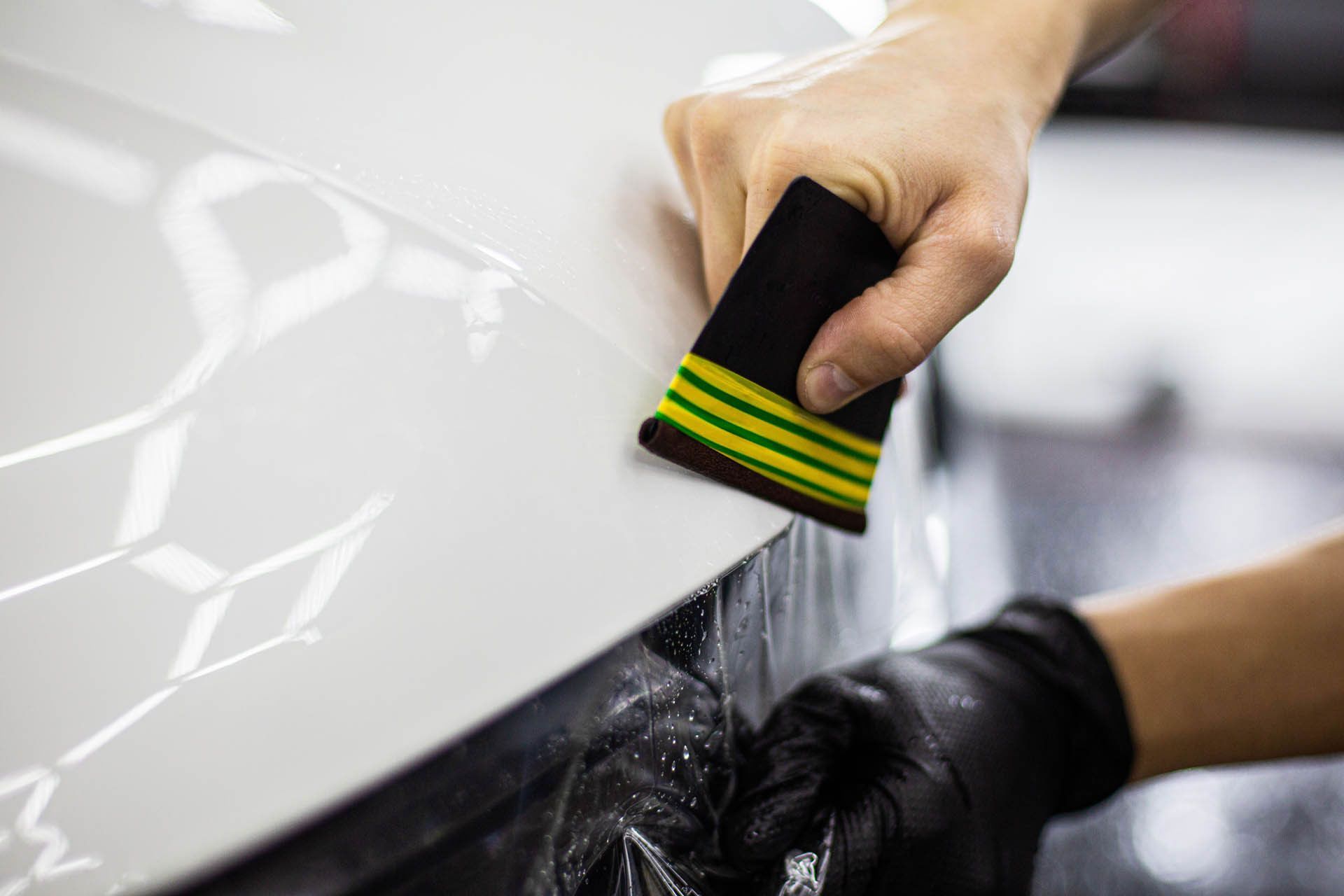
3. How to Decide Which PPF Coverage Package You Need
The right package depends on where your vehicle receives damage, how often you drive, and how much original paint you want to protect. Start by identifying your highest-risk panels.
Step 1: Review Your Driving Habits
Frequent highway, construction-zone, and long-distance driving may justify broader coverage. Local, low-mileage driving may make a partial package more suitable.
Step 2: Inspect Existing Damage
Look for chips on the bumper, hood, fenders, mirrors, rocker panels, and A-pillars. The damage pattern can show which areas receive the most exposure.
Step 3: Consider the Vehicle’s Shape
A low sports car, wide SUV, Tesla, or truck may need different coverage. Large painted surfaces and complex bumpers can affect both risk and installation requirements.
Step 4: Define Your Ownership Goals
A long-term owner may value broader protection. A leased vehicle or short-term vehicle may need more targeted coverage, depending on expected use.
Step 5: Compare Complete Packages
Do not compare packages only by price. Review which panels each option covers and whether it protects full or partial sections of the hood and fenders.
4. D’Andrea Auto Detailing PPF Package Options
D’Andrea Auto Detailing currently offers three primary coverage levels. Each package addresses a different balance of protection, appearance, and budget.
Partial Front Protection
Partial Front Protection covers:
- Front bumper
- Partial hood
- Mirror caps
- Partial front fenders
This package focuses on the leading sections that commonly receive debris. It may work well for drivers who want basic front-end protection at a lower starting cost.
However, the upper hood and fender sections remain exposed. The installation also creates an edge across the partial panels, which may become visible depending on lighting, cleanliness, paint color, and viewing angle.
Full Front Protection
Full Front Protection covers:
- Front bumper
- Full hood
- Mirrors
- Full front fenders
This package protects complete front-end panels. It removes the exposed upper sections left by partial coverage and avoids a film line across the hood and fenders.
Full front coverage may suit frequent highway drivers, new-vehicle owners, and drivers who want a cleaner edge-to-edge appearance.
Premium Coverage Protection
Premium Coverage Protection covers:
- Front bumper
- Full hood
- Mirrors
- Full front fenders
- Rocker panels
- A-pillars
This is D’Andrea Auto Detailing’s broadest listed package and its most popular PPF option. The added rocker-panel and A-pillar coverage may benefit vehicles that face frequent road debris or lower-body exposure.
At the time of writing, listed packages start at $1,450 for Partial Front Protection, $2,395 for Full Front Protection, and $2,995 for Premium Coverage Protection. Prices may change over time and can vary according to the vehicle’s size, design, paint condition, preparation needs, and selected coverage. Contact D’Andrea Auto Detailing directly for an exact quote.
5. When Should You Install PPF?
The best time to install PPF is soon after purchasing a new vehicle or completing suitable paint preparation. Acting early allows the film to protect the finish before repeated road exposure creates visible damage. You can also install PPF on an older vehicle. However, the paint may require more preparation. Existing chips, deep marks, failing clear coat, repainting, or contamination can affect whether the surface is ready.
Recently repainted panels require special attention. Paint must cure according to the refinisher’s guidance before film installation. Applying film too soon may create problems during installation or future removal. Schedule a professional inspection rather than guessing. An installer can evaluate the paint and explain which issues should be corrected first.
6. How to Care for Paint Protection Film
PPF can simplify some aspects of exterior care, but it still needs safe washing and maintenance. Poor washing practices can shorten the film’s useful life or affect its appearance. Use a gentle automotive shampoo, clean wash media, and soft microfiber towels. Remove insects, bird droppings, tree sap, and road residue promptly. Avoid scraping contamination with sharp tools. Keep high-pressure water away from film edges. Spraying too closely at an angle may place unnecessary force on seams and corners. In addition, avoid harsh chemicals unless the installer confirms that they are compatible with the film.
Inspect the film periodically. Contact the installer when you notice lifting, cuts, severe staining, unusual texture, or damage from a major impact.
7. Why Choose D’Andrea Auto Detailing for Paint Protection Film?
D’Andrea Auto Detailing provides professional paint protection film installation for vehicle owners in Carol Stream, IL, who want practical protection and a clean, refined finish. We take the time to understand how you use your vehicle, where you drive, and which areas face the greatest risk from road debris, rock chips, insects, and everyday wear. Instead of recommending the same package to every customer, we help you compare partial front, full front, and premium coverage so you can choose an option that fits your vehicle, protection goals, and budget. Proper surface preparation plays a major role in the appearance and performance of PPF. Before installation, our team washes and decontaminates the vehicle, then carefully inspects the panels selected for coverage. This process helps identify existing chips, stains, or surface defects that may remain visible beneath the transparent film. By preparing the paint correctly and fitting the film around body lines, mirrors, bumpers, fenders, rocker panels, and A-pillars, we work to create consistent coverage that blends naturally with the vehicle.
We also believe customers should understand both the benefits and limitations of paint protection film before making a decision. PPF can help reduce damage from many common road hazards, but it cannot prevent every dent, collision, or severe impact. Our team explains package coverage, preparation needs, maintenance requirements, and realistic expectations so you can make an informed choice. Whether you drive a daily commuter, Tesla, luxury vehicle, sports car, truck, or SUV, D’Andrea Auto Detailing offers guidance and protection options designed to help preserve your vehicle’s original paint for the long term.
Conclusion
Recognizing the signs your car needs paint protection film allows you to protect vulnerable surfaces before chips, stains, and road wear become more noticeable. PPF is especially valuable for new vehicles, highway commuters, performance cars, recently corrected paint, and vehicles exposed to construction debris or harsh seasonal conditions. By choosing the right coverage early, you can help preserve the original finish, reduce visible front-end wear, and maintain a cleaner appearance over time.
D’Andrea Auto Detailing provides partial front, full front, and premium
paint protection film packages for drivers in Carol Stream, IL. Our team can inspect your vehicle, explain the differences between each coverage option, and recommend a package based on your driving habits, paint condition, vehicle design, and protection goals. Contact D’Andrea Auto Detailing at today to request a personalized quote and protect your vehicle before minor road damage becomes a larger problem.
