
PPF's Role in Preventing Solar Heat Expansion Marks: The Ultimate Vehicle Paint Protection
December 22, 2025
Sunlight does more than just brighten your day; it can quietly damage your car's paint over time in ways you might not notice until it's too late. When your vehicle sits baking under the sun, especially during hot months, the paint expands and contracts repeatedly. This constant cycle can cause tiny cracks known as solar heat expansion marks. Fortunately, paint protection film (PPF) steps in as a clever shield, helping to stop this kind of damage before it starts and keeping your car looking fresh longer.
Understanding Solar Heat Expansion Marks
When a vehicle bakes under intense sunlight, its surface temperature can skyrocket, especially on dark-colored cars that absorb more heat. This rapid heating causes the layers of paint and the materials beneath to expand. However, as the sun sets or the car moves to shade, these same surfaces cool down quickly, contracting back to their original size. This constant expansion and contraction cycle happens day after day, summer after summer. Imagine bending a paperclip back and forth repeatedly; eventually, it weakens and breaks. Similarly, these thermal stresses put strain on the paint's chemical bonds and the clear coat's protective layer. The microscopic cracks that form are known as thermal expansion cracks or solar heat expansion marks. Initially imperceptible to the unaided eye, these microscopic cracks gradually coalesce into intricate patterns, causing visible fading and harm to the paintwork. The damage accelerates in regions with harsh sun exposure, where surface temperatures often reach between 140°F and 180°F, combined with daily UV radiation that breaks down paint polymers. This degradation occurs not just superficially but deep within the paint layers.
Beyond mere appearance issues, these tiny fractures create entry points for moisture, dirt, and pollutants. Once these contaminants permeate beneath the clear coat, oxidation starts taking hold rapidly. Oxidation dulls colors and chalks surfaces while weakening adhesion between paint layers. Left unchecked, this phenomenon leads to peeling clear coats and permanent discoloration: a costly fix many owners dread. The problem is especially severe on horizontal surfaces like roofs and hoods that bear the brunt of sunshine without interruption. A black or navy blue hood can reach scorching temperatures above 180°F in direct light conditions, ripe for thermal expansion cracks to form at increased rates.
How PPF Protects Vehicle Paint
Paint protection film is much more than a simple clear layer on your car's surface; it's a scientifically engineered shield designed to defend your vehicle from the relentless assault of sun and heat. At its core, PPF blocks nearly 100% of ultraviolet radiation, which is a primary culprit behind paint fading and degradation. Since UV rays break down paint's chemical bonds over time, this near-complete blocking by PPF acts like invisible armor that preserves the vibrant colors and integrity of your finish. One of the standout benefits of PPF in extreme heat conditions is its ability to reduce surface temperature. When parked under direct sunlight, the film can cut surface temperatures by 20 to 30°F. This temperature drop significantly eases the thermal expansion cycle that normally fatigues paint layers daily during hot afternoons. By lowering surface heat, the film slows down oxidation, preventing cracks and peeling that typically appear after repeated expansion and contraction in unshielded paint.
The magic lies in the film's elasticity. Unlike rigid coatings that crack under stress, PPF stretches and shrinks along with your car's panels. It absorbs the mechanical tensions caused by heating without transferring them harshly to the underlying paint. This dynamic flexibility means microscopic cracks are far less likely to develop beneath a quality film. Premium films have taken protection even further by incorporating self-healing technologies. Minor scratches and swirl marks vanish upon gentle heating, whether by sunlight or warm water application. This ability keeps your vehicle looking smooth and pristine without frequent detailing, preserving both aesthetics and resale value effortlessly. To maximize these benefits, focus on installing PPF on parts of your vehicle most exposed to intense sunlight: the hood, roof, and trunk are prime candidates. These are the areas where thermal stress peaks and where clear coat failure typically starts. Applying PPF here not only prevents solar heat expansion marks but also shields against rock chips and environmental contaminants all year round.
Additional Benefits Beyond Heat Protection
Beyond shielding your vehicle from solar heat expansion marks, PPF acts as a robust guardian for your paint's original finish. Your car's surface constantly fights against environmental hazards like rock chips flung up by passing cars, accidental scratches, and insect splatters. PPF steps in as a resilient barrier that absorbs much of that daily wear and tear before it reaches your paint. This protection preserves not just appearances but also the integrity of the paint layers underneath, dramatically extending how long your car looks fresh and flawless. One remarkable aspect is its hydrophobic properties, which means water and dirt simply slide off the coated surface more easily than untreated paint. This effect isn't just convenient for keeping your vehicle cleaner with less effort; it also lessens abrasive grime buildup that can degrade clear coat over time. In practice, this translates to fewer washes needed and a significantly lower chance of swirl marks caused by dirt rubbing.
Another vital benefit comes from PPF's resistance to harsh chemicals and natural contaminants. Bird droppings, tree sap, and road salt might seem like minor nuisances, but left unchecked, they can seriously harm paint with corrosive acids or staining compounds. The protective barrier PPF creates prevents these substances from bonding directly with your car's finish. In coastal regions where salt air accelerates metal oxidation, PPF becomes indispensable. Salt particles settle quickly on vehicles, eating away at paint durability if not removed promptly. A quality film not only stops salt from contacting your paint but also withstands frequent washing without deteriorating itself. For car owners thinking about resale, this preservation has measurable value. Vehicles protected by PPF often retain more of their market value compared to unprotected counterparts, making it an investment that pays dividends in longevity and financial returns.
Professional Installation Matters
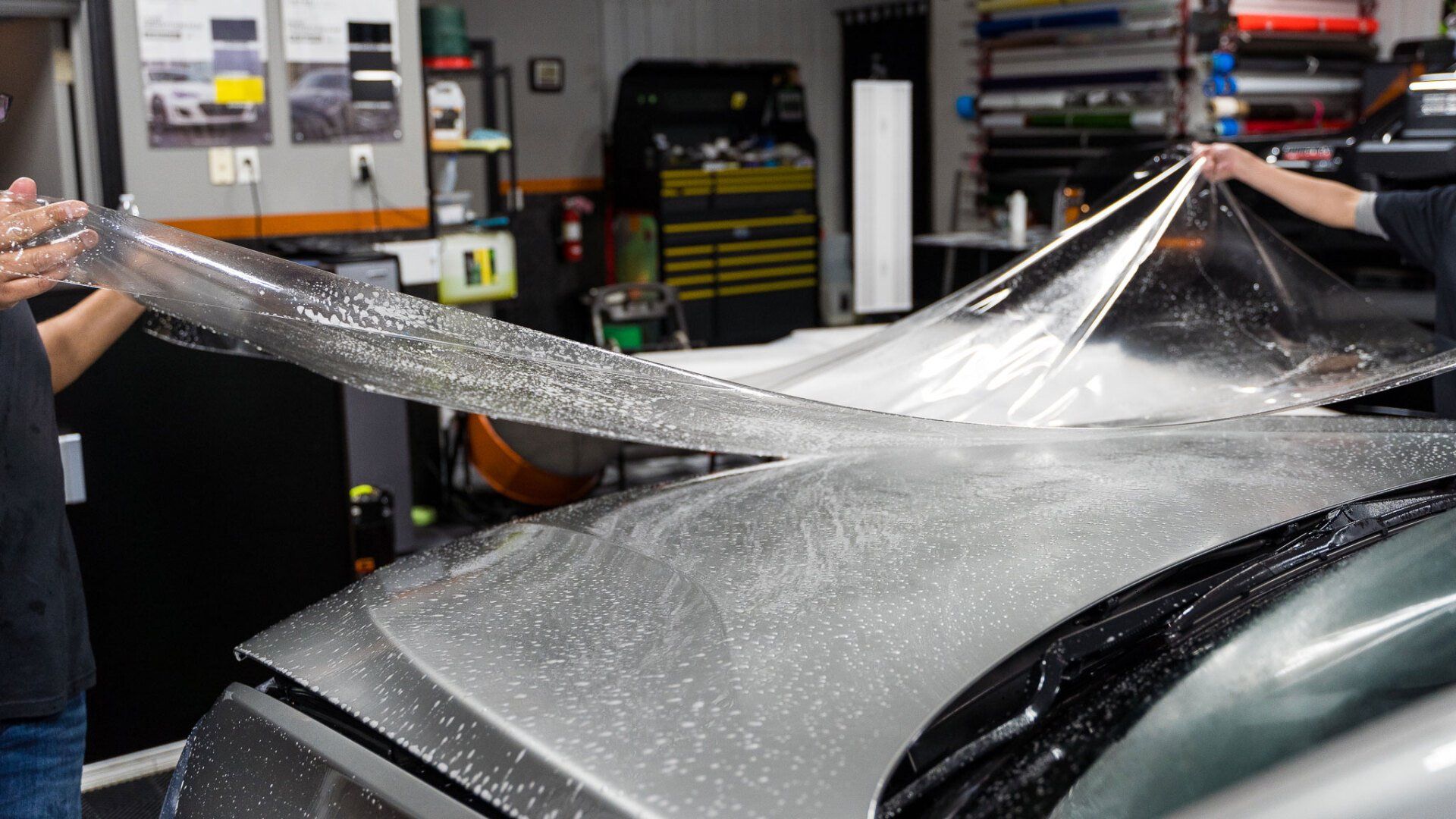
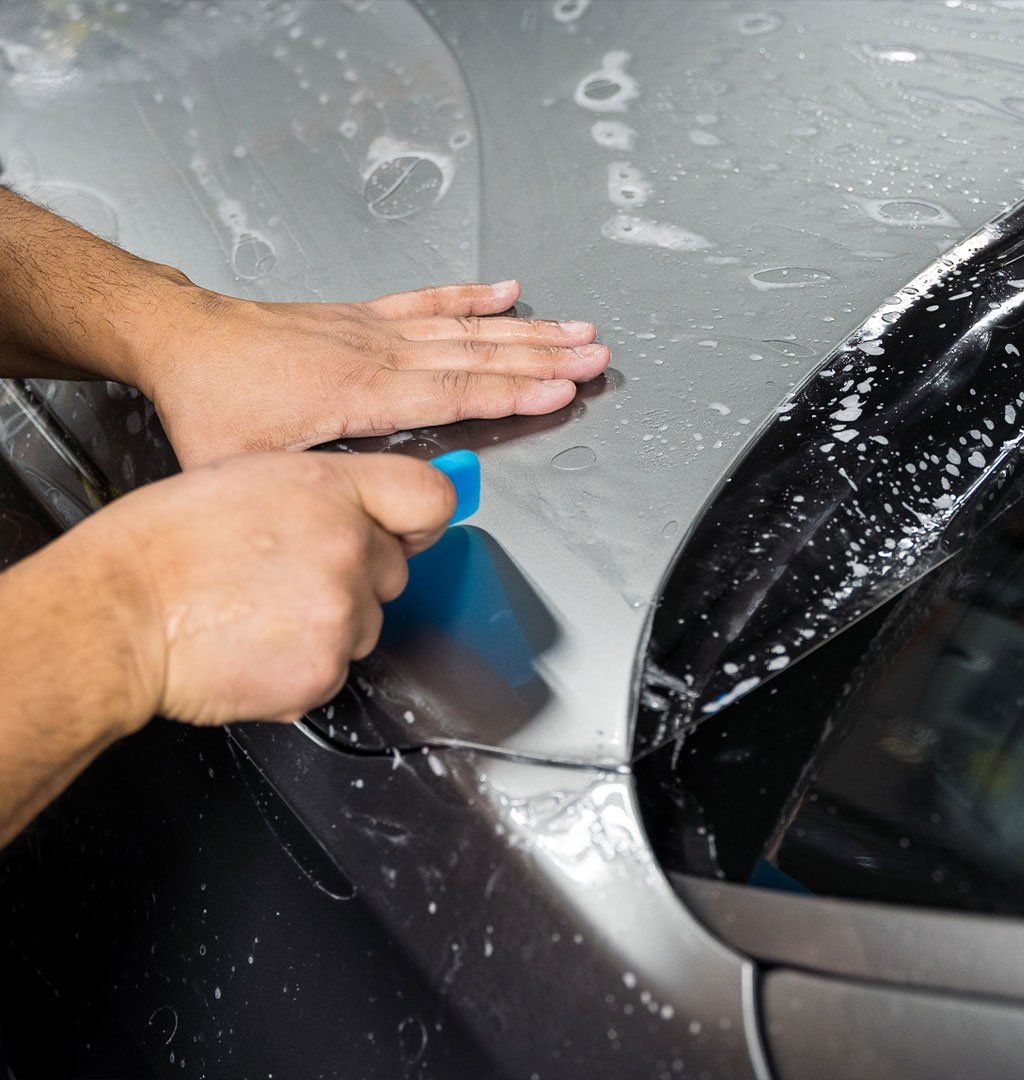
Installing paint protection film demands precise skill, specialized tools, and an environment conducive to flawless application. The process begins with surface preparation, which is absolutely critical. Professionals meticulously wash and sometimes clay-bar the vehicle's paint to remove any dirt, oils, and residues. Even microscopic particles can interfere with the bond, so attention to detail here sets the stage for long-lasting protection. During film application, technicians use pre-cut templates tailored for specific vehicle models or custom-cut sections for complex shapes. Applying it isn't just laying down a sticky sheet; installers repeatedly reposition the film until it fits perfectly around curves, edges, badges, and vents without stretching or wrinkling.
After positioning, the priority shifts to eliminating trapped air or moisture, which is a meticulous process that uses squeegees to ensure years of clarity and durability. Trained professionals use controlled heat guns to warm the film gently, activating the adhesive for a stronger bond. Heat also helps relax minor stresses within the film after stretching during application, reducing shrinkage risks later on. While it's tempting to try cheaper DIY kits or inexperienced installers, the importance of investing in a certified professional cannot be overstated. Poor installations commonly result in bubbling edges, uneven adhesion, or unsightly wrinkles that often require costly rework, sometimes damaging your paint in the process.
Making the Investment
Paint protection film isn't just a theoretical solution; it's actively reshaping how vehicle owners protect their prized assets from daily hazards. Whether you're driving down busy highways where dust kicks up and tiny stones bounce or parking in intense sunlight, PPF provides comprehensive defense. The film shields against everything from rock chips to chemical spills to harsh UV rays, maintaining the finish as though the car just rolled off the showroom floor. For owners in extreme environments where heat can cause paint to expand, crack, or discolor, this advanced film acts as a buffer that absorbs thermal stresses before they damage the paint beneath. The self-healing properties mean that minor scratches often fade away naturally when the vehicle warms up. This mechanism saves time and preserves value by preventing cumulative damage that typically reduces resale appeal. Protecting your vehicle from harsh environmental effects like solar heat expansion marks isn't just about preserving appearance; it's about safeguarding your investment with technology designed for durability and performance. With proper installation and maintenance, PPF ensures your vehicle can confidently face even the most extreme conditions without compromise.
Professional PPF Services in Carol Stream, IL
If prolonged sun exposure and rising surface temperatures are a concern for your vehicle, our
professional paint protection film offers a smart, long-term solution. At D'Andrea Detail | PPF • Ceramic Coating • Window Tint, our expertly installed PPF is designed to help reduce thermal stress on your paint while preserving clarity, color depth, and overall finish. Our precise installation process focuses on high-exposure areas like hoods, roofs, and trunks to help guard against solar heat expansion marks and environmental wear.
Schedule your PPF service today and protect your vehicle’s paint through every season!
