
Ceramic Coating for High-Performance Sports Cars Guide: Application, Durability, and Maintenance Tips
December 15, 2025
When you invest in a high-performance sports car, protecting its flawless paint job becomes just as important as tuning its engine. Ceramic coating has become a go-to solution for enthusiasts looking to keep their ride looking fresh while cutting down on hours spent polishing and washing. But to get the most out of ceramic coatings, you must know how they work, how to apply them, and how to care for them over time. Ceramic coating provides durable paint protection, enhances gloss, and simplifies cleaning for high-performance sports cars by creating a hydrophobic layer that repels water and contaminants. Proper surface preparation is essential for optimal adhesion and durability. When expertly applied, these coatings can last several years but require routine gentle washing with pH-neutral shampoos and periodic maintenance to preserve their protective qualities.
Why Ceramic Coating for Sports Cars?
At its core, ceramic coating acts like invisible armor for your car's paint. These coatings bond at a molecular level, creating a hard, durable shell that defends your vehicle against everyday hazards like chemical stains from road grime or bird droppings and the relentless assault of UV rays. For sports cars often pushed to their limits on fast roads or scenic drives, this protective layer is not just cosmetic; it's practical. High speeds kick up small rocks and debris that could chip standard paint easily, but with a ceramic coating, that risk is significantly reduced. Beyond just acting as a shield, ceramic coatings dramatically increase the surface hardness of your paint. These coatings, which typically have a Mohs rating of 9H, outlast traditional sealants and wax jobs by a wide margin. This longer lifespan means less frequent reapplications and fewer worries about daily wear and tear diminishing your car's look.
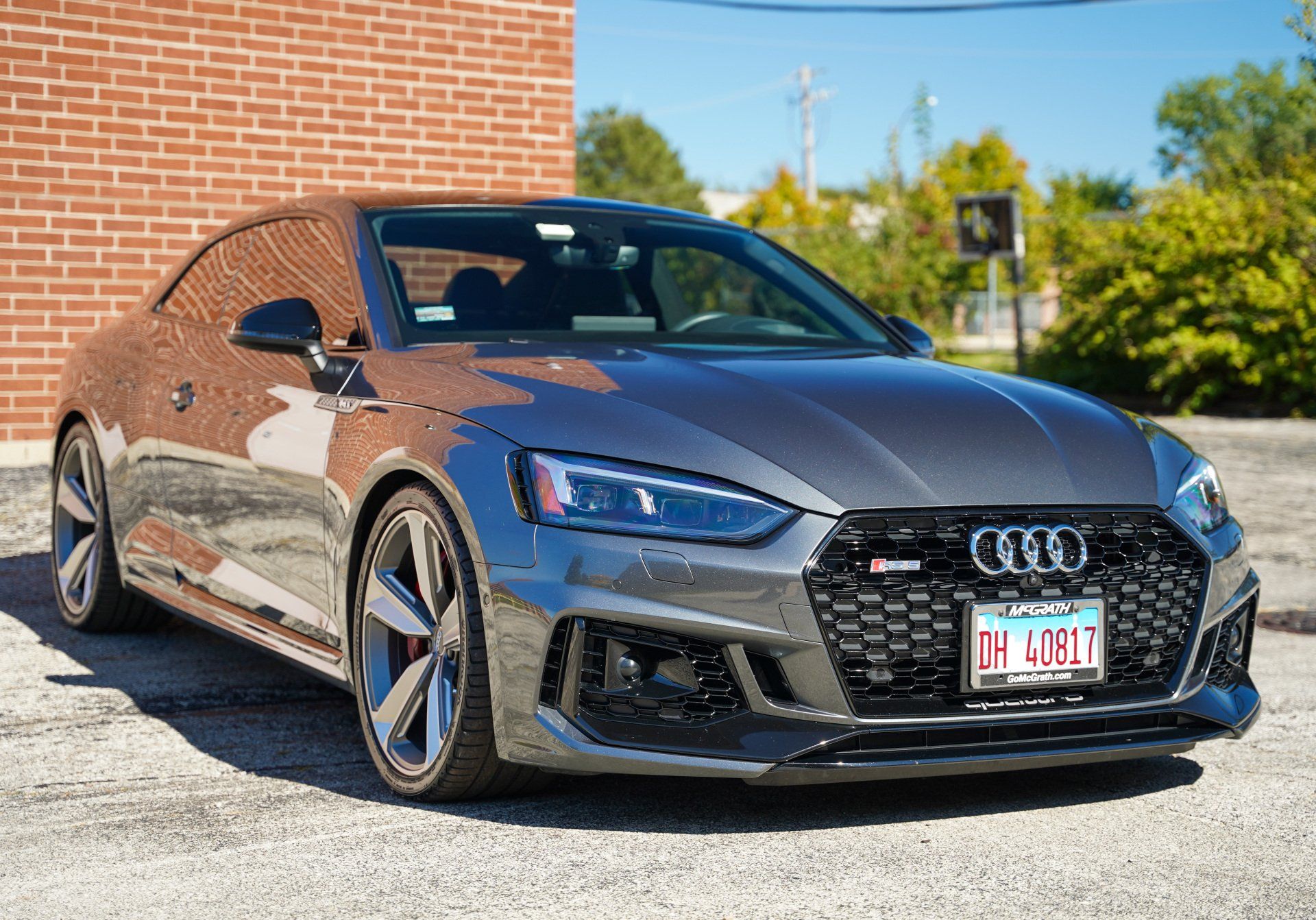
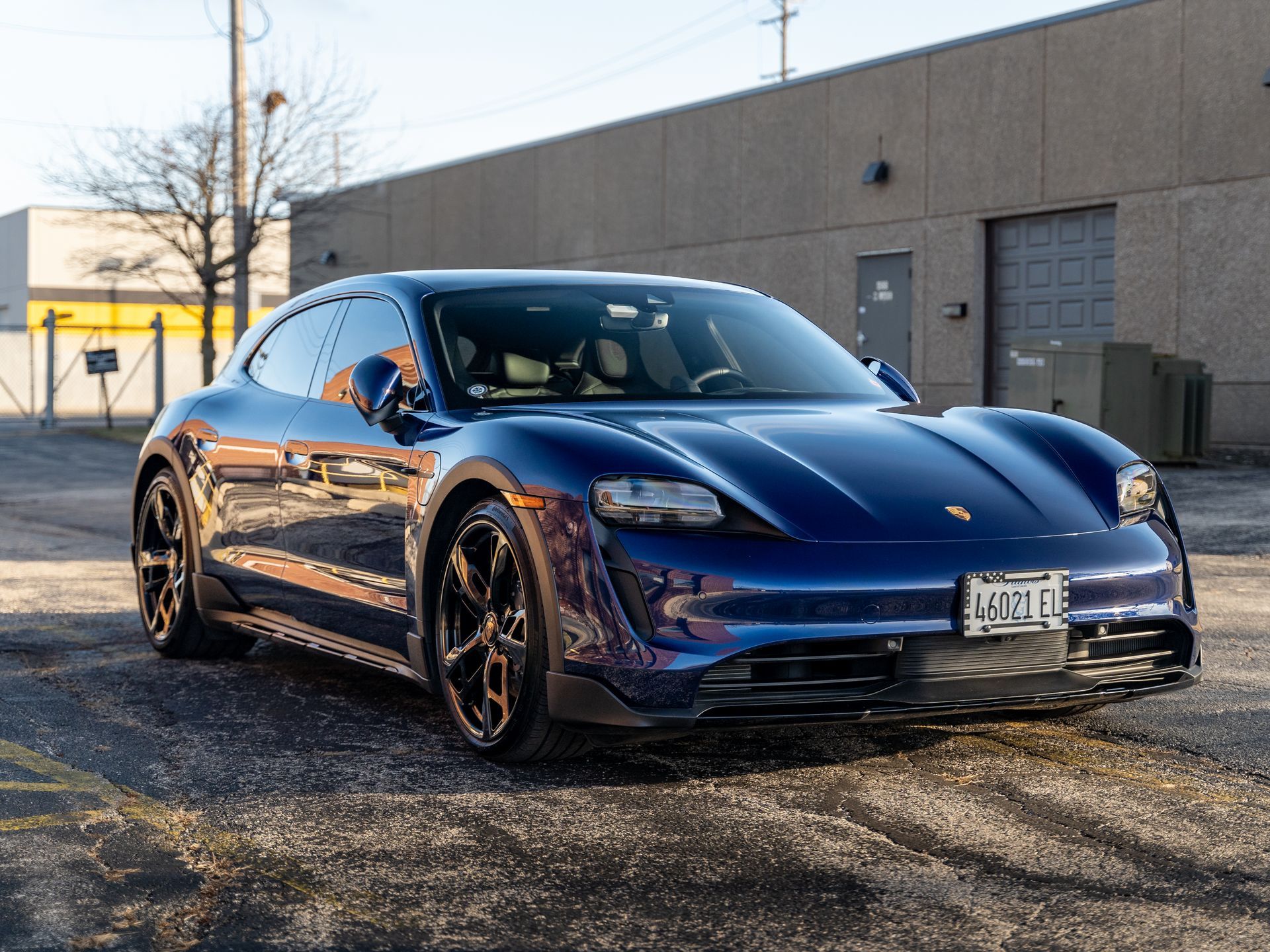
One of the most compelling reasons to choose a ceramic coating is the way it transforms your car's appearance. Unlike waxes that can dull fast or streak when they start to wear off, ceramic coatings create an exceptionally smooth surface that reflects light brilliantly. The result is a deep gloss, often described as a 'wet' look: the kind of shine that turns heads at every stoplight and car meet. Coated vehicles consistently achieve superior gloss readings, far surpassing typical wax finishes. If you want your car to look its absolute best without spending hours polishing every week, ceramic coatings simplify upkeep. The hydrophobic qualities of these coatings cause water and grime to bead up and slide right off. That means washing your ride becomes quicker and more effective. It's important to remember, though: while ceramic coatings are remarkably durable, they aren't invincible. They still require proper surface preparation before application; polishing out imperfections first ensures the coating bonds perfectly, and some maintenance afterward keeps that stunning glossy surface intact. But when applied correctly, these coatings provide a unique blend of beauty and resilience tailored perfectly for demanding sports cars.
Step-by-Step Application Guide
The foundation of a successful ceramic coating lies in meticulous preparation. Start by washing your car thoroughly with a pH-neutral shampoo designed specifically for automotive paint. This step is crucial because any leftover dirt, oils, or residues can interfere with the bonding of the coating to the paint surface. Think of it as preparing a clean canvas before painting; without it, the final result won't last as long or look as flawless. Once washed, drying the car completely is non-negotiable; water droplets or moisture hidden beneath the coating will create imperfections and weaken adhesion. Following a spotless surface, it's time to address the condition of the paint itself. Paint correction often gets overlooked by hobbyists but is vital to ensuring that your ceramic coating doesn't seal in flaws. Using a dual-action polisher equipped with appropriate compounds, you'll gently work through any paint imperfections and oxidation. Without this step, defects become locked beneath the protective layer. In essence, correcting paint defects improves appearance and maximizes the durability of your coating.
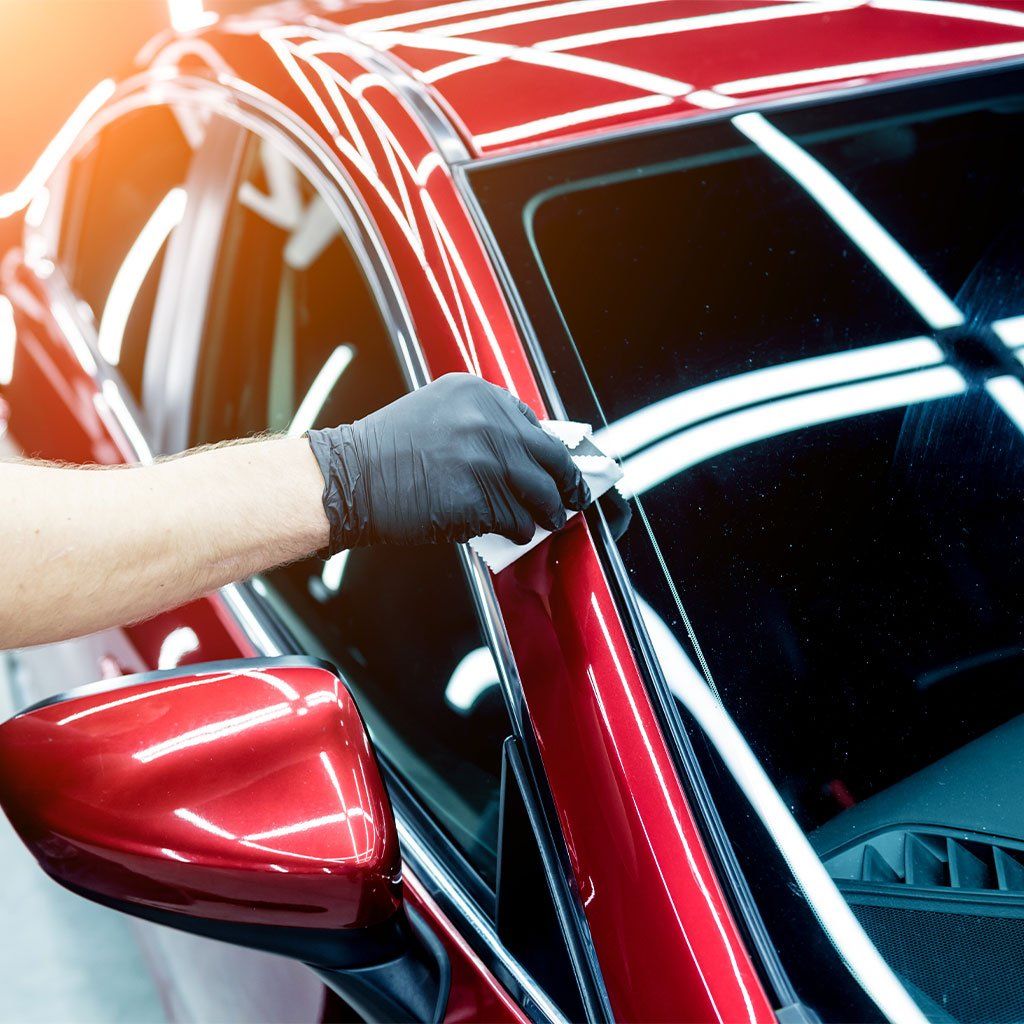
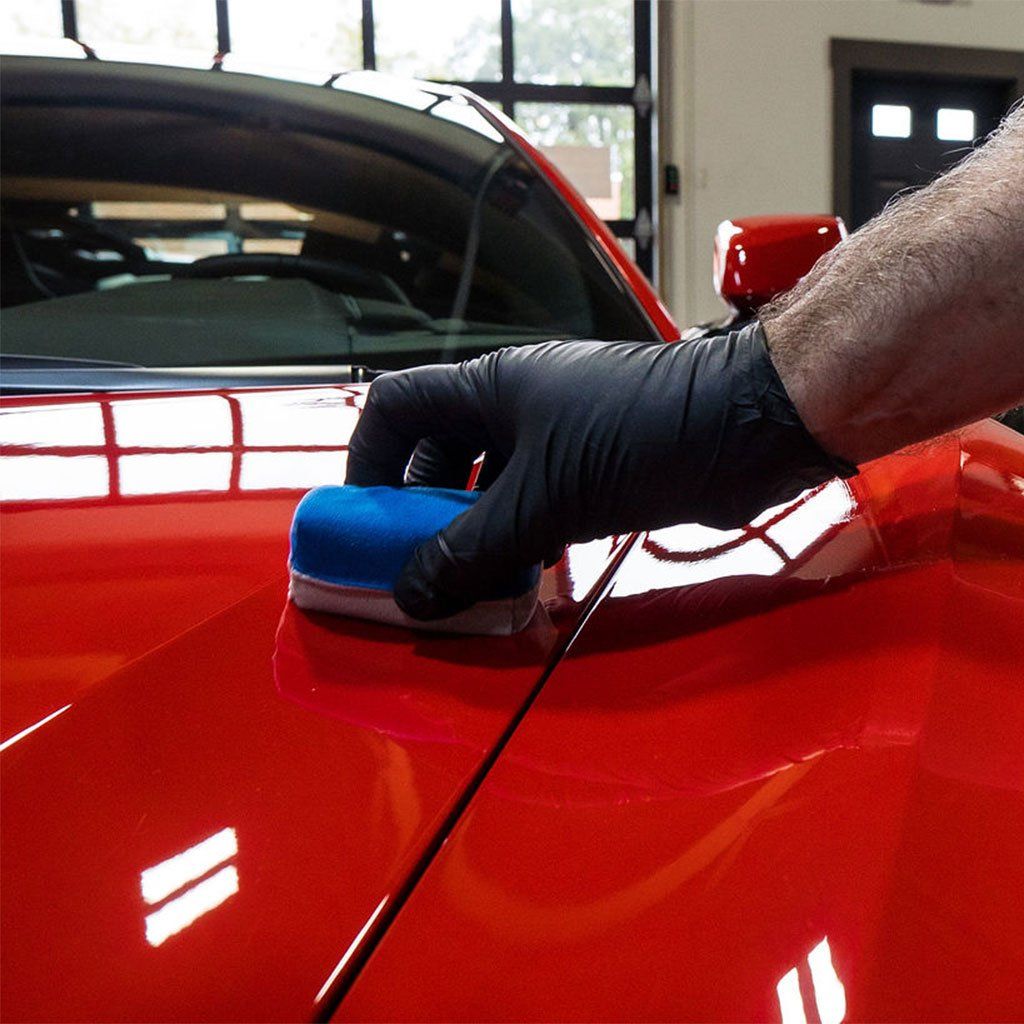
With a perfectly prepared and corrected surface, application becomes the next challenge: one that requires patience and precision. Wearing nitrile gloves to protect your skin from potent chemicals, pour just a few drops of ceramic coating onto a foam applicator pad. Work methodically over small sections approximately half a square meter, applying using a crosshatch pattern: first horizontal strokes, then vertical. This approach helps guarantee even coverage without missing spots or creating thick layers that may cure unevenly. Timing is important here; each product has its own "flash time" during which it begins to bond but remains workable. Follow the manufacturer's instructions closely to determine when to move on.
Once you've covered each panel meticulously, attention must turn toward refining the finish. Leveling the coating is essential to prevent unsightly high spots or streaks from curing on the surface. Using a fresh, lint-free microfiber cloth, gently buff each treated section with light pressure. This step smooths out excess residue that didn't properly bond and ensures an even sheen across panels. After leveling comes arguably the most critical phase: allowing the coating to fully cure. Curing time varies among products but generally spans 24 to 48 hours under stable temperature and humidity conditions while shielding your car from dust, moisture, or other contaminants. Ideally, place the vehicle inside a garage or tented area free from wind and debris. During this period, avoid washing or touching the painted surfaces since premature exposure can disrupt chemical binding. The coating gradually hardens to form its signature durable glass-like shield that enhances gloss and repels water and with proper care, it can last several years.
Comparing Ceramic Coating and Traditional Wax
Ceramic coatings and traditional waxes both serve the purpose of shielding your vehicle's paint, but they operate on fundamentally different levels. The core difference lies in their durability and the type of protection they offer. While wax acts mostly as a surface-level barrier, ceramic coatings bond at a molecular level with your car's clear coat, creating a much tougher shield. Durability is where ceramic coatings truly shine. A quality ceramic coating can last anywhere from two to five years or more, depending on the product and upkeep. Traditional waxes, by contrast, generally need reapplication every six weeks to a few months at best.
Beyond longevity, the level of defense offered also sets ceramic coatings apart. Waxes provide a beautiful gloss and smoothness but struggle to withstand harsh elements like UV rays, bird droppings, acid rain, and road salts. Ceramic coatings create a hydrophobic layer that repels water and contaminants while resisting chemical damage far better. Of course, that improved performance comes with trade-offs. Applying ceramic coatings requires more extensive surface preparation and skill; improper application can cause uneven streaks or spots difficult to correct without professional polishing. There's also a curing period during which the vehicle must be kept dry and protected from environmental contaminants, steps unnecessary with wax application. Weighing the cost-benefit balance depends heavily on your car's value and your personal commitment to upkeep. For expensive sports cars where long-term paint preservation is paramount, ceramic coatings present an undeniably attractive option despite their higher initial complexity and price tag.
Long-Term Durability Insights
Ceramic coatings are built to provide extended protection, but their lifespan varies widely depending on several key factors. High-quality ceramic coatings can last anywhere from two to five years under ideal conditions. This remarkable endurance results from the durable chemical bonds they form with your car's paint surface, specifically through silica molecules that create a tough, hydrophobic shell. However, environmental exposure, application quality, and maintenance practices all heavily influence actual longevity. If your sports car spends most days parked under harsh sun or near salty coastal air, the ultraviolet rays and salt corrosion accelerate degradation of the coating's molecular layer. This phenomenon makes parking habits and location critical influencers; a garage-kept vehicle or one covered when parked will enjoy significantly prolonged coating life compared to a vehicle constantly exposed outdoors.
Installation plays a deciding role in durability. The surface must be meticulously prepped for the coating to bond optimally. Professional-grade applications also control factors like humidity and temperature to allow perfect curing. Maintenance routines matter equally in protecting this investment. Washing with pH-neutral shampoos designed for ceramic coatings helps maintain their hydrophobic properties without stripping them away. Automatic car washes with harsh detergents can degrade the coating prematurely. Instead, hand washing with dedicated microfiber towels preserves both gloss and durability.
Essential Maintenance Tips
Maintaining the pristine condition of a ceramic-coated sports car is an ongoing commitment. The very nature of ceramic coatings means they create a durable, hydrophobic barrier, but this barrier can weaken if neglected. A cornerstone of proper upkeep is regular washing using a pH-neutral car shampoo. These shampoos are formulated carefully to avoid acidic or alkaline extremes that can erode the delicate coating layer. Hand washing remains the gold standard. Once every couple of weeks is an ideal washing frequency for most owners, balancing effort with optimal care. The water temperature during washing also matters—sticking to moderate ranges prevents thermal shock to the coating. Using plush microfiber towels ensures you're drying your car without creating surface damage that coatings aim to protect against.
Beyond routine washes, spot cleaning takes on a vital role. Stubborn contaminants like bird droppings or tree sap don't just mar your paint's beauty; they can chemically etch through a ceramic layer if left unattended. Immediate removal is crucial because these organic substances often contain acids that begin degrading coatings within minutes to hours. Incorporating maintenance sprays into your regimen further enhances ceramic coatings' lifespan and keeps the surface lusciously glossy. Applying such sprays every three to six months replenishes the coating's self-cleaning abilities by reinforcing its silica structure, which softens under UV exposure and contaminants over time. Mastering these care techniques transforms routine upkeep from a task into a ritual, deepening your connection to your machine while safeguarding both beauty and durability.
Advanced Ceramic Coating Protection for Carol Stream Drivers
Give your vehicle a refined, high-gloss finish with
expert ceramic coating services in Carol Stream, IL. D'Andrea Detail | PPF • Ceramic Coating • Window Tint applies durable coating solutions that improve surface clarity, support long-term appearance care, and simplify maintenance. Designed for both daily drivers and high-end vehicles, these coatings provide dependable protection without compromising visual appeal.
Book your ceramic coating appointment today and experience a smoother, more polished look every time you drive!
