
Paint Protection Film for Luxury Cars: Is the Extra Protection Worth It?
October 23, 2026
Yes, paint protection film for luxury cars can be worth the investment, especially when the vehicle has expensive paint, a low front end, wide body panels, frequent highway exposure, or a high resale value. Paint protection film, commonly called PPF or clear bra, creates a transparent physical barrier over painted surfaces. It helps protect against rock chips, light scratches, road debris, bug impacts, minor surface imperfections, and other damage that commonly affects high-impact areas. For luxury and performance vehicles, that extra layer can be more valuable because repainting or refinishing premium body panels can be expensive and may affect originality, appearance, and future value.
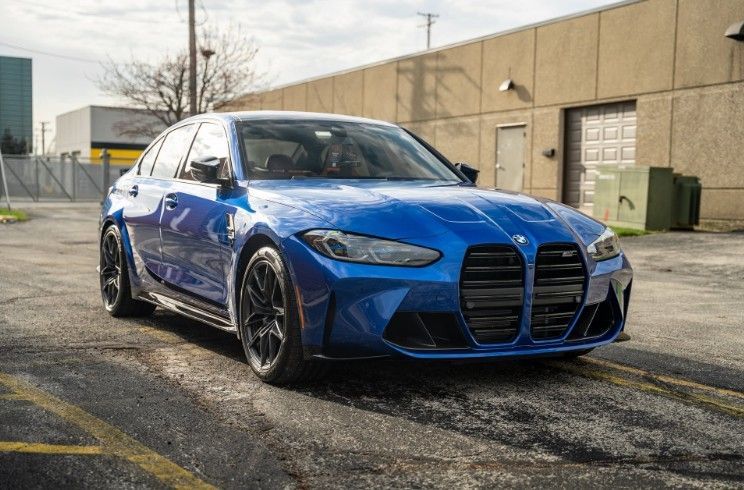
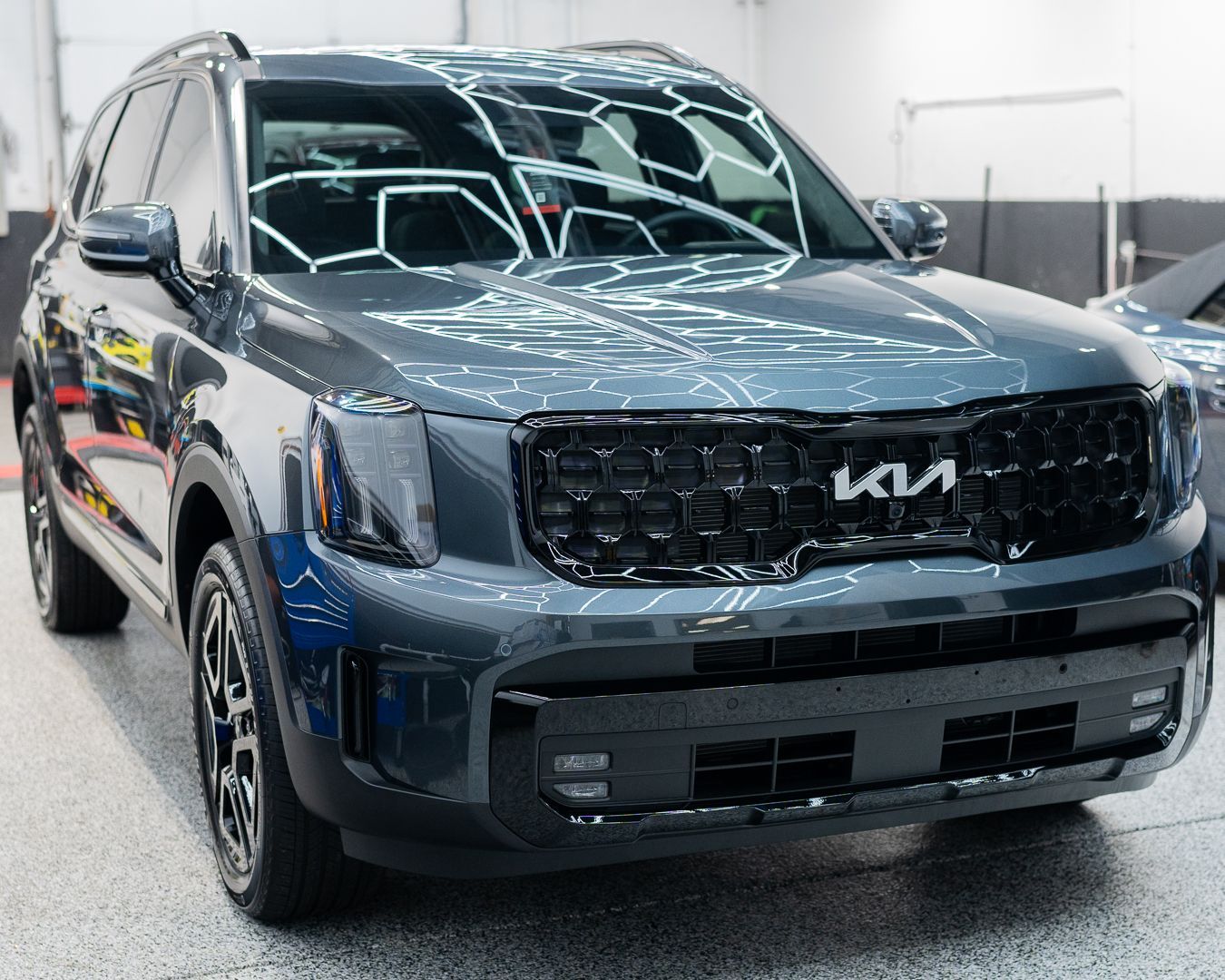
However, not every luxury vehicle needs full-body protection. The smartest approach is usually to match the PPF coverage to the way the vehicle is driven. A weekend sports car that sees occasional local driving may need less coverage than a daily-driven Porsche, BMW M model, Mercedes-AMG, Tesla, Corvette, or high-end SUV that travels on highways throughout the year. Front bumper protection may be enough for one vehicle, while another may benefit from the hood, fenders, mirrors, rocker panels, and A-pillars. This is why deciding whether PPF for luxury cars is worthwhile should begin with vehicle use, road exposure, ownership length, paint condition, and the cost of repairing the surfaces most likely to take damage.
At D’Andrea Auto Detailing in Carol Stream, Illinois, professional PPF packages are designed around different levels of exposure. Available options range from Partial Front Protection to Full Front Protection and broader Premium Coverage Protection. Before installation, the vehicle receives exterior cleaning and decontamination, followed by an inspection of the surfaces selected for protection. Luxury vehicle owners can explore available Paint Protection Film Services in Carol Stream, IL to compare coverage based on how and where the vehicle is driven.
Why Luxury Cars Have More to Lose From Paint Damage
Luxury and performance vehicles face the same road debris as ordinary vehicles, but the consequences of that damage can be more expensive. Premium paint colors, multi-stage finishes, metallic coatings, specialty body panels, and tightly matched factory finishes can make repairs more difficult. A small rock chip on a standard commuter vehicle may be frustrating. The same damage on a high-value sports car or luxury SUV can become a much bigger concern, particularly when the owner places strong value on originality and finish quality.
Front-end damage is especially common because the bumper, hood, mirrors, and front fenders take direct exposure while the vehicle moves through traffic. Small stones can be thrown from tires. Highway debris can strike the paint at speed. Bugs can collect on the bumper and hood. Winter roads can add salt, sand, and grit. Even small particles can create chips and light marks over time.
For an owner who has invested heavily in a premium vehicle, luxury car paint protection may therefore be less about making the car indestructible and more about preventing avoidable deterioration. The purpose of PPF is to absorb certain types of surface impact before they reach the paint underneath.
Areas most likely to justify protection include:
- Front bumper, because it takes direct impact from road debris.
- Hood, especially on low or performance-oriented vehicles.
- Front fenders near the wheel openings.
- Mirror caps exposed to highway debris.
- Rocker panels affected by material thrown from the tires.
- A-pillars that face airborne debris at speed.
- Lower doors and rear quarter areas on certain vehicle designs.
The key is to protect the places most likely to receive damage rather than assuming every panel needs identical coverage.
How Paint Protection Film Protects High-Value Paint
PPF is a transparent film installed directly over painted surfaces. Quality films commonly use polyurethane layers that can absorb and disperse energy from small impacts. Instead of a stone striking the paint directly, the object first contacts the protective film. This additional layer can reduce the likelihood of chips and light surface damage reaching the factory finish underneath.
Modern PPF also includes self-healing properties. This does not mean the film repairs major cuts, punctures, or deep damage. Instead, the top layer can recover from certain light marks and fine surface imperfections when exposed to warmth. Heat from the sun or warm water can help the surface return toward a smoother appearance.
This feature is especially valuable for premium vehicles because the finish often plays a major role in how the car looks. Owners of luxury and performance cars tend to notice minor defects more easily, particularly on dark, glossy, metallic, or highly reflective finishes.
The practical advantages of PPF may include:
- Protection against many small rock impacts.
- Reduced risk of light scratches reaching the paint.
- Defense against insect impacts and road grime.
- Protection for high-impact painted surfaces.
- Self-healing of certain light marks in the film.
- Clear protection without significantly changing the factory appearance.
- Easier long-term preservation of original painted surfaces.
Still, PPF has limits. It cannot stop dents, major collisions, deep cuts, or every severe road impact. It is protection against everyday surface hazards, not a substitute for careful driving or collision repair.
Is PPF Worth It When Luxury Paint Repairs Are Expensive?
The value of PPF becomes easier to understand when compared with the cost and complexity of paint repair. A luxury vehicle may use a specialized paint color, multi-stage finish, or body material that requires additional skill during refinishing. Even when a repair looks good, some owners still prefer to preserve factory paint whenever possible.
A repaired panel may need sanding, color matching, blending, refinishing, and curing. On some vehicles, surrounding panels may also need blending so the color transition is not noticeable. That work can become expensive, especially when dealing with premium finishes.
PPF does not guarantee that a vehicle will never need paintwork. However, it can reduce the type of minor front-end damage that accumulates through ordinary driving.
The financial logic tends to be stronger when:
- The vehicle has an expensive or uncommon factory paint finish.
- The owner wants to preserve original paint.
- The car regularly travels at highway speeds.
- The front bumper and hood sit low to the road.
- The owner keeps vehicles for several years.
- The vehicle has strong resale or collector interest.
- Cosmetic condition matters significantly to the owner.
This is why asking whether PPF is worth it should involve more than comparing installation cost with a single paint repair. The better comparison is between the cost of protection and the cumulative risk of repeated chips, scratches, and refinishing during years of ownership.
Where Should Luxury Cars Get Paint Protection Film First?
The best starting point is usually the front of the vehicle. The front bumper, hood, mirrors, and front fenders face the greatest amount of direct road exposure. These surfaces move into debris rather than away from it, which makes them the logical priority for protection.
A driver who uses the car mostly for short local trips may not need the same coverage as someone who drives sixty highway miles every day. Likewise, a low sports car may receive more direct front-end exposure than a tall luxury SUV.
How to Choose PPF Coverage Based on Driving Habits
Start with how often the vehicle leaves the garage. Then consider the roads it travels most frequently. Highway driving generally increases exposure to fast-moving debris. Construction zones, rural roads, winter roads, and high-speed commuting can increase the likelihood of impact as well.
Next, consider body design. Wide rear quarter panels, exposed rocker panels, flared fenders, and low front bumpers may deserve added coverage depending on the vehicle.
A practical way to prioritize coverage is:
- Protect the bumper first when front-end impact is the main concern.
- Add the hood when rock chips are likely during highway driving.
- Protect full front fenders when the vehicle has wide or exposed front bodywork.
- Add mirrors for frequent highway use.
- Protect rocker panels on low cars or vehicles with wide tires.
- Add A-pillars when broader highway protection is desired.
- Consider wider coverage when preserving resale or collector condition is a major goal.
This approach helps keep PPF for luxury cars connected to actual exposure rather than purchasing the most extensive package without considering need.
Partial Front Protection: When Basic High-Impact Coverage Makes Sense
D’Andrea Auto Detailing offers a Partial Front Protection package starting at $1,450. This package includes the front bumper, partial hood, mirror caps, and partial front fenders. It is the most focused of the listed coverage options and is intended to protect the areas that tend to receive direct impact first.
Partial coverage can make sense for an owner who wants meaningful protection without covering the entire front section of the vehicle. It may also be suitable for a luxury daily driver that sees moderate mileage rather than constant highway exposure.
The package includes:
- Front bumper.
- Partial hood.
- Mirror caps.
- Partial front fenders.
The main benefit is that it concentrates protection where chips often appear first while keeping the initial investment lower than full-front coverage.
However, partial hood and fender coverage create film termination lines somewhere on those panels. These lines are typically designed to remain discreet, but some luxury car owners prefer full-panel coverage because they want the cleanest possible visual result. Owners who are extremely particular about appearance may therefore prefer the next level of protection.
Partial Front Protection is most logical for drivers who prioritize front-impact defense but do not need extensive coverage across the entire vehicle.
Full Front Protection: A Strong Choice for Many Luxury Cars
The Full Front Protection package at D’Andrea Auto Detailing starts at $2,395 and includes the front bumper, full hood, mirrors, and full front fenders. For many high-value vehicles, this is the point where PPF begins to offer a strong balance between protection, appearance, and cost.
Full-panel coverage has an important advantage. Because the entire hood and front fenders receive film, there are fewer visible termination lines across the middle of major painted surfaces. This can create a cleaner appearance that appeals to owners of performance and luxury vehicles.
This package includes:
- Front bumper.
- Full hood.
- Mirrors.
- Full front fenders.
The full front is particularly relevant for cars that see highway use. The hood may receive chips farther back than expected, especially at higher speeds. Full hood protection addresses that concern better than a partial strip.
Likewise, full front fenders protect a larger painted area and may make sense for vehicles with wide, sculpted front bodywork.
For many owners asking whether
paint protection film for luxury cars is worth it, full-front protection may represent the most practical middle ground. It protects the highest-risk areas without extending film across every body panel.
Premium Coverage Protection: When Broader Protection Provides More Value
D’Andrea Auto Detailing’s Premium Coverage Protection package starts at $2,995 and adds protection beyond the standard full front. The package includes the front bumper, full hood, mirrors, full front fenders, rocker panels, and A-pillars.
This broader coverage makes sense when the vehicle experiences more than ordinary front-end exposure. Rocker panels can take significant abuse from material thrown by the tires, especially on low vehicles, performance cars, or models fitted with wider wheels. A-pillars also face direct airflow and airborne debris, particularly during highway driving.
The package includes:
- Front bumper.
- Full hood.
- Mirrors.
- Full front fenders.
- Rocker panels.
- A-pillars.
For a weekend luxury cruiser, this level of protection may exceed what is necessary. However, for a daily-driven sports car, performance sedan, premium EV, or high-value vehicle that regularly travels at highway speeds, the extra coverage can become more logical.
It can also appeal to owners who are highly sensitive to paint defects. Some drivers simply accept small chips as part of vehicle ownership. Others want to preserve the finish as closely as possible to delivery condition. Neither approach is wrong. The right package depends on how strongly the owner values cosmetic preservation.
When Broader PPF Coverage May Be Worth the Additional Cost
Broader protection becomes easier to justify when multiple risk factors are present at the same time. A car that is low, wide, expensive to repaint, frequently driven, and exposed to winter roads has a stronger case for expanded protection than a garage-kept luxury sedan used once a month.
Performance vehicles can also throw debris onto their own rocker panels and rear bodywork. Wide tires may pick up stones and road grit, which can strike areas behind the wheels. Owners who participate in spirited driving, road trips, or performance events may therefore see more value in protecting those sections.
Broader PPF coverage tends to make more sense when:
- The vehicle is driven frequently on highways.
- The paint color is expensive or difficult to match.
- The car has wide performance tires.
- Rocker panels sit low to the ground.
- The vehicle sees winter roads.
- The owner keeps the car for a long time.
- Paint originality matters.
- The owner is highly concerned about visible chips.
Coverage should always follow risk. The fact that a package protects more area does not automatically make it the best choice. It simply provides more value when the additional surfaces face enough exposure to justify the cost.
Self-Healing PPF and What Owners Should Realistically Expect
Self-healing is one of the most appealing features of modern PPF, but it is also commonly misunderstood. Self-healing film does not magically repair severe cuts, deep gouges, punctures, or structural damage. Instead, the surface layer can recover from certain fine scratches and minor marks.
This can help keep the film looking smoother over time. Small marks from washing, drying, or light surface contact may become less noticeable when the film receives warmth.
For luxury vehicle owners, this feature matters because paint perfection often has a higher priority. Dark paint can reveal fine marks easily under direct sunlight. A quality self-healing film creates a sacrificial surface that can absorb some of that everyday wear.
The most realistic expectations are:
- Fine surface marks may recover with heat.
- The film absorbs some impact before it reaches the paint.
- Severe impacts may still damage the film or underlying surface.
- PPF can eventually require replacement.
- Proper washing remains necessary.
- Self-healing does not mean scratch-proof.
Thinking of PPF as sacrificial protection is more accurate than thinking of it as permanent armor. The film takes abuse so the original finish has a better chance of remaining intact.
Appearance Preservation and Why Original Paint Matters
For luxury vehicles, appearance preservation is not only about avoiding obvious scratches. Consistency across the vehicle also matters. A factory-painted hood that remains chip-free will usually present differently from a panel that has been repeatedly repaired or refinished.
PPF can help preserve that original visual consistency by reducing the number of situations that require correction or repainting. Clear film also allows the original paint color, metallic flake, depth, and gloss to remain visible. Modern high-quality films are designed to appear discreet when installed correctly. Proper installation matters because poorly aligned edges, contamination, lifting, or visible imperfections can distract from an otherwise premium finish.
This is why preparation before installation is important. D’Andrea Auto Detailing washes and decontaminates the vehicle before applying film and inspects the areas scheduled for protection. Installing PPF over dirt or untreated defects would compromise the finished result.
Luxury owners should therefore view installation quality as part of the protection itself. The film should protect the paint without becoming the main thing people notice when looking at the vehicle.
Does PPF Help Preserve Resale Value?
PPF cannot guarantee a specific resale price. Vehicle value depends on mileage, service history, accident history, mechanical condition, market demand, specification, ownership history, and many other factors. However, cosmetic condition can affect buyer perception, especially on luxury and performance vehicles.
A prospective buyer comparing two similar high-value cars may prefer the one with cleaner original paint and fewer chips. This is particularly true in enthusiast markets where condition receives close attention.
PPF may help support resale presentation by protecting commonly damaged surfaces throughout ownership. The potential value is strongest when the owner keeps maintenance records and the film has been professionally installed and properly maintained.
Potential resale advantages may include:
- Cleaner front-end appearance.
- Fewer visible stone chips.
- Better-preserved original paint.
- Reduced need for cosmetic refinishing.
- Stronger presentation during trade-in or private sale.
- Greater appeal to detail-focused buyers.
Still, PPF should not be purchased solely because an owner expects to recover the entire cost at resale. The primary benefit comes during ownership through protection, reduced cosmetic damage, and easier preservation of the finish. Any resale benefit should be viewed as an additional advantage.
Is PPF Worth It for a Garage-Kept Luxury Car?
Garage storage reduces environmental exposure, but it does not eliminate road damage. A car can remain perfectly protected while parked and still pick up chips within minutes of highway driving.
Therefore, driving habits matter more than garage storage alone. A garage-kept sports car that travels on highways every weekend may still benefit greatly from front-end PPF. In contrast, a luxury sedan driven only a few hundred local miles per year may face much lower risk.
Ownership length also plays a role. Someone who plans to keep a performance vehicle for ten years may care deeply about preserving its finish. The same vehicle owned for twelve months before trade-in may create a weaker financial case.
PPF is often most worthwhile for garage-kept vehicles when:
- The car is highly valuable.
- Paint condition is a major ownership priority.
- The vehicle sees highway use.
- The owner plans long-term ownership.
- The model has enthusiast or collector appeal.
- The owner prefers original paint over future refinishing.
The garage protects the vehicle while it is stationary. PPF protects it where much of the paint damage actually happens, on the road.
How to Decide Whether PPF Is Worth It for Your Luxury Car
Start by looking at the vehicle itself. Consider paint value, body design, ride height, tire width, and how difficult refinishing might be. Then look at how you drive. Highway mileage matters more than the badge on the hood.
Next, think about how long you plan to own the car. Protection has more time to create value during longer ownership. Finally, consider how much cosmetic damage bothers you personally. Some drivers barely notice a few chips. Others find every defect frustrating.
A practical decision framework includes:
- Choose Partial Front Protection when you want basic defense for the most exposed front-end surfaces while controlling cost.
- Choose Full Front Protection when the car sees regular highway use and you want full hood and fender coverage with a cleaner visual result.
- Choose Premium Coverage Protection when the rocker panels and A-pillars also face meaningful exposure.
- Consider wider protection when the vehicle is low, wide, frequently driven, or expensive to refinish.
- Consider lighter coverage when the vehicle sees limited local use and cosmetic risk is low.
For many luxury vehicles, Full Front Protection provides the strongest balance. For high-mileage performance cars or owners who want broader preservation, Premium Coverage may offer better long-term value.
Final Thoughts: Is Paint Protection Film Worth It for Luxury Cars?
For many high-value vehicles, paint protection film for luxury cars is worth considering because the cost of maintaining original paint can be significant. PPF is especially useful on front bumpers, hoods, fenders, mirrors, rocker panels, and other areas exposed to road debris. It can help reduce rock chips, light scratches, bug impact damage, and minor surface imperfections while allowing the original finish to remain visible underneath.
The best value comes from choosing the right amount of coverage. Partial Front Protection can make sense for moderate exposure. Full Front Protection offers broader protection across the most vulnerable front surfaces. Premium Coverage Protection adds rocker panels and A-pillars for owners who drive more aggressively, travel frequently, or want a wider protective envelope.
At D’Andrea Auto Detailing, luxury and performance vehicle owners in Carol Stream can select PPF coverage based on real driving conditions rather than a one-size-fits-all package. The team prepares and inspects the vehicle before installation and offers coverage ranging from targeted front-end protection to broader high-impact-area defense. Drivers interested in preserving factory paint, reducing visible chips, and keeping high-value vehicles looking cleaner over time can learn more about D’Andrea Auto Detailing’s Paint Protection Film Services.
Ultimately, PPF is worth it when the expected cost and frustration of paint damage outweigh the upfront cost of prevention. For a luxury vehicle that sees regular road use, that threshold can arrive quickly. Request a free quote from D’Andrea Auto Detailing in Carol Stream today and choose the PPF coverage that best matches your vehicle, driving habits, and long-term ownership goals.
