
Ceramic Window Tint vs Regular Tint: Which Is Better for Your Car?
October 20, 2026
Ceramic window tint is generally the better choice for drivers who want stronger heat rejection, excellent UV protection, good optical clarity, long-term durability, and a film that does not rely on metallic materials. Regular window tint can still be a sensible option when the main priorities are privacy, appearance, glare reduction, and keeping the upfront price lower. Therefore, the answer to ceramic window tint vs regular tint depends on what you expect the film to do. If you spend a lot of time driving in direct sunlight, park outdoors, own a vehicle with large glass areas, or plan to keep your car for several years, ceramic tint often provides more practical value. If your needs are basic and your budget is the main concern, a quality regular tint may still meet your expectations.
This distinction matters for drivers in Carol Stream, Illinois, where vehicles experience both bright summer sun and changing seasonal conditions. Window tint is often treated as a cosmetic upgrade, but its performance can affect daily comfort, glare, UV exposure, cabin heat, and how quickly an interior feels uncomfortable after outdoor parking. The key is not simply choosing a darker film. In fact, darkness alone does not determine heat rejection. A lighter ceramic film can sometimes provide better solar performance than a much darker lower-grade tint because the materials inside the film are designed to manage infrared energy more effectively.
At D’Andrea Auto Detailing, Carol Stream drivers can choose professional Geoshield ceramic window tint packages based on their vehicle, comfort goals, budget, and desired coverage. The available Geoshield C2 and Geoshield APEX options provide different levels of infrared heat rejection and include coverage choices for front windows, windshields, full side and rear glass, SUVs, coupes, sedans, and several Tesla models. Drivers who want to explore professional installation options can review D’Andrea Auto Detailing’s Window tinting Services page for current window tint packages and service details.
Ceramic Tint vs Regular Tint: What Actually Changes?
The main difference between ceramic and regular tint comes from the materials used to build the film. Regular tint is a broad term that can include dyed, carbon, or metallic films. Dyed film is often one of the most affordable options. It can darken windows, improve privacy, and reduce some visible glare. However, basic dyed films may not manage infrared heat as effectively as premium ceramic products. Some lower-quality films can also fade or change color after long-term exposure to sunlight.
Metallic films use tiny metal particles to reflect solar energy. They can perform better than basic dyed films in some conditions, but the presence of metal can create concerns around certain electronic signals. Modern vehicles rely heavily on GPS, cellular connectivity, satellite systems, toll transponders, Bluetooth, remote apps, and other technology. For that reason, some drivers prefer to avoid metal-based films altogether.
Ceramic window tint uses advanced non-metallic particles within the film. These particles help reduce infrared energy while preserving visual clarity. Because ceramic tint does not depend on metal, it can offer strong heat rejection without creating the same signal concerns associated with some metallic products. This difference is central to any meaningful ceramic tint comparison.
When comparing the two categories, drivers should think beyond appearance and consider:
- Infrared heat rejection and cabin comfort.
- UV protection for passengers and interior materials.
- Optical clarity in daytime and nighttime driving.
- Long-term color stability.
- Resistance to fading and bubbling.
- Compatibility with GPS, cellular, and connected vehicle technology.
- Expected ownership length.
- Total installed cost.
These factors matter because window tint is an upgrade you may experience every day. A film that looks good during installation but performs poorly in heat or loses clarity after several years can become frustrating. A better decision starts with the way you actually use the vehicle.
Why Heat Rejection Matters More Than Tint Darkness
Many drivers assume darker tint automatically means better heat protection. That is one of the most common misunderstandings in automotive window tinting. Visible light transmission and infrared heat rejection measure different things. A very dark film limits visible light, but it may not necessarily block infrared energy as effectively as an advanced ceramic film.
Infrared energy is a major contributor to the heat people feel through automotive glass. When sunlight enters the cabin, surfaces such as seats, dashboards, trim, steering wheels, and center consoles absorb that energy. As those surfaces warm, the entire interior becomes uncomfortable. Therefore, a quality tint film should not only make the glass appear darker. It should also address the solar energy responsible for much of the discomfort.
This is where ceramic film typically performs better. D’Andrea Auto Detailing’s available Geoshield products demonstrate the difference between ceramic film performance levels. Geoshield C2 can provide up to 70% infrared heat rejection, while Geoshield APEX can provide up to 96% infrared heat rejection. That difference can matter for drivers who spend long periods on the road or park outdoors throughout the day.
Higher heat rejection can be particularly useful for:
- Daily commuters who drive during sunny afternoon hours.
- Parents carrying children in rear seats.
- Drivers who park in open workplace lots.
- SUV owners with large side and rear windows.
- Tesla owners with expansive glass surfaces.
- Drivers who dislike direct solar heat on their arms and face.
- Anyone wanting stronger heat management without choosing extremely dark tint.
A vehicle will still heat up when parked outside because no tint can completely eliminate solar gain. However, better infrared rejection can reduce how intense that incoming heat feels while driving. This makes the best car window tint less about darkness and more about matching film performance to your comfort expectations.
D’Andrea Auto Detailing Geoshield C2 Ceramic Window Tint Packages
Geoshield C2 is a practical option for Carol Stream drivers who want ceramic technology without immediately moving to the highest performance and price tier. The film is designed to provide up to 70% infrared heat rejection, which can improve driving comfort while also supporting UV protection, glare management, and a cleaner appearance.
This package can work well for daily drivers, family vehicles, commuters, and people who want the advantages of ceramic film but do not necessarily need the maximum infrared rejection available. It can also make sense for vehicles that spend part of the day in a garage or covered parking but still experience regular summer sun.
D’Andrea Auto Detailing offers several C2 coverage options so drivers do not have to tint the entire vehicle if their needs are more specific. Current listed starting prices include:
- Windshield strip: starting at $80.
- Front two windows: starting at $180.
- Full windshield: starting at $225.
- Coupe sides and rear: starting at $400.
- Sedan sides and rear: starting at $475.
- SUV sides and rear: starting at $550.
These choices allow the package to be tailored to the areas that matter most. Some drivers mainly want the front two windows treated because direct side sunlight creates discomfort while commuting. Others want side and rear coverage for a more uniform appearance and improved comfort throughout the cabin. A full windshield application may also be worth considering when a significant amount of solar heat enters through the front glass.
Geoshield C2 Options for Tesla Models
Tesla vehicles often have substantial glass areas, which can make solar exposure a major part of cabin comfort. D’Andrea Auto Detailing offers dedicated Geoshield C2 coverage options for several Tesla models.
Current listed prices include:
- Tesla Model S, 3, or Y windshield: starting at $300.
- Tesla Model 3 sides and full back glass: starting at $700.
- Tesla Model Y sides and back: starting at $540.
- Tesla Model S or Y sunroof: starting at $600.
These options give Tesla owners more flexibility when deciding which glass areas create the most discomfort. A driver may prioritize the windshield, side windows, rear glass, or panoramic roof based on the way the vehicle is used.
For many drivers, Geoshield C2 represents the middle ground between basic tinting and premium maximum-performance film. It offers ceramic technology, meaningful heat rejection, and multiple coverage options without requiring the highest package investment.
D’Andrea Auto Detailing Geoshield APEX Window Tint Packages
Geoshield APEX is the higher-performance option offered by D’Andrea Auto Detailing. It can provide up to 96% infrared heat rejection, making it particularly attractive for drivers who want maximum heat-management performance from their window film.
This level of rejection may be most valuable for people who spend substantial time in their vehicle. For example, someone commuting every weekday, driving for work, transporting family members, or parking outside for eight hours at a time may experience the benefits more often than someone who drives only occasionally.
The Geoshield APEX package includes several coverage options:
- Windshield strip: starting at $100.
- Front two windows: starting at $250.
- Full windshield: starting at $275.
- Coupe sides and rear: starting at $520.
- Sedan sides and rear: starting at $700.
- SUV sides and rear: starting at $750.
The higher price reflects the stronger infrared heat-rejection capability and premium performance position of the APEX film. The price difference may be easier to justify when comfort is a major priority or when the driver expects to keep the vehicle for several years.
Geoshield APEX Options for Tesla Models
D’Andrea Auto Detailing also offers dedicated APEX packages for Tesla vehicles. Because these vehicles can include large windshields, rear glass, and panoramic roofs, higher infrared rejection may provide additional value for drivers who spend a great deal of time in bright conditions.
Current listed APEX pricing includes:
- Tesla Model S, 3, or Y windshield: starting at $400.
- Tesla Model 3 sides and full back glass: starting at $900.
- Tesla Model Y sides and back: starting at $720.
- Tesla Model S or Y sunroof: starting at $700.
For a Tesla owner comparing C2 and APEX, the decision should come down to desired performance rather than simply choosing the more expensive option. Someone who regularly parks under cover and drives short distances may find C2 sufficient. A driver exposed to direct summer sun for hours each day may find the stronger infrared rejection of APEX more useful.
The important point is that both packages are ceramic solutions. The question is not whether one is "good" and the other is "bad." Instead, they are designed for different levels of performance and investment.
UV Protection, Interior Care, and Long-Term Exposure
UV radiation is another reason many drivers consider window tint. Prolonged sun exposure can affect both people and vehicle interiors. Over time, dashboards, seats, trim, leather, and plastics can show signs of fading or deterioration. Window tint cannot stop every form of interior aging, but it can reduce UV transmission and help limit one major source of exposure.
Both high-quality regular and ceramic films can offer strong UV protection. Therefore, drivers should not assume only ceramic tint can block UV rays. Product quality and specifications matter. However, ceramic film becomes appealing because it combines UV performance with stronger infrared heat rejection, clarity, and long-term stability.
This combination can matter for drivers who expect to keep their vehicle for several years. A vehicle that spends five days a week in an uncovered office parking lot may receive thousands of hours of sun exposure during its ownership. Family SUVs can see even more frequent use because they handle school trips, errands, vacations, sports, and daily commuting.
When evaluating long-term interior care, drivers should consider:
- Where the vehicle is parked during the day.
- Whether the dashboard receives direct sunlight.
- The type and color of interior materials.
- How many years they expect to own the vehicle.
- Whether rear passengers regularly experience direct sunlight.
- Whether the vehicle has a panoramic roof or large glass area.
A quality ceramic film cannot make the interior immune to aging. However, it can become one part of a sensible long-term vehicle care strategy.
Clarity and Glare: Why a Better Tint Is Not Always a Darker Tint
Glare reduction is one of the reasons drivers often want dark windows. Bright sunlight, wet pavement, snow, reflective vehicles, and low-angle sun can make driving uncomfortable. Tint can reduce some visible glare and improve comfort, especially during daytime driving.
However, going too dark can create a different problem. Very dark tint reduces the amount of visible light entering the cabin. That can make it harder to see through the glass at night or on poorly lit roads. For drivers who travel frequently after sunset, optical clarity should be given as much attention as appearance.
Ceramic technology is useful because it allows manufacturers to improve solar performance without relying entirely on dark shades. A driver can therefore choose a relatively light film and still receive meaningful heat rejection. This is one reason a ceramic film can outperform a darker lower-grade product in real-world comfort.
Drivers should ask themselves:
- Do I drive frequently at night?
- Do I travel on rural or poorly lit roads?
- Do I want privacy or mainly heat reduction?
- Do I need maximum daytime glare reduction?
- Does my vehicle already have factory privacy glass?
- Would a lighter high-performance film better suit my visibility needs?
The
best car window tint should create a balance between comfort, visibility, appearance, and applicable tint laws. Darker is not automatically better.
How to Choose Between Geoshield C2 and APEX
The choice between Geoshield C2 and APEX becomes easier when the decision is connected to daily driving habits. Start with the problem you are trying to solve. If your main concern is better cabin comfort and you want ceramic performance at a moderate price, C2 may fit well. If you want the highest available infrared heat rejection and spend a large amount of time in direct sun, APEX may provide more value.
Ownership length also matters. Someone keeping a vehicle for six or seven years has more time to benefit from premium film than someone who expects to trade the car within twelve months. Parking conditions are equally important. A garage-kept vehicle may experience much less solar exposure than a vehicle parked outside all day.
Step by Step: Decide Which Tint Package Fits Your Car
First, estimate how many hours your vehicle spends outside each week. Second, think about when you drive. Afternoon commuters may experience much more direct heat than drivers who travel early in the morning. Third, consider how sensitive you are to cabin heat and direct sunlight. Fourth, decide which windows need coverage. Finally, compare the added cost of APEX with the amount of additional performance you expect to use.
A practical decision process can include:
- Choose Geoshield C2 if you want ceramic technology and strong heat reduction at a lower starting cost.
- Choose Geoshield APEX if maximum infrared heat rejection is a major priority.
- Consider front two-window tinting when driver and passenger comfort is the main concern.
- Consider full sides and rear coverage for more consistent cabin performance and appearance.
- Consider full windshield coverage if much of the heat enters from the front.
- Consider Tesla-specific coverage when large glass surfaces create noticeable heat buildup.
Drivers should also compare package prices based on total coverage. A front-window package and a full-vehicle package solve different problems, so the cheapest quote is not necessarily the best value.
Ceramic Tint, Regular Tint, and Signal Interference
Modern cars depend heavily on wireless technology. Drivers use GPS, cellular signals, Bluetooth, satellite radio, remote apps, toll transponders, Wi-Fi, and connected vehicle systems every day. Because of this, tint materials matter more than they did on older vehicles.
Some metallic films contain small amounts of metal that can potentially interfere with certain radio-frequency signals. The degree of interference depends on the film and vehicle, but it remains a consideration for drivers who rely on electronics.
Ceramic film is non-metallic. That allows it to provide strong solar-control performance without using the type of metallic layer associated with signal concerns. This can make ceramic tint attractive for modern vehicles with a high level of connectivity.
This advantage is particularly relevant for:
- Tesla vehicles.
- Luxury vehicles with extensive electronics.
- Drivers who depend on GPS navigation.
- Cars with remote app functionality.
- Vehicles using satellite services.
- People who frequently use electronic toll systems.
Dyed regular tint generally does not present the same metallic signal concern either. However, it may not deliver the same level of infrared heat rejection as ceramic products. Therefore, drivers should ask exactly what type of regular tint they are comparing.
Durability, Fading, and Long-Term Appearance
Window tint is constantly exposed to heat and sunlight. It also experiences temperature changes, window movement, cleaning, and everyday wear. Over time, lower-grade film may fade, change color, bubble, peel, or lose optical clarity.
Cheap dyed films are sometimes associated with the purple appearance seen on older vehicles. This occurs when dyes degrade after extended UV exposure. Higher-quality products resist this process much better.
Ceramic film generally offers strong color stability because its performance does not rely on traditional dye in the same way basic dyed films do. This can make it more appealing to owners who want the installation to continue looking clean several years later.
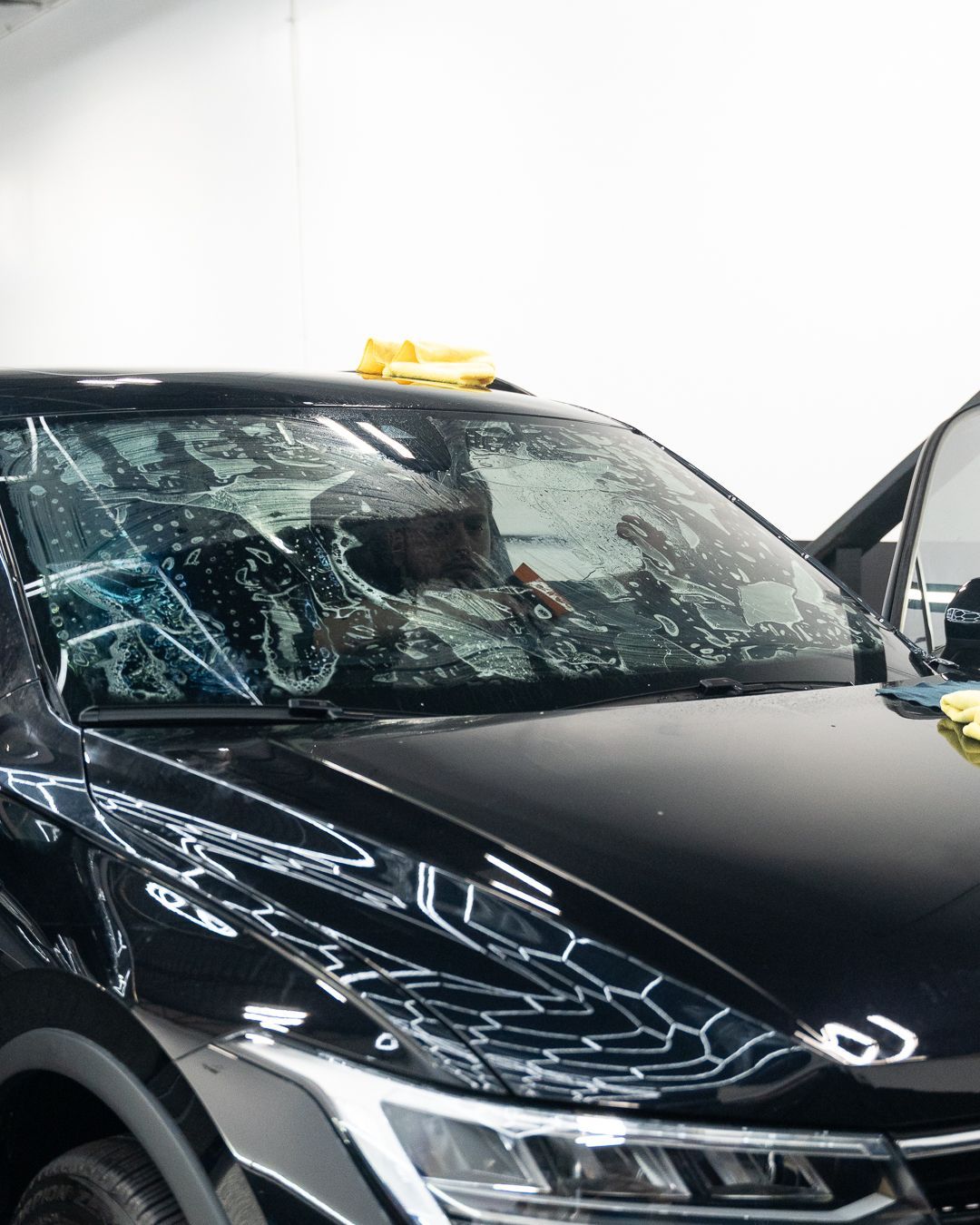
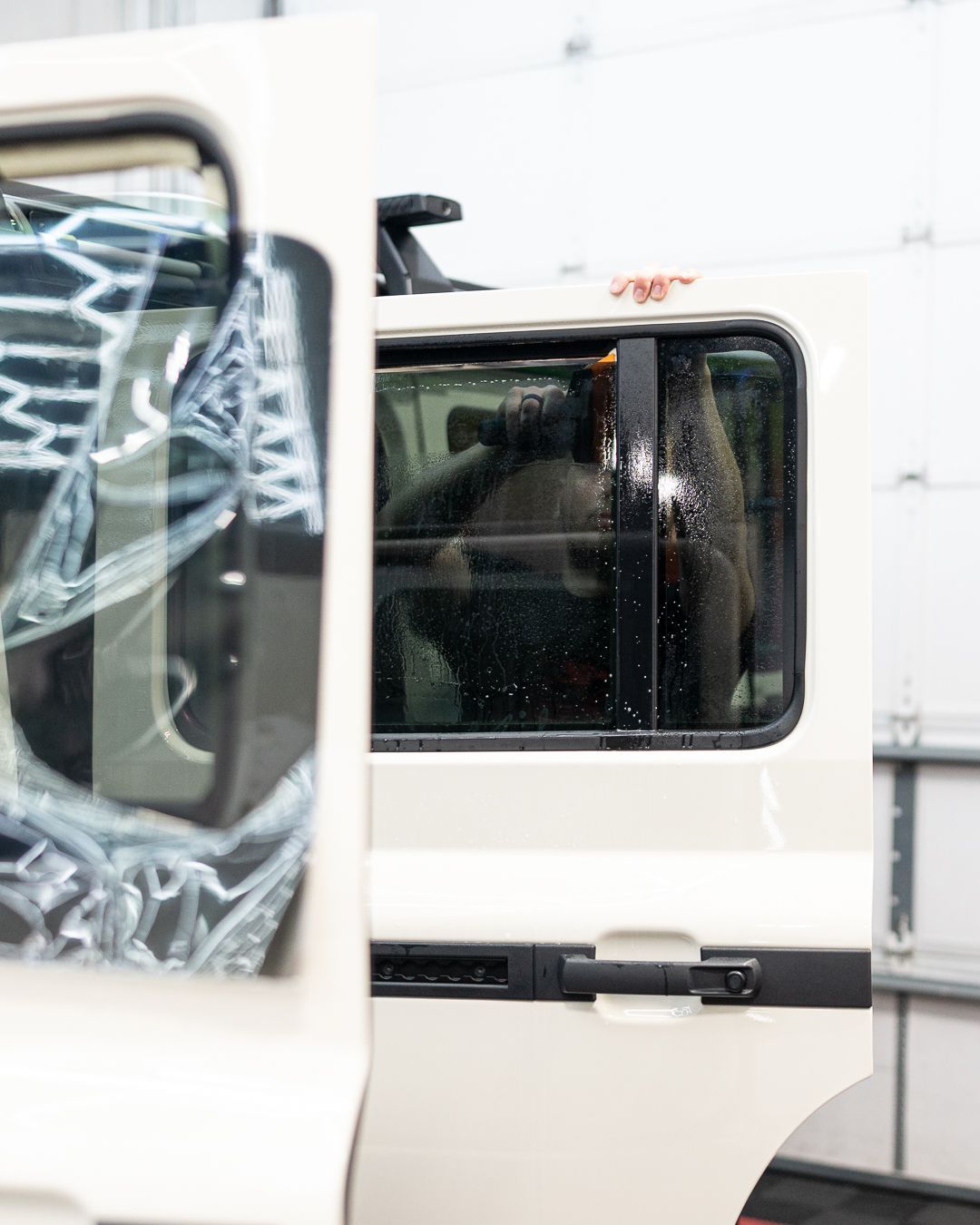
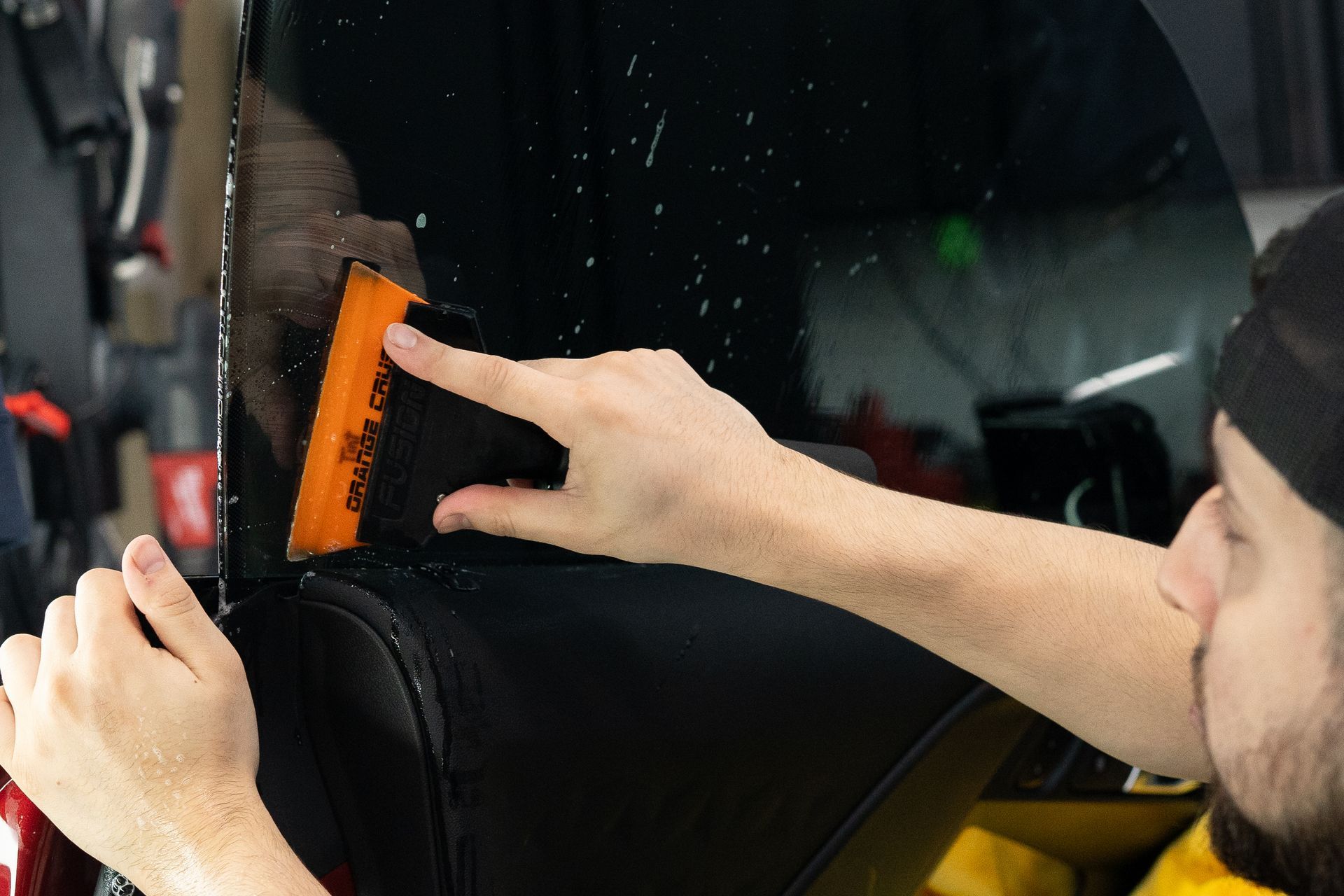
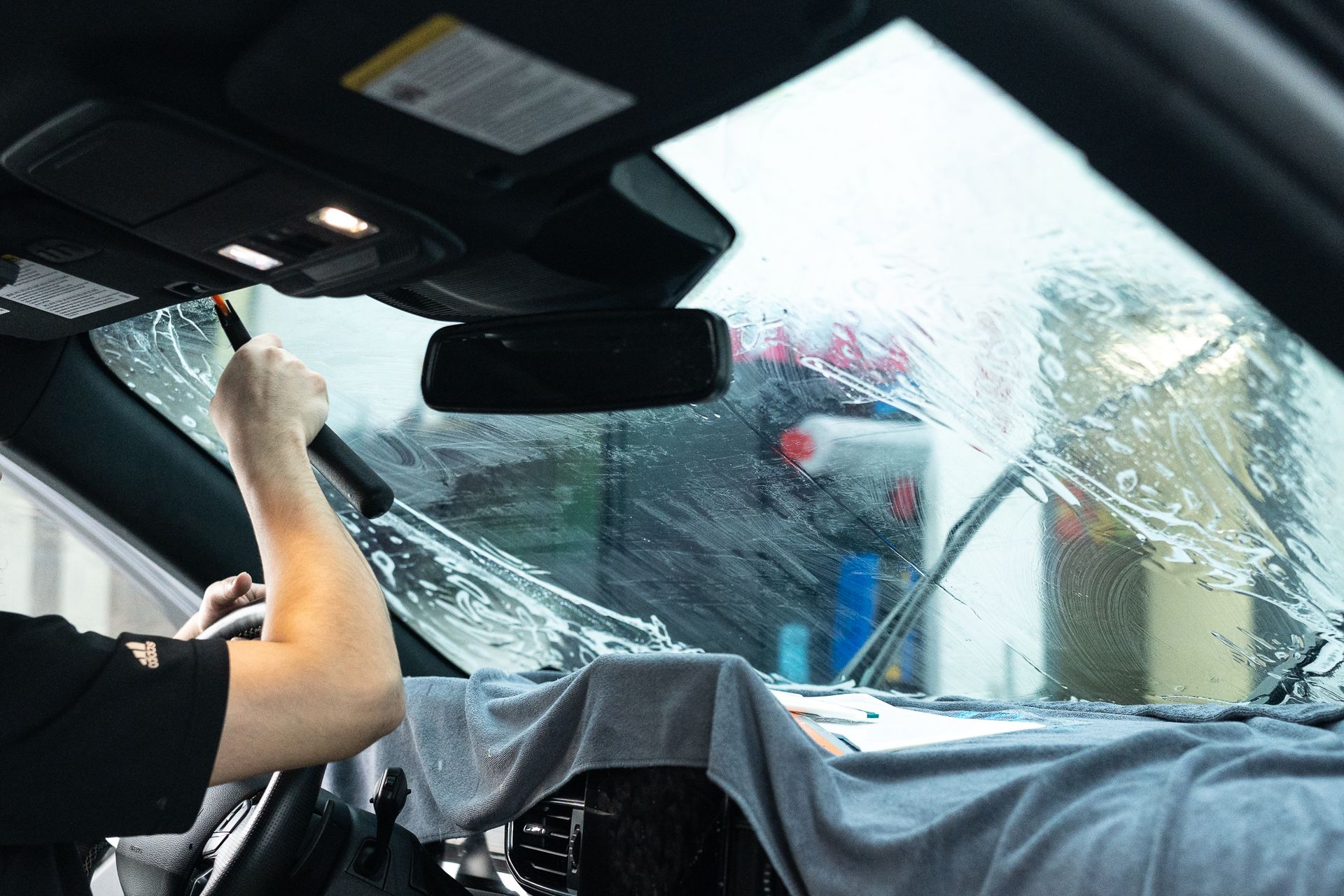
Still, film quality is only one part of durability. Installation also matters. The glass must be cleaned and prepared carefully. The installer must control contamination, position the film properly, finish the edges, and allow adequate curing.
Poor installation can lead to:
- Dust or debris trapped beneath the film.
- Uneven edges.
- Air bubbles.
- Peeling near window seals.
- Visual distortion.
- Early adhesion problems.
Choosing a professional installer is therefore just as important as choosing the film itself. A premium product cannot compensate for careless installation.
Is the Higher Price of Ceramic Tint Worth Paying?
Whether ceramic tint is worth the extra cost depends on how frequently you benefit from its performance. Someone who drives every day may experience improved heat control hundreds of times per year. Someone who rarely drives a garage-kept second vehicle may experience the benefit much less often.
The Geoshield C2 and APEX packages also make it possible to match the investment to the vehicle. A driver does not necessarily need the most expensive full-vehicle package. Front-window coverage may solve the main comfort problem. Another owner may prefer full sides and rear coverage because passengers frequently travel in the vehicle.
Ceramic tint often makes the most financial sense for drivers who:
- Plan to keep the vehicle for several years.
- Regularly park outside.
- Spend significant time driving.
- Dislike direct solar heat.
- Own vehicles with large glass areas.
- Want long-term film stability.
- Value clarity and appearance.
- Prefer a non-metallic tint solution.
Regular tint may still make sense when the goal is mostly cosmetic. Someone who wants darker windows for privacy and styling may not need premium infrared rejection. In that case, paying more for ceramic technology may deliver features the owner does not strongly value.

Which Type of Driver Benefits Most From Ceramic Window Tint?
A daily commuter is one of the strongest candidates for ceramic tint. Frequent drivers repeatedly experience sunlight, glare, and heat through side windows and the windshield. Because they use the vehicle so often, even a modest improvement in comfort can become meaningful over several years.
Parents and families can also benefit. SUVs and crossovers often have large windows, and children may spend long periods in rear seats during errands, school runs, and road trips. Strong solar rejection can help make those trips more comfortable.
Rideshare and delivery drivers may also value premium film because they spend hours behind the wheel. For these owners, the vehicle is also a workplace, so comfort can affect the entire day.
Ceramic tint can be especially useful for:
- Long-distance commuters.
- Parents with family SUVs.
- Tesla owners.
- Luxury vehicle owners.
- Rideshare drivers.
- Drivers with large windshields.
- People who park outside for work.
- Owners planning long-term vehicle ownership.
Meanwhile, drivers who use a vehicle only on weekends or keep it indoors most of the time may not need the same level of performance.
Common Mistakes Drivers Make When Choosing Window Tint
One major mistake is choosing film only by shade percentage. A 5%, 15%, 20%, 35%, or 50% film tells you about visible light transmission, but it does not provide the complete picture of solar performance. Heat rejection varies between products even when the shade looks similar.
Another mistake is comparing quotes without confirming which product is being installed. Two installers may offer very different prices because one uses a premium ceramic film and another uses a basic dyed product. Drivers should compare film line, infrared rejection, UV specifications, warranty coverage, and installation quality.
Additional mistakes include:
- Assuming all ceramic tint performs the same.
- Choosing the darkest film only to reduce heat.
- Ignoring nighttime visibility.
- Failing to check applicable Illinois tint requirements.
- Overlooking the windshield as a source of solar heat.
- Selecting film based only on the lowest quote.
- Expecting tint to keep a parked car completely cool.
- Ignoring professional installation quality.
A better buying process focuses on how the product performs rather than simply how it looks in a showroom.
Which Is Better: Ceramic Window Tint or Regular Tint?
For most drivers seeking a combination of heat rejection, UV protection, clarity, durability, and modern vehicle compatibility, ceramic film is the stronger overall choice. That does not mean regular tint has no place. Quality regular film can still offer privacy, styling, glare reduction, and basic solar benefits at a lower price.
The better choice depends on the problem being solved. If the goal is simply darker windows, regular tint may be enough. If the goal is reducing solar heat during daily driving, improving long-term comfort, maintaining clear visibility, and getting more durable performance, ceramic film becomes easier to justify.
Within ceramic products, the same decision principle applies. Geoshield C2 provides up to 70% infrared heat rejection and can make sense for drivers seeking a balance of performance and price. Geoshield APEX provides up to 96% infrared heat rejection and is better suited to drivers who place a higher priority on maximum heat control.
Choosing Professional Window Tinting in Carol Stream, IL
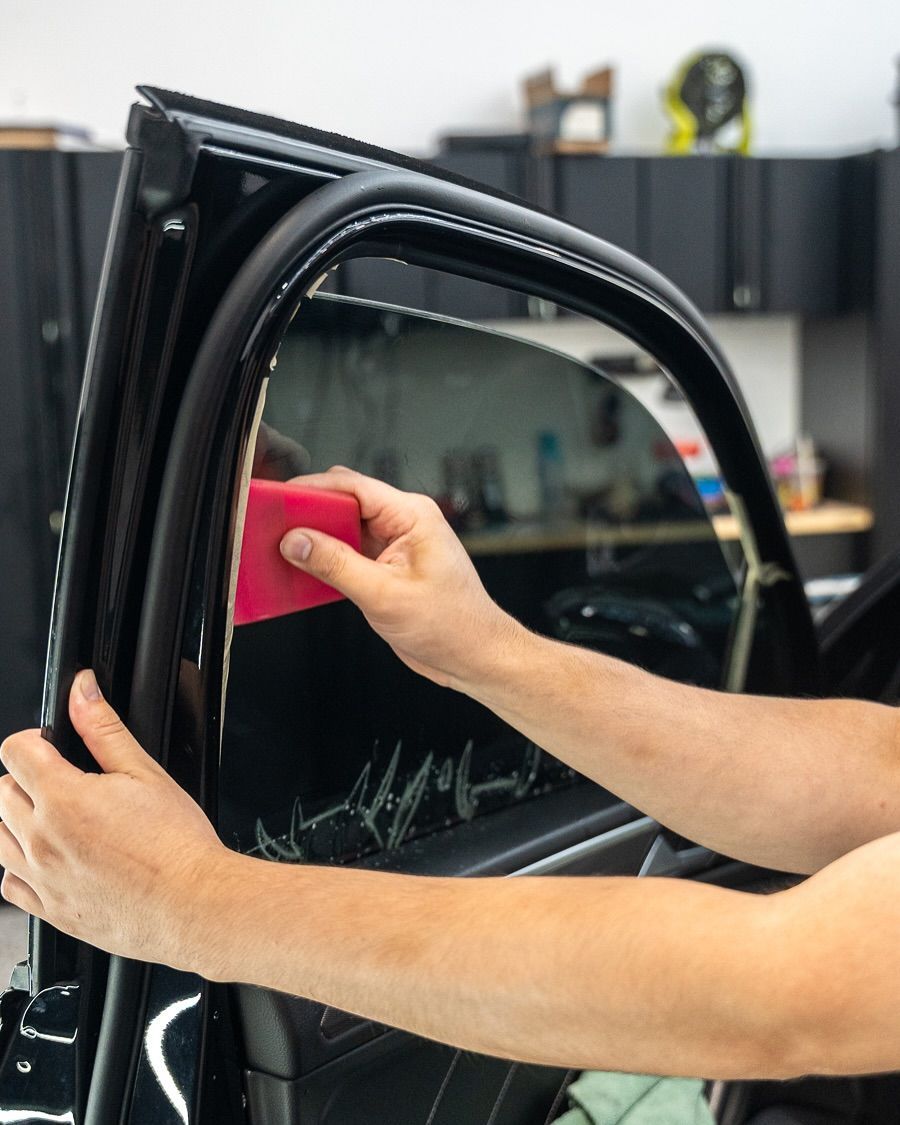
Professional installation matters because even the best film needs correct preparation and application. Automotive glass has curves, edges, seals, defroster lines, sensors, and other features that require careful work. A trained installer can also help explain tint percentages, coverage options, heat-rejection levels, and film differences before the customer makes a decision.
At
D’Andrea Auto Detailing, Carol Stream drivers can choose from Geoshield C2 and Geoshield APEX ceramic tint packages for a range of vehicles and coverage areas. Whether you need two front windows, a full windshield, sides and rear glass, SUV coverage, or Tesla-specific tinting, the package can be selected around how you use the vehicle.
Final Thoughts: Ceramic Window Tint vs Regular Tint
The ceramic window tint vs regular tint decision should not come down to which film looks darker or which quote is cheapest. The better question is what you expect your tint to accomplish every day. Regular tint can be a practical choice for privacy, appearance, and basic glare reduction. Ceramic film offers a more complete performance package for drivers who care about infrared heat rejection, UV protection, clarity, durability, and non-metallic construction.
For many Carol Stream drivers, Geoshield C2 provides a strong middle ground. It offers ceramic technology and up to 70% infrared heat rejection while keeping starting prices below the premium APEX package. Geoshield APEX takes performance further with up to 96% infrared heat rejection, making it especially appealing to frequent drivers, outdoor parkers, SUV owners, Tesla owners, and anyone who places a high value on cabin comfort.
D’Andrea Auto Detailing can help drivers compare film performance, coverage areas, and pricing based on the vehicle and actual driving conditions. Professional guidance is especially useful when you are unsure whether C2 or APEX provides the better balance for your budget and comfort expectations.
If you want to reduce cabin heat, improve everyday driving comfort, and choose a window film that matches how you use your vehicle,
request a quote from D’Andrea Auto Detailing in Carol Stream and explore the Geoshield ceramic tint package that best fits your car.
