
Is Ceramic Coating Worth It for Trucks and SUVs? A Guide
October 14, 2026
Yes, ceramic coating can be worth it for trucks and SUVs, especially when the vehicle spends significant time outdoors, travels in winter conditions, encounters mud and road grime, or is expected to stay in good condition for several years. A professionally applied coating creates a durable, hydrophobic surface that helps reduce how strongly contaminants bond to the exterior. It can also make routine washing easier while improving gloss and visual depth. However, ceramic coating is not necessary for every owner. The value depends on how the vehicle is used, where it is parked, how long the owner plans to keep it, and how much time they want to spend maintaining the exterior.
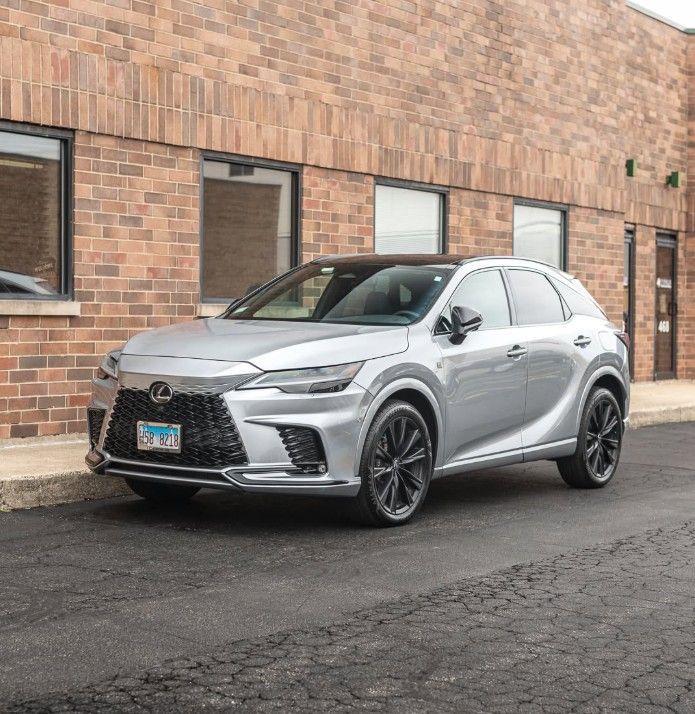
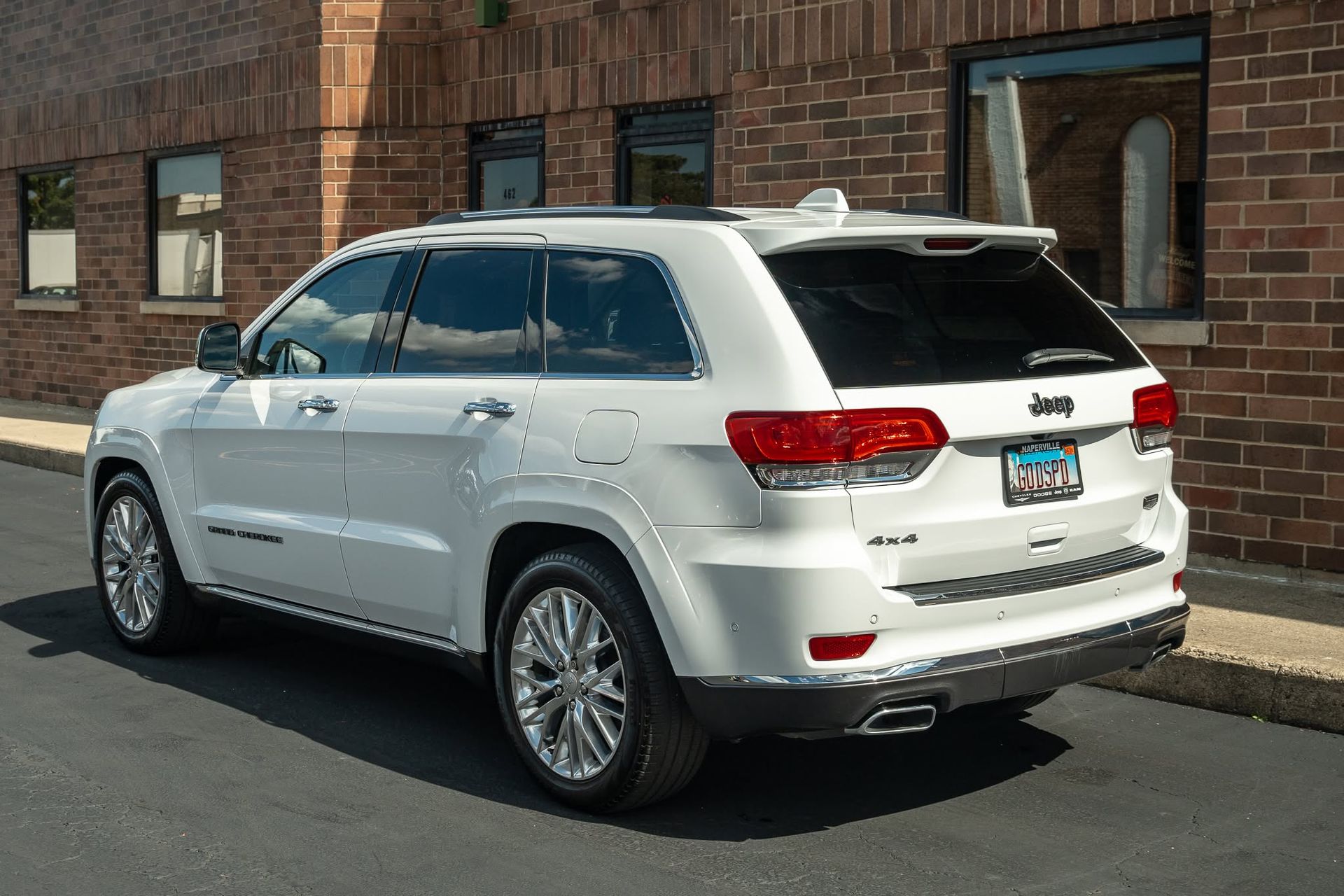
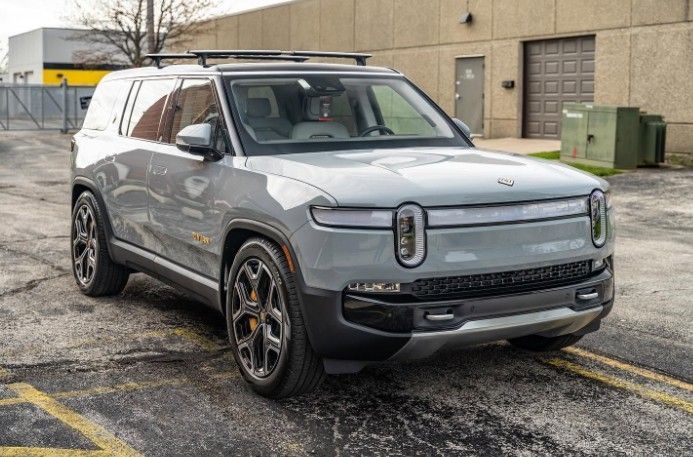
For owners considering ceramic coating for trucks, the larger size of the vehicle matters. Pickup trucks often have large hoods, long body panels, wide bedsides, painted bumpers, exterior trim, and wheels that are regularly exposed to dirt, rain, winter road residue, insects, and other contaminants. SUVs can present many of the same challenges because their larger painted surfaces collect more dust and environmental fallout than smaller vehicles. As a result, ceramic coating for SUVs can be particularly appealing to owners who want to simplify exterior care without depending on frequent waxing.
At D’Andrea Auto Detailing, vehicle owners in Carol Stream, Illinois can choose professional coating packages designed around different levels of vehicle condition and long-term protection goals. These services include surface preparation, decontamination, gloss enhancement, and professional coating application. Drivers who want to explore the available options can learn more about our Ceramic Coating Services in Carol Stream, IL. Understanding what professional coating does, and just as importantly what it does not do, can help truck and SUV owners make a more informed decision before investing.
Why Trucks and SUVs Have Different Exterior Protection Needs
Trucks and SUVs face many of the same environmental conditions as cars, but their size and typical use often make exterior maintenance more demanding. A full-size pickup may have substantially more painted surface area than a compact sedan. An SUV can also have a large roof, wide quarter panels, oversized wheels, roof rails, trim pieces, and additional surfaces that accumulate dirt. Because there is simply more exterior area to wash, dry, and protect, owners may spend more time maintaining these vehicles. This difference becomes especially noticeable when the vehicle is driven every day or parked outdoors.
Truck owners may also use their vehicles in conditions that place more stress on the exterior. Worksites, gravel roads, rural routes, construction areas, and outdoor recreation can expose a truck to mud, dust, tree sap, bug residue, and road grime. SUVs frequently serve as family vehicles and may spend long hours in parking lots, driveways, highways, school pickup lines, or winter traffic. Therefore, truck ceramic coating can be useful because it makes the exterior surface less receptive to some common contaminants and easier to clean during regular washing.
Several factors can make larger vehicles harder to maintain:
- Larger body panels require more time to wash and dry properly.
- Roof areas can be difficult to reach and may receive less frequent attention.
- Trucks used for work may collect dust, mud, and road film more often.
- Large wheels and wheel arches tend to accumulate brake dust and road debris.
- SUVs frequently serve as daily drivers and may remain outside for many hours.
- Winter driving can expose lower body panels to road salt, slush, and moisture.
Ceramic coating does not prevent every form of exterior damage. However, it can reduce the maintenance burden associated with many common contaminants. That difference is one reason larger vehicle owners frequently evaluate whether long-term coating protection offers better value than repeated wax applications or other short-term surface products.
How Ceramic Coating Works on Trucks and SUVs
A professional ceramic coating is a liquid product that is applied to properly prepared exterior surfaces. After application and curing, it chemically bonds with the surface and creates a durable layer that enhances hydrophobic behavior, gloss, and resistance to certain environmental contaminants. Unlike traditional wax, which generally sits on the surface for a relatively short period, a professional coating can provide longer-lasting performance when installed and maintained correctly. This is why many owners asking is ceramic coating worth it should consider not only the initial cost but also the expected lifespan and reduced need for repeated waxing.
Before the coating is applied, surface preparation is extremely important. Dirt, embedded contamination, oxidation, water spotting, and existing paint imperfections should be addressed first. The coating does not hide defects. In fact, its gloss can sometimes make existing defects more noticeable. Professional installation commonly begins with exterior cleaning and decontamination, followed by polishing or paint correction when needed. Once the surface is properly prepared, the coating can bond more consistently and create a more uniform finish.
Professional ceramic coating can provide several practical benefits:
- Increased water beading and hydrophobic behavior.
- Easier removal of many types of dirt and road grime.
- Enhanced depth, gloss, and visual clarity.
- Reduced need for repeated wax applications.
- Added resistance to environmental contamination.
- Easier routine maintenance when proper washing methods are used.
- Long-term surface protection when paired with scheduled maintenance.
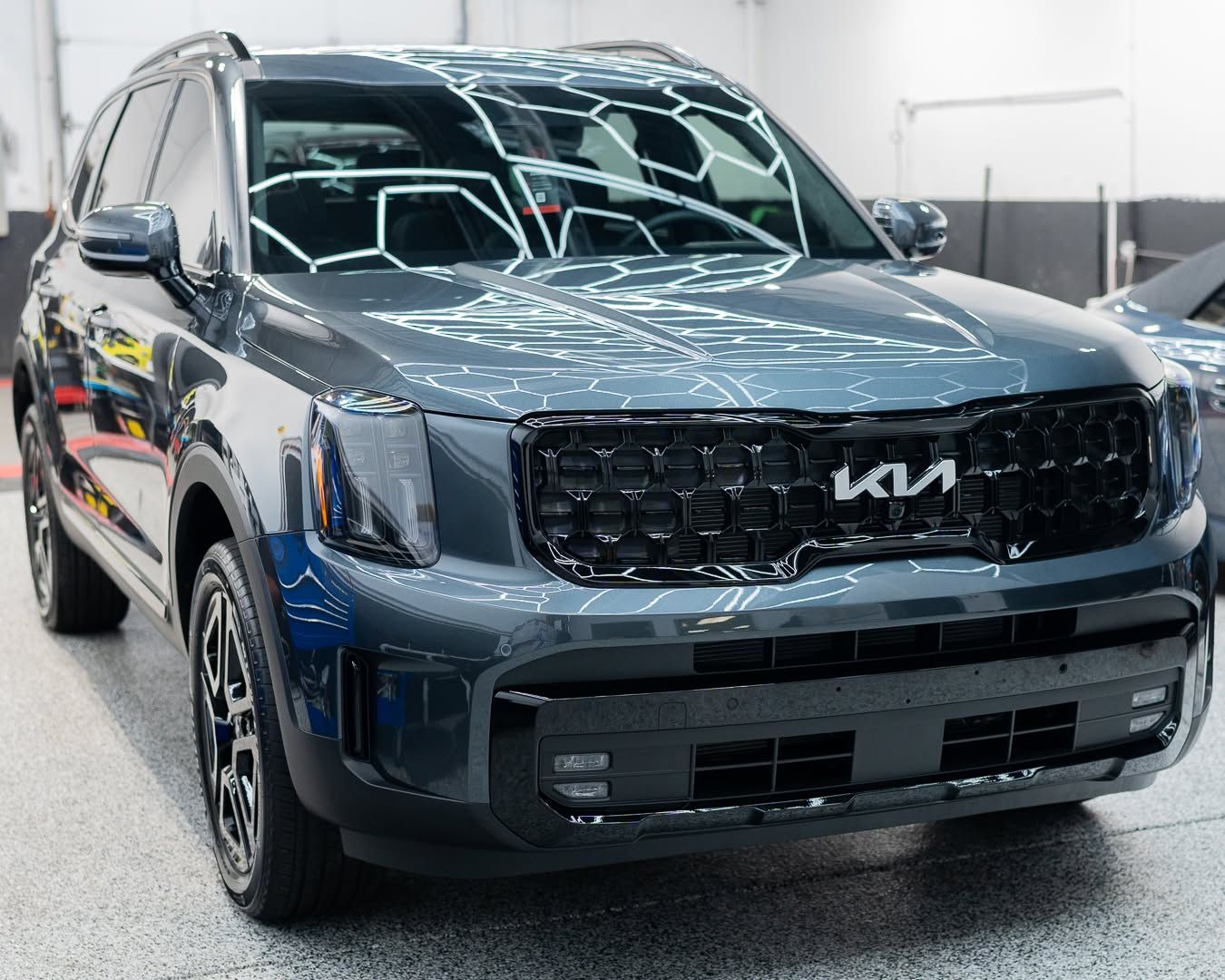
D’Andrea Auto Detailing takes this preparation seriously. For example, its Signature Ceramic Coating package includes deep exterior cleaning, paint correction, professional-grade coating on painted surfaces, coating for exterior plastics and trim, wheel coating, and windshield coating. This process demonstrates why professional installation involves more than simply applying a bottle of coating to the vehicle. Preparation has a major effect on both appearance and long-term coating performance.
Is Ceramic Coating Worth It for Daily-Driven Trucks and SUVs?
For many daily-driven trucks and SUVs, ceramic coating can provide substantial practical value because these vehicles frequently accumulate dirt in real-world conditions. Daily driving exposes paint to dust, rain, insects, road film, bird droppings, tree residue, and seasonal contaminants. In Carol Stream and the surrounding Illinois region, winter conditions can also bring slush, moisture, salt, and other road treatments. While ceramic coating will not make a vehicle immune to these materials, it can make the surface easier to clean and reduce how aggressively certain contaminants cling to the finish.
Consider an SUV that spends five days each week commuting, carrying children, running errands, and sitting outside at work. The owner may have little interest in spending every weekend waxing the vehicle. In that situation, ceramic coating for SUVs may offer meaningful value because it can support easier routine cleaning over a longer ownership period. The same applies to a pickup used for commuting during the week and outdoor recreation on weekends. A coated finish still requires washing, but the maintenance process can become more manageable.
Ceramic coating may be especially worthwhile when:
- The vehicle is parked outside for most of the day.
- The owner plans to keep the truck or SUV for several years.
- Winter road conditions are part of regular driving.
- The vehicle frequently collects mud, dust, insects, or road grime.
- The owner values a deep, glossy appearance.
- Frequent waxing is inconvenient or undesirable.
- Maintaining the vehicle’s condition is an important ownership goal.
However, an owner who rarely drives a garage-kept SUV may not receive the same practical benefit. Likewise, someone who replaces vehicles every year and has little concern about exterior appearance may have different priorities. The key is to evaluate the service based on real vehicle use rather than assuming every truck or SUV needs the same level of protection.
How Outdoor Parking Changes the Value of Ceramic Coating
Outdoor exposure is one of the strongest reasons to consider professional ceramic coating. Vehicles parked outside must continuously deal with sunlight, rain, airborne contaminants, pollen, dust, bird droppings, tree sap, and changing temperatures. Even when a vehicle is not moving, its paint is still exposed. Trucks and SUVs can be especially affected because their large horizontal surfaces, including roofs, hoods, and tonneau covers, provide more area for contaminants to settle.
A coating creates a surface that is easier to maintain when environmental material accumulates. Water tends to bead more effectively, and many contaminants can be removed more easily during proper washing. This does not mean owners can ignore bird droppings, tree sap, or other potentially harmful substances. These contaminants should still be removed promptly. However, a well-maintained coated surface can reduce the effort needed to keep the exterior clean over time.
For a truck or SUV that spends most nights in a garage, exterior exposure may be relatively controlled. In contrast, a vehicle parked in an open driveway every day receives continuous environmental exposure. Therefore, two owners driving identical vehicles can experience different levels of value from the same coating service. Parking conditions should be one of the first factors considered when deciding whether ceramic coating for trucks or SUVs makes financial sense.
The same logic applies to workplace parking. A truck that sits outdoors during an eight-hour workday may receive several thousand hours of annual exposure even if it is garage-kept overnight. Owners should think about the vehicle’s total environment rather than only where it stays at home.
Winter Salt, Road Grime, and Seasonal Driving in Carol Stream
Illinois weather creates additional maintenance challenges for vehicle owners. Winter roads can expose trucks and SUVs to a combination of moisture, slush, road film, dirt, and salt. These materials accumulate around rocker panels, lower doors, bumpers, wheel arches, wheels, and other areas close to the road. Larger SUVs and trucks may collect considerable contamination because of their broad lower body sections and wider tires.
Ceramic coating can help reduce how strongly some contaminants adhere to coated surfaces, which can make winter cleaning easier. However, it is important to understand the limitation. A ceramic coating should not be treated as a substitute for regular washing. Salt and winter grime should still be removed. Owners should also pay attention to underbody areas because paint coating generally does not protect the entire underside of the vehicle.
During winter, owners should follow a sensible maintenance routine:
- Wash the vehicle when weather conditions allow.
- Avoid allowing heavy salt buildup to remain for long periods.
- Focus on lower body panels and wheel areas where road grime collects.
- Use safe wash products rather than harsh household cleaners.
- Dry the vehicle properly when temperatures permit.
- Follow coating maintenance recommendations from the installer.
A properly maintained truck ceramic coating can make seasonal cleaning less frustrating. Water and wash solution can move across the surface more efficiently, while loose grime may release with less effort. This can be useful for large vehicles where a complete hand wash already requires more time than it would for a small car.
Maintenance Time: One of the Biggest Benefits for Large Vehicles
Maintenance time often matters more than owners initially realize. Washing a full-size SUV or pickup requires more water, more drying time, more physical effort, and often additional equipment to safely reach high areas. If the paint also needs periodic waxing, the total time commitment increases further. For owners with busy schedules, reducing this ongoing maintenance burden can become one of the most important reasons for choosing professional coating.
Ceramic coating does not eliminate washing. Claims suggesting that a coated vehicle becomes maintenance-free are unrealistic. Dirt still lands on the exterior, water still carries minerals, and road contamination still needs to be removed. However, coating can make routine cleaning more efficient because contaminants tend to release more easily from the slick, hydrophobic surface.
How to Maintain a Ceramic-Coated Truck or SUV
Owners should use a maintenance approach that protects coating performance instead of treating the vehicle like an unprotected finish. Proper washing methods help preserve hydrophobic behavior and appearance over time. At the same time, coating maintenance does not need to be complicated. Consistency matters more than aggressive cleaning.
A practical routine may include:
- Washing the vehicle regularly based on weather and driving conditions.
- Using a coating-safe automotive shampoo.
- Removing bird droppings and bug residue promptly.
- Avoiding abrasive brushes that can create paint defects.
- Using clean wash media and microfiber drying towels.
- Scheduling professional maintenance when recommended.
- Monitoring water behavior and surface slickness over time.
D’Andrea Auto Detailing recommends periodic coating maintenance for applicable packages. Its Essentials package, for example, requires a coating maintenance service every six to twelve months for warranty validity. Owners should factor this type of scheduled care into their buying decision. A coating performs best when it is treated as part of a long-term maintenance system rather than a one-time application that never requires attention again.
Gloss and Appearance: Does Ceramic Coating Make a Noticeable Difference?
Appearance is another major reason truck and SUV owners consider ceramic coating. Proper preparation followed by professional coating can increase gloss, depth, and visual clarity. On darker paint, this may create a deeper and richer finish. On lighter colors, the coating can improve reflectivity and make the exterior appear cleaner and more refined. Larger vehicles have broad panels that reflect more of their surroundings, so improvements in paint clarity can be especially noticeable.
However, much of the final appearance depends on preparation. Ceramic coating itself does not remove swirl marks, oxidation, marks, or wash defects. If a vehicle already has visible imperfections, polishing or paint correction may be recommended before the coating is applied. This is why professional coating packages often differ in price. Some include substantial correction work, while others use a lighter paint enhancement for newer or better-maintained vehicles.
For example, D’Andrea Auto Detailing’s Signature package includes a one-step paint correction designed to improve the finish before professional coating application. The Essentials option uses a lighter paint enhancement polish and may be more appropriate for newer or well-maintained vehicles that do not need extensive correction. Owners can review the availableCeramic Coating Services to understand how preparation and protection differ between packages.
For an older work truck with marks paint, the owner should decide whether appearance improvement is worth the additional preparation cost. In contrast, someone with a newer premium SUV may place much greater value on maintaining a high-gloss finish for several years.
What Ceramic Coating Cannot Do
One of the most important parts of evaluating is ceramic coating worth it is understanding its limitations. Ceramic coating is durable surface protection, but it is not armor. It cannot prevent every mark, paint chip, dent, or impact. It should not be confused with paint protection film, which is a physical film designed to provide a different type of protection against certain impacts and abrasions.
A coating can help reduce staining from some environmental contaminants when those contaminants are removed promptly. However, strongly acidic or corrosive substances can still affect the finish if left unattended. Hard water can still create mineral spotting. Improper washing can still introduce swirl marks. Automatic car wash brushes can still damage paint. Therefore, owners should not choose ceramic coating because they expect the vehicle to become immune to normal wear.
Ceramic coating does not:
- Prevent rock chips from highway driving.
- Eliminate the need for washing.
- Stop dents or impact damage.
- Repair existing marks automatically.
- Prevent all water spots.
- Replace proper vehicle care.
- Protect every mechanical or underbody component.
Understanding these limits helps owners make a better decision. The value of ceramic coating for trucks comes from improved surface behavior, easier maintenance, contamination resistance, and appearance enhancement. It should not be judged against unrealistic promises that no automotive surface product can deliver.
Cost of Ceramic Coating for Trucks and SUVs
Professional coating usually costs more for trucks and SUVs because these vehicles have larger surfaces and require more labor, preparation, coating product, and finishing time. The roof alone can add substantial working area compared with a small sedan. Large wheels, exterior plastics, truck beds, running boards, and other components may also affect how a package is designed.
At D’Andrea Auto Detailing, current listed package pricing reflects these vehicle-size differences. The Signature Ceramic Coating package starts at $2,195 for trucks and SUVs, while the Essentials Ceramic Coating package starts at $1,495 for trucks and SUVs. Pricing may vary based on vehicle size, paint condition, preparation needs, and package selection. Owners should always confirm the final quote before scheduling.
The larger question is whether that cost creates enough long-term value for the owner. One way to evaluate it is to think beyond the installation day. If the owner usually pays for detailing, regularly purchases wax or sealant products, spends many hours maintaining the vehicle, and plans to keep it for five or more years, professional coating may make sense. The value becomes less obvious for someone who rarely washes the vehicle and has no concern about appearance.
Owners should consider several cost factors:
- Initial installation price.
- Required paint correction or polishing.
- Vehicle size and surface area.
- Wheel, trim, glass, or additional surface coverage.
- Scheduled professional maintenance.
- Expected ownership length.
- Current spending on detailing and exterior protection.
Cost should therefore be viewed in relation to ownership habits. A $2,000 service can seem expensive when considered as a single purchase. However, someone keeping a premium truck or SUV for many years may view the same amount differently if it reduces repeated waxing and makes routine maintenance easier throughout that ownership period.
Does Ceramic Coating Help With Resale Value?
Ceramic coating does not guarantee a higher resale price. Vehicle value depends on many factors, including mileage, service history, accident history, mechanical condition, trim level, demand, age, and overall presentation. However, maintaining a cleaner and better-looking exterior may help support a stronger impression when the vehicle is eventually sold or traded.
Buyers often notice paint condition immediately. A truck covered in oxidation, heavy swirl marks, staining, or neglected environmental contamination may appear older than a similar vehicle with clear, glossy paint. Ceramic coating can support long-term appearance by making maintenance easier, but the benefit depends on the owner continuing to care for the vehicle.
This consideration may matter particularly for higher-value trucks and SUVs. Premium pickups, off-road models, luxury SUVs, performance SUVs, and high-trim vehicles can represent substantial investments. Owners who expect to sell after several years may want to preserve overall condition as carefully as possible.
Still, resale value should not be the only reason for choosing coating. It is more realistic to view ceramic coating as part of a broader preservation strategy. Regular washing, interior maintenance, proper mechanical care, paint protection, and careful driving all contribute to how a vehicle presents when it reaches the used market.
When Ceramic Coating Makes the Most Sense
There is no single answer that applies to every owner. However, certain ownership patterns make ceramic coating easier to justify. An owner who keeps a truck outside year-round, drives through Illinois winters, washes it regularly, and plans to keep it for six years is likely to receive more practical benefit than an owner who garages a rarely used SUV and plans to trade it next year.
The service makes the strongest case when several factors overlap. Frequent exterior exposure, long ownership periods, high maintenance expectations, premium vehicle value, and limited free time can all increase its usefulness.
Step by Step: Decide Whether Ceramic Coating Fits Your Vehicle
First, consider how long you expect to own the vehicle. Longer ownership generally creates more time to benefit from easier cleaning and reduced dependence on wax. Next, evaluate parking conditions. Outdoor parking increases exposure to environmental contamination. Then consider how often the vehicle is driven in rain, snow, mud, or dusty conditions. After that, think about your current maintenance routine and how much time you want to continue spending on it.
You should also inspect the current condition of the paint. A new or well-maintained vehicle may need less correction before coating. An older vehicle with heavy defects may require more preparation, increasing the total investment. Finally, compare the available coating package with your expectations. Do not simply select the longest-lasting or most expensive option. Choose the package that fits how you actually use the vehicle.
Ceramic coating is generally well suited to owners who:
- Plan to keep their vehicle for several years.
- Care about maintaining exterior appearance.
- Drive frequently in varied weather.
- Park outdoors regularly.
- Want easier routine washing.
- Prefer not to wax several times each year.
- Own a newer or well-maintained truck or SUV.
- Are willing to follow recommended coating maintenance.
Owners who meet only one or two of these conditions may still benefit, but the financial case may be less compelling. A thoughtful decision should balance appearance, time savings, maintenance expectations, and total ownership cost.
Who May Not Need Ceramic Coating?
Ceramic coating may not be necessary for every truck or SUV. Some owners simply do not care about maintaining a glossy finish, and that is a valid preference. A heavily used work truck that regularly receives marks, dents, material contact, or jobsite wear may not need premium appearance-focused protection. In that case, the owner may prioritize mechanical reliability and basic cleaning instead.
Short ownership periods can also reduce the value. If someone leases a vehicle and plans to return it relatively soon, they may not benefit from several years of coating durability. Similarly, a rarely driven SUV stored indoors may experience limited environmental exposure, making a professional coating less important.
Owners should also reconsider coating if they expect it to eliminate all maintenance. A coated vehicle still needs proper washing. Neglected coatings can accumulate road film, mineral deposits, and other contamination that reduce water behavior and appearance. Someone unwilling to perform any routine exterior care may not experience the full benefit.
Ceramic coating is therefore best viewed as a maintenance tool and long-term appearance investment. It supports good vehicle care. It does not replace it.
Professional Ceramic Coating vs. Short-Term Surface Protection
Truck and SUV owners have several ways to protect paint. Wax, synthetic sealants, spray protectants, and professional ceramic coatings all serve different needs. Traditional wax can provide gloss and water behavior at a lower initial cost, but it usually requires more frequent reapplication. Spray products are convenient but generally offer shorter durability. Professional coatings require a larger upfront investment but can provide longer-lasting performance when properly installed.
The right choice depends on how much maintenance the owner is willing to perform. Someone who enjoys detailing may be perfectly comfortable applying wax or sealant several times per year. In contrast, a busy owner may prefer to invest in longer-lasting protection and focus primarily on routine washing.
Professional application also includes preparation that many owners may not be equipped to complete at home. Paint correction requires the right tools, lighting, technique, products, and experience. Coating installation also demands careful surface preparation and application conditions. Improper installation can leave high spots, streaking, uneven appearance, or inconsistent performance.
That preparation is an important part of the price. Professional truck ceramic coating is not simply the cost of a coating product. It includes inspection, preparation, correction or polishing where needed, controlled application, and professional finishing.
Final Decision
For many truck and SUV owners, ceramic coating is worth considering when the vehicle is driven frequently, parked outdoors, exposed to Illinois weather, or expected to remain in the household for several years. The biggest benefits are not based on making the paint indestructible. Instead, the value comes from easier washing, strong hydrophobic behavior, reduced dependence on frequent waxing, improved gloss, and greater resistance to common environmental contamination.
The larger size of trucks and SUVs makes these benefits particularly relevant. Owners already spend more time washing and drying these vehicles because there is more surface area to manage. A professionally coated surface can make that routine more efficient. Meanwhile, owners who place a high value on appearance may appreciate the deeper gloss and clearer finish created by proper paint preparation and coating.
However, the service should match actual ownership needs. Someone who plans to keep a premium SUV for six years and parks outdoors every day will likely evaluate the investment differently than someone who plans to sell an older work truck within twelve months. Parking conditions, ownership length, winter use, paint condition, maintenance habits, and budget should all influence the decision.
For truck and SUV owners in Carol Stream who want professional guidance, D’Andrea Auto Detailing offers coating packages designed for different vehicle conditions and protection goals. Our team can evaluate the paint, explain preparation needs, and help determine whether an Essentials or more comprehensive Signature approach makes sense for your vehicle. Professional ceramic coating can be especially useful when you want to maintain gloss, simplify regular washing, and protect a frequently driven truck or SUV from everyday environmental exposure without relying on constant waxing.
Ready to protect your truck or SUV with long-term professional surface protection? Explore D’Andrea Auto Detailing’s
Ceramic Coating Services in Carol Stream, IL
and request a quote for your vehicle today.
