
Professional PPF Explained: Reduced Need for Paint Touch-Ups and Cost-Effective Vehicle Protection
February 19, 2026
If you have ever worried about minor surface imperfections affecting your vehicle’s finish, you are not alone. Maintaining a clean, polished appearance can feel like an ongoing challenge against road debris, insect residue, and prolonged sun exposure. Professional paint protection film (PPF) offers a refined solution, creating a clear, durable barrier that helps preserve your paint while maintaining the original look of your vehicle. It is more than just a clear layer; it is a carefully designed shield that helps your paint stay smooth longer and saves you from frequent touch-ups.
What Is Professional PPF?
Professional PPF is a carefully engineered layer designed to absorb impacts and prevent damage from everyday hazards like stone chips, road debris, and minor abrasions. Unlike consumer-grade wraps, a professionally installed PPF involves precision cutting and application tailored to your vehicle's contours. This ensures full coverage without bubbles, wrinkles, or lifted edges, which can compromise both protection and appearance. The core of the film is made from thermoplastic urethane, a material that combines flexibility with toughness. It is thick enough to absorb impacts that would otherwise damage the paint surface below, yet thin enough to maintain the vehicle's sleek look. Its high clarity means the paint beneath remains virtually untouched, preserving the original color and finish while adding a nearly invisible layer of defense.
Many professional-grade films also feature self-healing properties. Minor surface scratches can disappear when exposed to heat from sunlight or warm water, making everyday imperfections vanish without any intervention. This reduces the need for frequent touch-ups and repainting, saving money over time while keeping your vehicle looking fresh years after the initial application. UV protection is another important element built into quality PPF. Constant exposure to sunlight accelerates paint fading and oxidation. The film filters out damaging UV rays, extending the paint's vibrancy and lifespan. Over years of sun exposure, this protection keeps the exterior looking vibrant, which can substantially improve resale value.
Benefits of PPF for Your Vehicle's Paint
One of the most compelling reasons to invest in professional PPF installation is the strong shield it creates between your vehicle's paint and the harsh elements it faces daily. Whether you are driving through loose gravel or dealing with insects on the highway, PPF absorbs and deflects those impacts, drastically reducing the need for touch-ups caused by minor abrasions or stains. This barrier also protects against corrosive materials like bird droppings and tree sap. These substances, if left unchecked, eat away at the clear coat and paint layers, leading to discoloration and long-term damage that requires costly repairs. Keeping such contaminants at bay through PPF saves both money and hassle.
PPF also plays a significant role in preserving your vehicle's resale value. Cars with well-maintained, blemish-free exteriors consistently fetch higher prices when sold. Since PPF maintains the pristine condition of your paintwork by preventing chips and stains, it effectively becomes an investment in the vehicle's future worth. The upfront cost of applying PPF often pays for itself by boosting resale returns down the road. Beyond protection, PPF offers aesthetic flexibility. Top-tier films are designed to be virtually invisible, maintaining every curve and finish as the manufacturer intended. Owners can also choose between gloss finishes that enhance shine and matte finishes that provide a subtle, sophisticated look, allowing both beauty and durability without compromise.
The Application Process
Applying PPF demands a blend of craftsmanship and precision. It begins long before the film touches the car's surface, as preparation is everything. First, the vehicle undergoes a thorough washing to remove every trace of dirt and grease. Any debris left behind can cause imperfections beneath the film, leading to bubbling or peeling later on. A key part of this step involves decontamination to eliminate invisible particles that plain washing cannot remove.
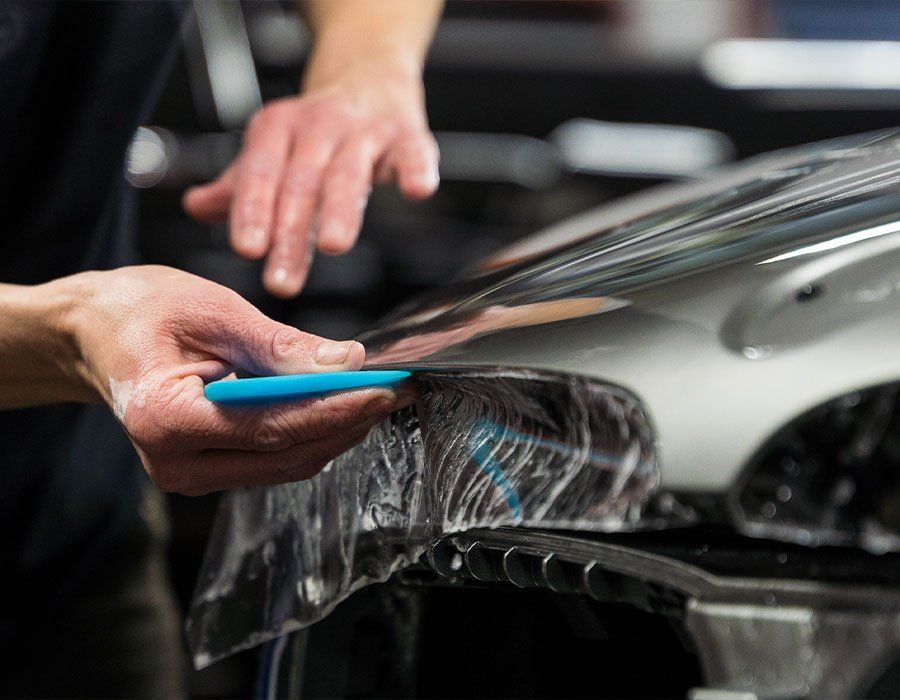
After prepping the vehicle, the focus shifts to cutting the PPF. Professional PPF installers rely on computer-generated templates tailored for each specific vehicle make and model. These precise patterns ensure that every curve and angle of the car's body is perfectly covered without excess material that might buckle or wrinkle over time. The actual application stage requires patience and skill. Technicians use specialized solutions to position the film carefully on the vehicle's surface, allowing enough maneuverability to align the film precisely before it adheres.
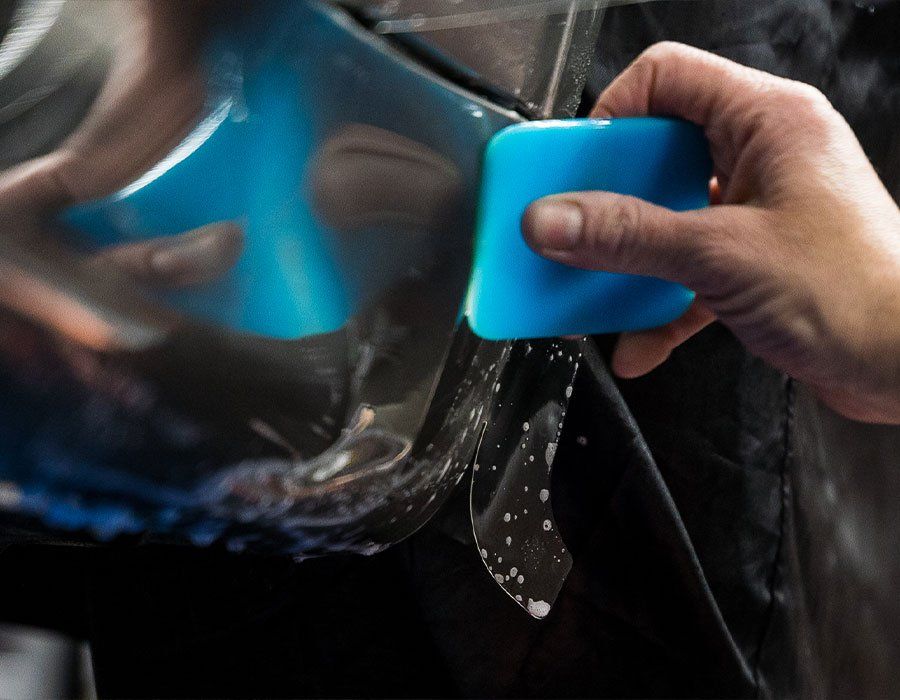
Once aligned, they use soft-edged squeegees to gently push out trapped air bubbles and excess solution, ensuring a flawless finish and preventing future peeling. Curing follows the application and is just as critical. This phase allows the film's adhesive to solidify and form a permanent bond with the paintwork, typically lasting between 24 and 48 hours. During this period, the vehicle should be kept away from moisture, extreme temperatures, and harsh physical contact. Proper curing guarantees longevity and preserves the clarity and self-healing properties that make PPF so effective.
Is PPF Cost-Effective?
Although the upfront investment in PPF might give some pause, its economic advantages become clear when viewed over the lifespan of a vehicle. Routine repainting and touch-ups add up quickly, especially for drivers who want to keep their car looking its best. To appreciate this cost-effectiveness, consider how much repainting alone can cost. A modest repair or spot touch-up might run several hundred dollars, while larger-scale repainting projects can reach into the thousands.
Investing in PPF upfront means reducing or even eliminating these expenses because the protective layer absorbs most of the damage instead of the vehicle's original paint. PPF's self-healing technology also plays a significant role in long-term savings. Minor scratches can disappear with a bit of warmth, meaning fewer visits to the body shop and less money spent on touch-ups. Over the years, these cumulative savings can easily outweigh the initial installation cost.
Durability and Lifespan
PPF is widely recognized for its impressive durability, making it one of the most reliable solutions for long-term paint protection. The quality of the film itself sets the foundation. High-quality films are crafted with advanced polymer blends engineered to withstand abrasions, UV exposure, and discoloration, with lifespans that can extend beyond a decade. Clarity and flexibility also matter, especially when covering complex curves without peeling or bubbling. Professional installation is equally important in preserving the integrity of the film. A skilled installer ensures precise cutting, seamless edges, and bubble-free adhesion, each detail preventing weak spots where dirt or moisture can infiltrate.
Installation errors are a common cause of early peeling or lifting that shortens a film's lifespan. Maintenance after installation completes the picture. Regular cleaning with pH-neutral soap and non-abrasive tools prevents micro-scratches that dull the film's surface. Occasional professional detailing can also refresh the top coat's hydrophobic properties, helping repel dirt and contaminants for longer. Neglecting maintenance accelerates wear, cloudiness, and staining that diminishes the film's effectiveness over time.
Choosing the Right Installer
The effectiveness of any PPF depends heavily on the skill and experience of the installer. Look for technicians who carry certification from reputable film manufacturers, as these credentials indicate rigorous training and a thorough understanding of the product. Certified installers also have access to manufacturer resources and support, which often translates into better results. Take time to read reviews and testimonials from previous customers. Authentic feedback reveals strengths and weaknesses that glossy brochures cannot. Focus on details such as communication, adherence to timelines, and satisfaction with both the aesthetic outcome and long-term durability. Patterns of recurring complaints should serve as red flags.
Asking for a portfolio of past work is also a smart move. A quality installer will be proud to showcase their craftsmanship. Look closely at how cleanly the film edges are aligned along curves and seams, and check for the absence of bubbles or wrinkles. Finally, scrutinize warranty offerings carefully. Ensure the installer provides a solid warranty covering issues such as lifting edges or damage caused by poor application, as this signals their commitment to customer satisfaction.
Professional PPF is more than a cosmetic upgrade; it is a strategic investment in your vehicle's long-term appearance and value. By combining high-quality materials, expert installation, and consistent maintenance, PPF delivers lasting protection that minimizes costly repairs and keeps your car looking its best for years to come. For any driver serious about preserving their vehicle's finish, professional paint protection film is a practical and financially sound choice.
Clear Defense for Every Drive in Carol Stream
Protect your investment with
expert paint protection film services from D'Andrea Detail | PPF • Ceramic Coating • Window Tint in Carol Stream, IL. Our professional PPF installations are designed for precise coverage, seamless edges, and long-term durability that helps reduce the need for costly paint touch-ups. Whether you want to safeguard high-impact areas or wrap your entire vehicle in a nearly invisible shield, their team delivers clean results that preserve both appearance and value.
Schedule your consultation today
and experience dependable paint protection film installation tailored to your vehicle!
