
Partial Front PPF vs Full Front Protection: Which Is Right for Your Vehicle?
May 20, 2026
Choosing the right level of paint protection for your vehicle can feel overwhelming. With roads full of debris, unpredictable weather, and daily wear and tear, your car’s front end is particularly vulnerable to chips, scratches, and damage. This is why understanding the difference between partial front PPF vs full front protection is essential. The choice you make will directly affect your vehicle’s appearance, resale value, and long-term maintenance costs.
At D’Andrea Auto Detailing, we specialize in premium paint protection film (PPF) installations in Illinois. Our goal is to help drivers protect their vehicles effectively while maximizing value. Whether you’re considering partial front PPF or full front protection, we provide expert guidance and professional installation to ensure the best results for your specific needs.
This guide breaks down everything you need to know, including protection coverage, cost considerations, durability, and who benefits most from each option. By the end, you’ll understand which solution best fits your lifestyle, driving habits, and budget.
1. Partial Front PPF vs Full Front Protection
Paint Protection Film, or PPF, is a durable, transparent urethane layer applied to a vehicle’s paint surfaces. Originally developed for military and commercial applications, modern PPF shields your car from Stone chips, Bug acids, Minor scratches & Environmental contaminants such as bird droppings and tree sap.
PPF works by absorbing impact and scratches while preserving your vehicle’s finish. Most high-quality films are self-healing, which means minor scratches vanish with heat exposure from the sun or warm water.
Partial Front PPF
Partial front PPF protects the most vulnerable areas of your vehicle, including:
- Front bumper
- Partial hood
- Mirror caps
- Partial front fenders
This option is ideal for daily drivers who encounter moderate debris and want essential coverage at a lower cost. Packages start at $1,450, but note: schedule a call to get exact prices based on your vehicle and customization needs.
Full Front Protection
Full front protection provides comprehensive coverage of the vehicle’s entire front end, including:
- Front bumper
- Full hood
- Mirrors
- Full front fenders
This is the best choice for high-speed driving, long highway commutes, and vehicles stored outdoors or in areas prone to road debris. Packages start at $2,395, with a note to call to get exact pricing and a customized quote.
The primary difference between the two options lies in the amount of coverage, level of protection, and potential long-term value.
2. Why Compare Partial Front PPF vs Full Front Protection
Understanding the benefits of each option is crucial for making an informed decision. Here’s a breakdown:
Benefits of Partial Front PPF
- Cost-effective: Protects key areas at a lower investment.
- Essential coverage: Shields high-impact zones like the front bumper and partial hood.
- Quick installation: Typically takes less time than full front coverage.
- Low maintenance: Easy to clean and maintain, with minimal care required.
Benefits of Full Front Protection
- Maximum coverage: Protects all vulnerable surfaces, including fenders and full hood.
- Enhanced durability: Reduces risk of chips and scratches in high-speed driving or rough conditions.
- Preserves resale value: Full coverage keeps paint in showroom condition for longer.
- Long-term investment: Less likely to need touch-ups or repairs over time.
3. Where Each PPF Option Shines
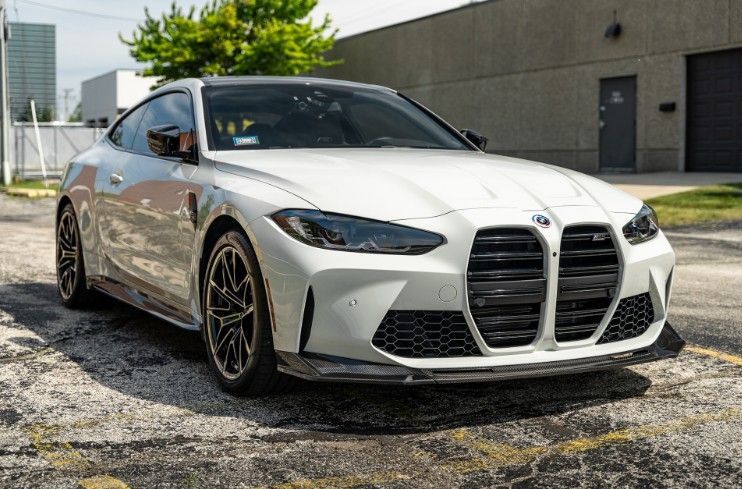
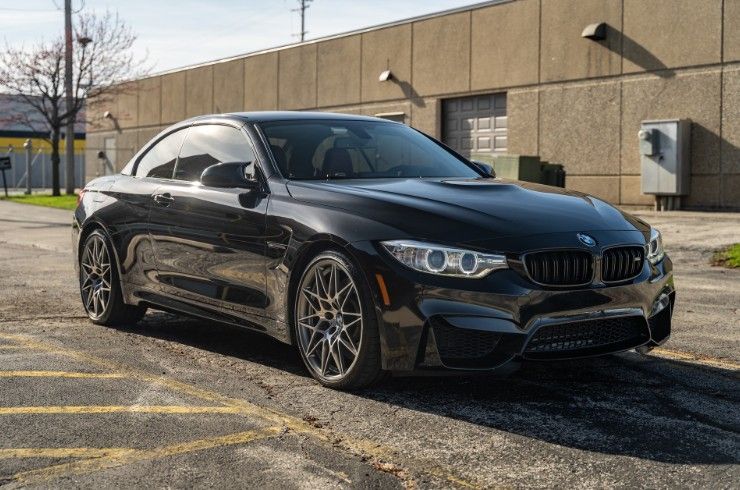
Choosing the right paint protection film depends heavily on the environment and driving conditions your vehicle faces daily. Partial front PPF vs full front protection offers distinct advantages depending on where and how you drive. For urban and city drivers, partial front PPF often provides sufficient coverage. It protects the most vulnerable areas—front bumper, partial hood, mirror caps, and partial fenders—without the higher investment of full front coverage. City driving typically involves lower speeds, stop-and-go traffic, and exposure to minor debris, making partial protection a practical choice. Drivers in these conditions benefit from cost-effective defense against rock chips, minor scratches, and daily wear while keeping installation time and maintenance relatively low.
For those who frequently drive on highways, rural roads, or areas prone to gravel and road debris, full front protection is the superior choice. Full front protection shields the entire hood, front fenders, mirrors, and bumper, offering comprehensive coverage where high-speed impacts are more likely. In addition, vehicles stored outdoors or in regions with extreme weather conditions, such as intense sun, heavy rain, or snowfall, gain the most from full front PPF. It helps prevent long-term paint damage, fading, and corrosion, maintaining the vehicle’s aesthetic appeal and resale value. By understanding the differences in coverage and protection, drivers can confidently decide between partial front PPF vs full front protection to match their driving habits, location, and long-term investment goals.
4. Who Benefits Most from Each PPF Type
Understanding which drivers benefit most from partial front PPF vs full front protection helps ensure you choose the right level of coverage for your vehicle. Partial front protection is ideal for city commuters, casual drivers, and budget-conscious vehicle owners. These drivers typically face lower-speed traffic, minimal highway exposure, and less frequent encounters with debris or gravel. Partial coverage shields the front bumper, mirror caps, partial hood, and fenders, protecting the areas most likely to sustain everyday damage. It is especially suitable for daily commuters, new drivers, or vehicles stored indoors, providing essential protection without the higher cost of full front coverage.
On the other hand, full front protection is best suited for high-speed commuters, luxury or performance vehicle owners, and cars regularly exposed to harsh environmental conditions. Drivers who frequently travel long distances on highways or rural roads face higher risks of rock chips, insect damage, and other paint hazards. Full front PPF covers the entire hood, mirrors, front fenders, and bumper, offering complete defense against these risks. Additionally, owners of outdoor-stored vehicles or high-value cars gain significant benefits from full coverage, as it helps preserve paint integrity, maintain aesthetic appeal, and protect resale value. By evaluating driving patterns, storage conditions, and vehicle type, you can determine which option partial front PPF vs full front protection delivers the most value and long-term protection for your car.
5. Target Audiences for Partial Front Protection
Partial front PPF is designed for drivers who need essential coverage without the higher cost of full front protection. The ideal target audiences include:
- City commuters – Drivers who mostly navigate urban streets with stop-and-go traffic.
- Daily short-distance drivers – Vehicles that spend most time in residential or office areas.
- Budget-conscious owners – Those who want protection for key areas without a full-front investment.
- New drivers or first-time car owners – Who want basic protection for vulnerable paint areas.
- Indoor-stored vehicles – Cars parked in garages or protected lots, with minimal exposure to debris.
- Low-risk drivers – Those driving at lower speeds and fewer highway miles.
6. Target Audiences for Full Front Protection
Full front PPF provides maximum coverage, ideal for drivers looking for complete protection and long-term value. The target audiences include:
- Highway commuters – Drivers traveling long distances at high speeds, exposed to rocks and debris.
- Performance or sports car owners – Vehicles with high-value paint or finishes that need full coverage.
- Luxury vehicle owners – Those protecting expensive cars from scratches, chips, and environmental damage.
- Outdoor-stored vehicles – Cars parked outside in areas with sun, rain, or debris exposure.
- Long-term owners – Drivers planning to keep their car for many years and maintain resale value.
High-risk drivers – Vehicles frequently exposed to gravel roads, construction zones, or harsh climates.
7. Durability, Aesthetics & Cost: Deep Comparison
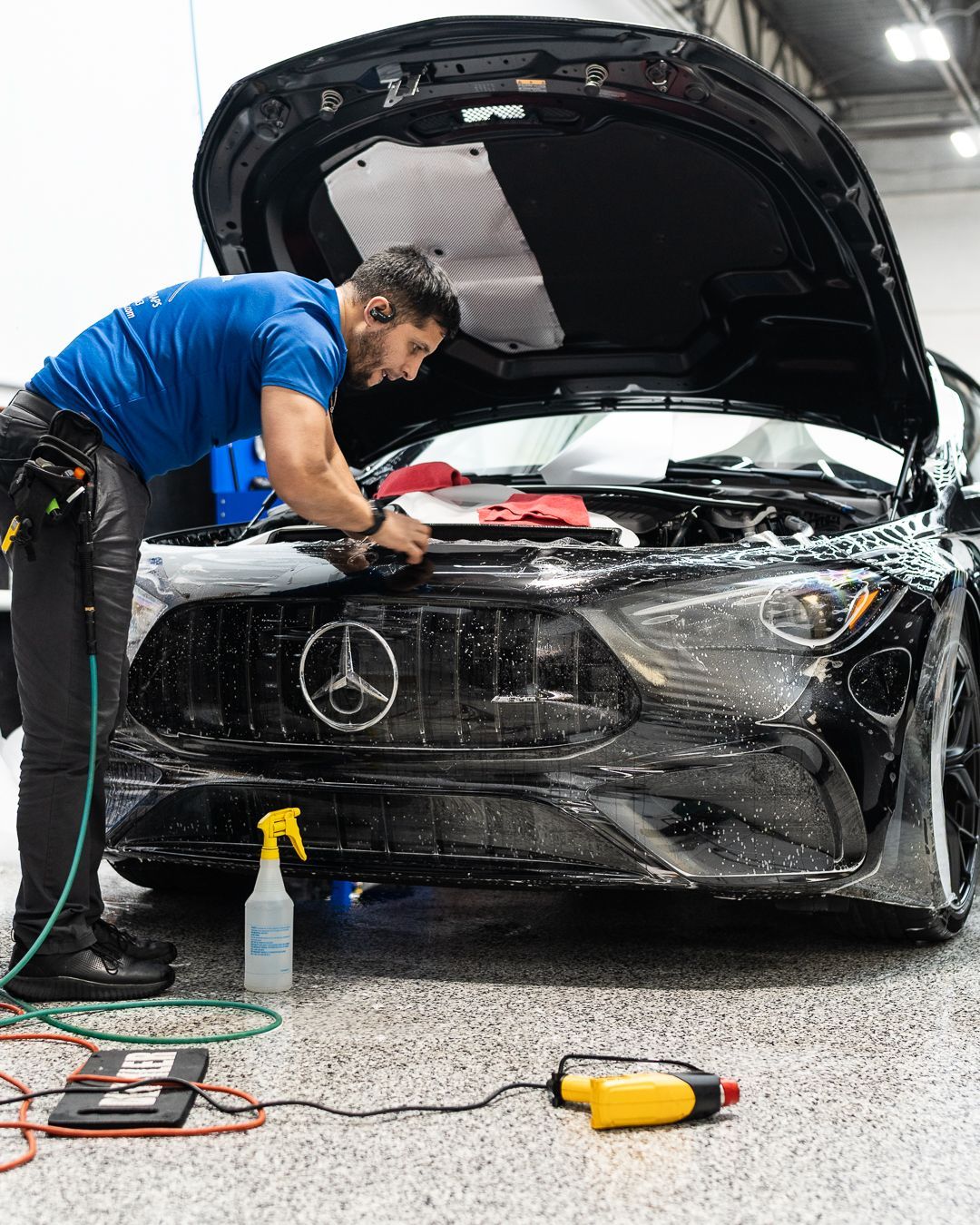
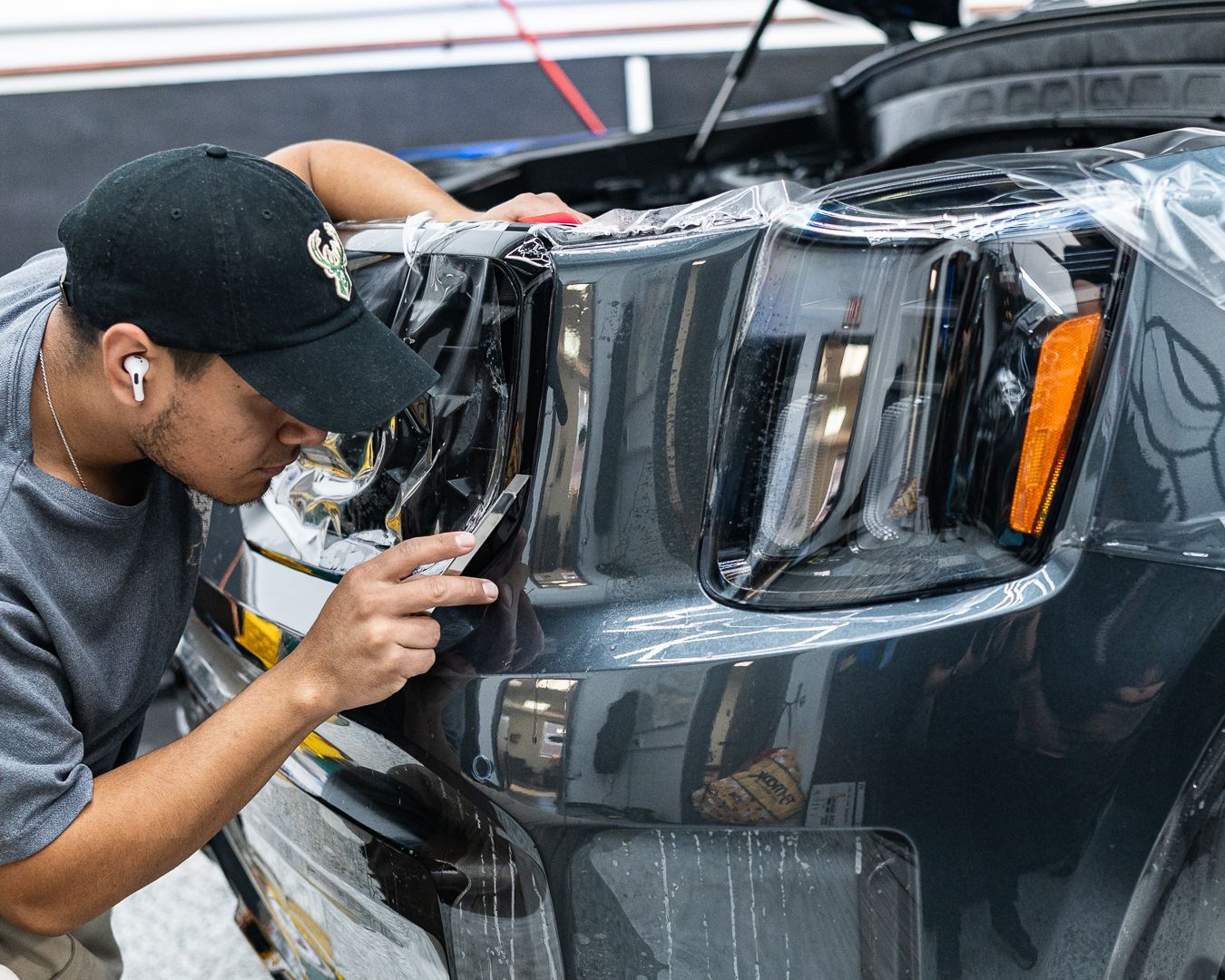
When deciding between partial front PPF vs full front protection, it’s important to consider durability, aesthetics, and cost to ensure the best long-term value. Partial front PPF provides essential protection for the most vulnerable areas of your vehicle, including the front bumper, partial hood, mirror caps, and partial fenders. This option is cost-effective, making it ideal for city drivers or daily commuters who want to prevent common damage such as stone chips, minor scratches, and bug marks. While partial coverage protects critical zones, areas not covered remain exposed, which could lead to paint damage over time. The aesthetic impact is subtle, as the film is virtually invisible and maintains the car’s original finish, keeping your vehicle looking clean and polished without a major upfront investment.
Full front protection, on the other hand, delivers comprehensive coverage for the entire hood, front fenders, mirrors, and bumper. This provides maximum durability against high-speed debris, road hazards, and environmental damage. Vehicles that frequently drive on highways, rural roads, or face harsh weather conditions benefit most from full front protection because it maintains paint integrity, prevents long-term fading, and preserves the vehicle’s resale value. Although the initial cost is higher, the added protection often offsets future repair expenses. Packages for both options are competitively priced, with partial front protection starting at $1,450 and full front protection starting at $2,395, however, it is recommended to schedule a call to get exact prices based on your vehicle and specific requirements. Ultimately, choosing the right option depends on your driving habits, exposure to risks, and the level of protection you want for your vehicle’s front end.
Conclusion
Deciding between partial front PPF vs full front protection depends on your driving habits, exposure to road debris, and vehicle type. Partial front protection is ideal for city commuters, short-distance drivers, or vehicles mostly stored indoors. It covers high-impact areas like the front bumper, partial hood, mirror caps, and partial fenders, providing essential protection while keeping costs lower. This option helps prevent common paint damage, maintains your car’s aesthetic appeal, and offers a cost-effective way to safeguard your vehicle without compromising style.
Full front protection, in contrast, delivers comprehensive coverage for the entire front end, including full hood, fenders, mirrors, and bumper. It is best suited for highway commuters, long-distance drivers, luxury or performance vehicle owners, and vehicles exposed to harsh environmental conditions. While the initial investment is higher, full front PPF provides maximum durability, preserves paint integrity, and supports long-term resale value. Packages for both options start at competitive rates—partial front at $1,450 and full front at $2,395—but it’s recommended to schedule a call to get exact prices for your specific vehicle. Protect your investment and keep your car looking showroom-fresh by contacting
D’Andrea Auto Detailing today to discuss the best paint protection option for your needs.
