
How Professionals Handle Complex Body Lines During Ceramic Coating Application
April 17, 2026
Modern vehicles look stunning. However, their design is not simple anymore. Sharp creases, aggressive curves, tight edges, and recessed panels make detailing more challenging than ever. This becomes especially critical during ceramic coating application, where precision directly impacts durability, gloss, and protection. Many car owners assume coating is just applying a liquid layer. In reality, it is a highly technical process. Professionals must adapt their technique based on panel shape, paint condition, and environmental factors. Without proper handling, uneven coating, high spots, or weak bonding can occur—especially around complex body lines.
At D’Andrea Auto Detailing, we specialize in delivering high-quality ceramic coating service solutions that go beyond surface-level application. Our team in Carol Stream focuses on perfection before protection. We correct paint, map surfaces, and apply coatings with precision to ensure long-term performance. If you're searching for ceramic coating Carol Stream, our approach ensures your vehicle receives expert-level care from start to finish.
This guide breaks down how professionals handle intricate body lines during coating. It also explains why expertise matters and how proper techniques lead to superior results.
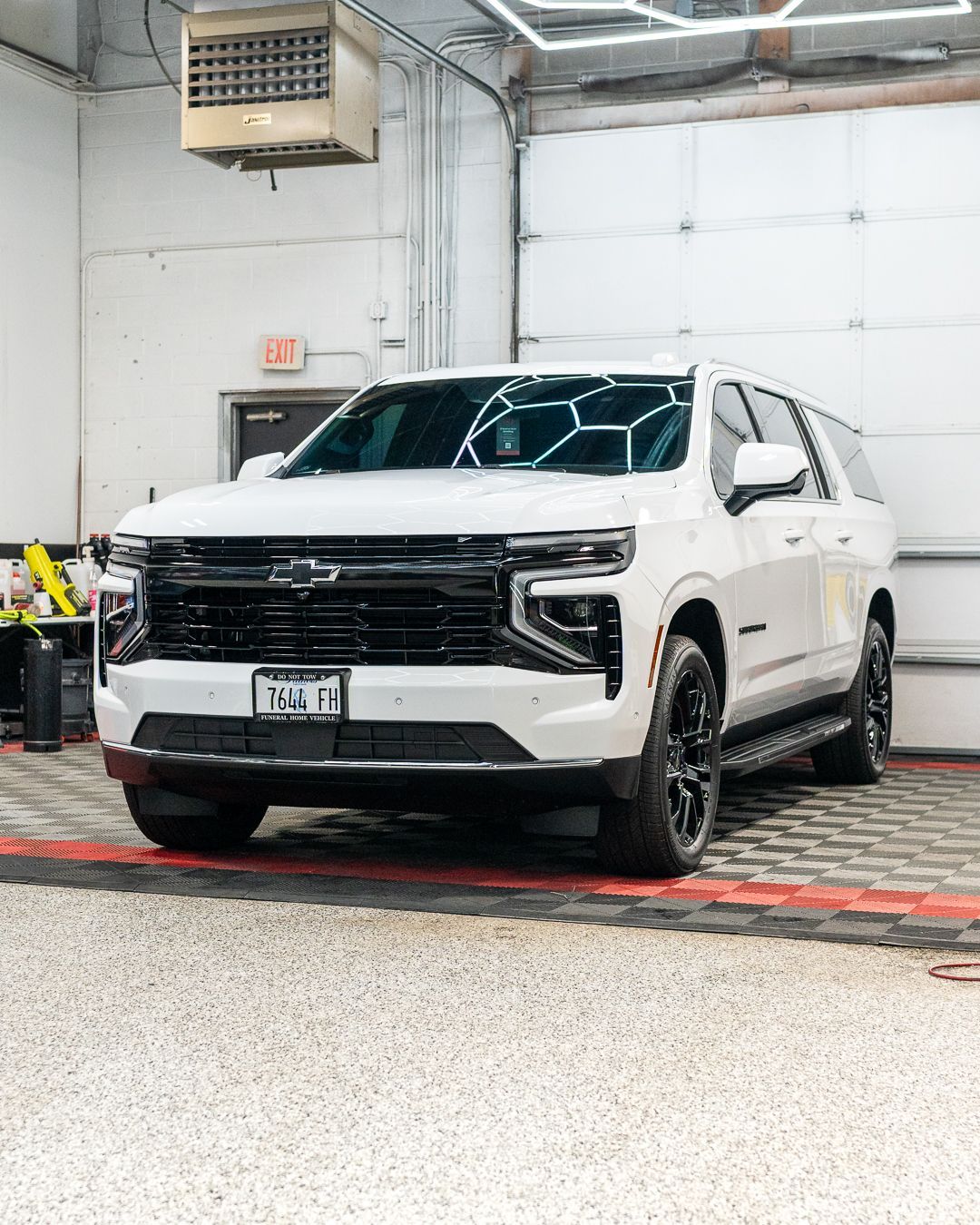
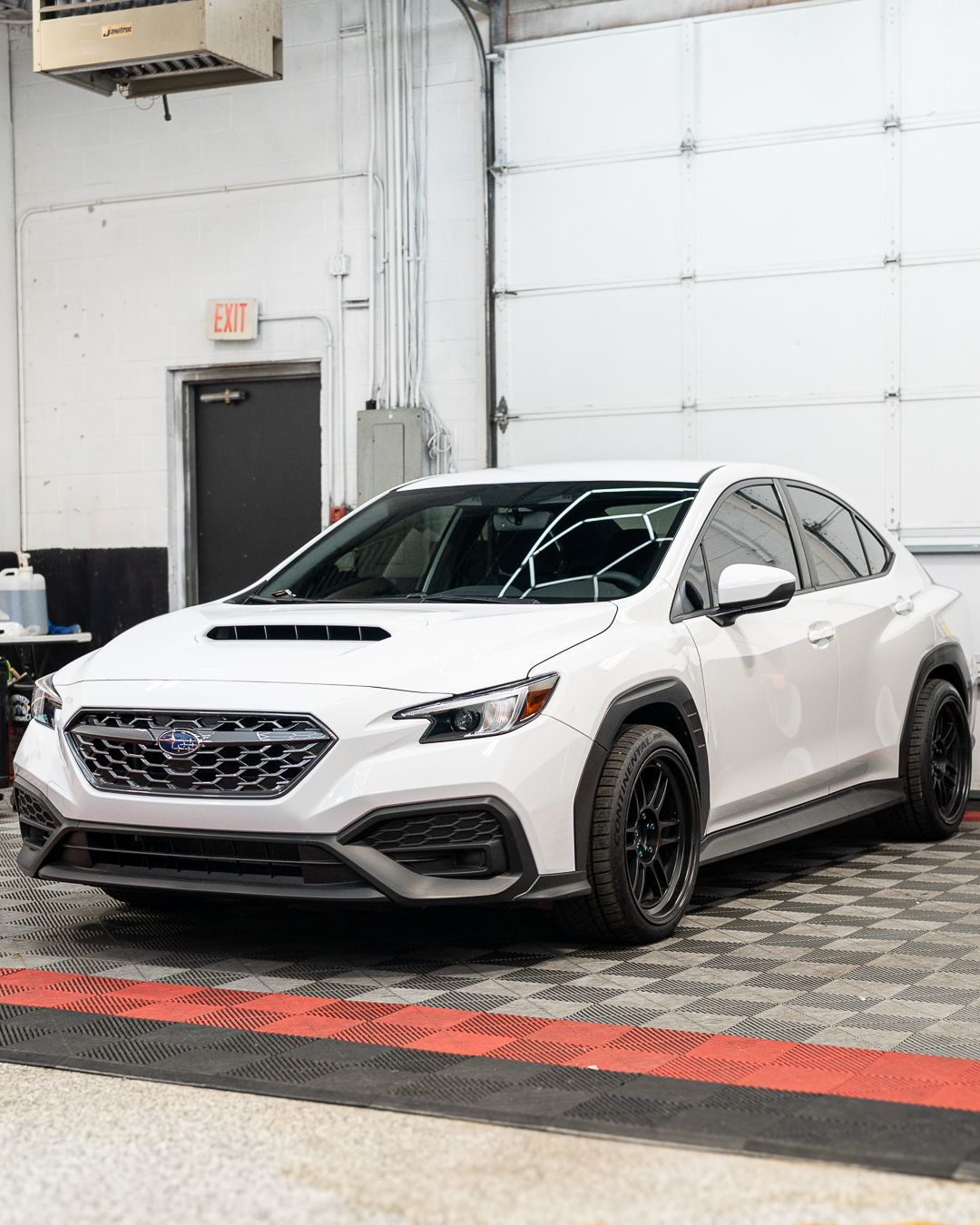
1. How Professionals Handle Complex Body Lines Step by Step
Step 1: Paint Preparation and Surface Correction
Before applying any ceramic coating, professionals focus on paint preparation. This stage determines how well the coating bonds and how the final finish looks. Without proper prep, even the best coating will fail to perform. Ceramic coatings bond directly to the clear coat. If the surface has swirl marks, oxidation, those defects get locked in. As a result, imperfections become more visible under the added gloss. That is why experts offering ceramic coating service Carol Stream always begin with paint correction.
To fix imperfections, professionals use multi-stage polishing. First, cutting compounds remove deeper marks. Then polishing stages restore clarity and shine. Finally, finishing polishes smooth the surface and remove fine marks. After that, a panel wipe removes oils and residues to prepare the paint for bonding. Curves and edges require extra attention. These areas often trap dirt and residue. If not cleaned properly, the coating may not bond evenly. Professionals use microfiber applicators, detail brushes, and multiple wipe-downs. This ensures consistent performance across every contour.
Step 2: Panel Mapping and Strategic Application Planning
Once the surface is ready, professionals do not rush. Instead, they plan the application carefully. This step helps avoid mistakes and ensures even coverage. Large panels are divided into smaller sections. For example, a hood may be split into four parts. Doors are often separated into upper and lower areas. Fenders are treated individually due to their shape. This approach allows better control during application and leveling.
Flash time is another key factor. It refers to how quickly the coating starts curing. It depends on temperature, humidity, and panel shape. Curved surfaces often flash differently than flat ones. Therefore, professionals adjust their timing to avoid uneven results. When working on tight curves and sharp lines, technique changes. Professionals use less product and apply shorter strokes. They also watch reflections closely. This prevents buildup along edges and keeps the finish even.
Step 3: Controlled Application on Edges and Contours
This stage requires precision. Applying ceramic coating on flat panels is easier, but edges and contours are more challenging. Mistakes here can affect the final look. Professionals use minimal product, especially near edges. Too much coating can create streaks or high spots. Thin, even layers help ensure proper curing and a clean finish.
Sharp edges need special care. Experts often apply coating lightly along the edge first. They use smaller applicators for better control. Then they blend the coating outward into the panel. This keeps the finish smooth and consistent. To prevent over-application, professionals work in small sections. They reload applicators less often and monitor reflections constantly. This careful process helps achieve a flawless result without defects.
Step 4: Precision Leveling and High Spot Removal
After application, leveling is essential. This step removes excess coating before it cures. High spots are areas where too much coating remains. They appear as dark patches or streaks after curing. These are common on curved panels, edges, and recessed areas. Professionals use specialized lighting to detect these issues. LED lights and color-corrected lighting reveal imperfections clearly. Multi-angle inspection helps identify spots that are hard to see.
Curved panels make this step more important. Light reflects differently on curves, making defects more noticeable. To fix this, professionals use clean microfiber towels to level the coating right away. They also re-check from different angles to ensure uniformity.
Step 5: Final Inspection and Cure Optimization
The final stage ensures long-term durability. Even after leveling, professionals perform a detailed inspection.They check every panel under multiple lighting angles. This helps identify missed spots, uneven gloss, or leftover high spots. Any issue is corrected before the coating fully cures.
A properly applied ceramic coating should look even and smooth. It should reflect light consistently and feel slick to the touch. If anything looks off, adjustments are made immediately. Curing is the last step. Professionals control temperature, humidity, and timing. Some use infrared lamps to speed up the process. Proper curing ensures strong bonding and long-lasting protection.
2. What Tools and Technology Professionals Use for Perfect Results
Professional results require professional tools. DIY methods often fail because they lack precision equipment.
Here are essential tools used in a high-quality ceramic coating service:
- Dual-action polishers for paint correction
- High-lumen LED inspection lights
- Infrared curing lamps for faster curing
- Microfiber applicators for detailed areas
- Panel wipe solutions for contamination removal
Additionally, professionals use advanced coatings like those found in ceramic coating technology to ensure superior bonding and protection. These tools allow experts to work efficiently on complex body lines without compromising quality.
3. Why Complex Body Lines Are the Hardest Part of Ceramic Coating
Modern vehicles are designed with sharp edges, aggressive curves, and detailed contours. While these features enhance the overall look of the car, they make ceramic coating application much more difficult. Unlike flat panels, complex body lines create uneven surfaces where the coating can spread inconsistently. This increases the risk of streaks, high spots, and uneven gloss if not handled correctly. One of the biggest challenges is how coating behaves on curved and angled surfaces. On flat panels, the product spreads evenly and is easier to level. However, on curves and tight edges, the coating can pool or thin out depending on the angle. As a result, professionals must constantly adjust their technique to maintain consistency. Without experience, it becomes very easy to over-apply or miss certain areas entirely.
Another issue is visibility. Complex body lines reflect light differently, which makes it harder to spot imperfections during application. High spots or uneven layers may not be visible immediately. This is why improper application often shows up only after the coating has cured. At that point, correction becomes more difficult and time-consuming. Edges, trim lines, and recessed areas also increase the difficulty level. These areas are prone to product buildup because they naturally collect more coating during application. At the same time, they are harder to access and require smaller tools and more precise movements. This combination makes them high-risk zones for defects.
At
D’Andrea Auto Detailing, we address these challenges with a structured and professional approach. Our team understands how
ceramic coating reacts on different surfaces, especially complex body lines. We carefully map each panel and adjust our application technique based on the shape and design of the vehicle. This allows us to maintain even coverage across every contour. We also use advanced lighting systems to improve visibility during the process. By inspecting panels from multiple angles, we can detect high spots and inconsistencies before the coating cures. This ensures a flawless finish even on the most intricate designs.
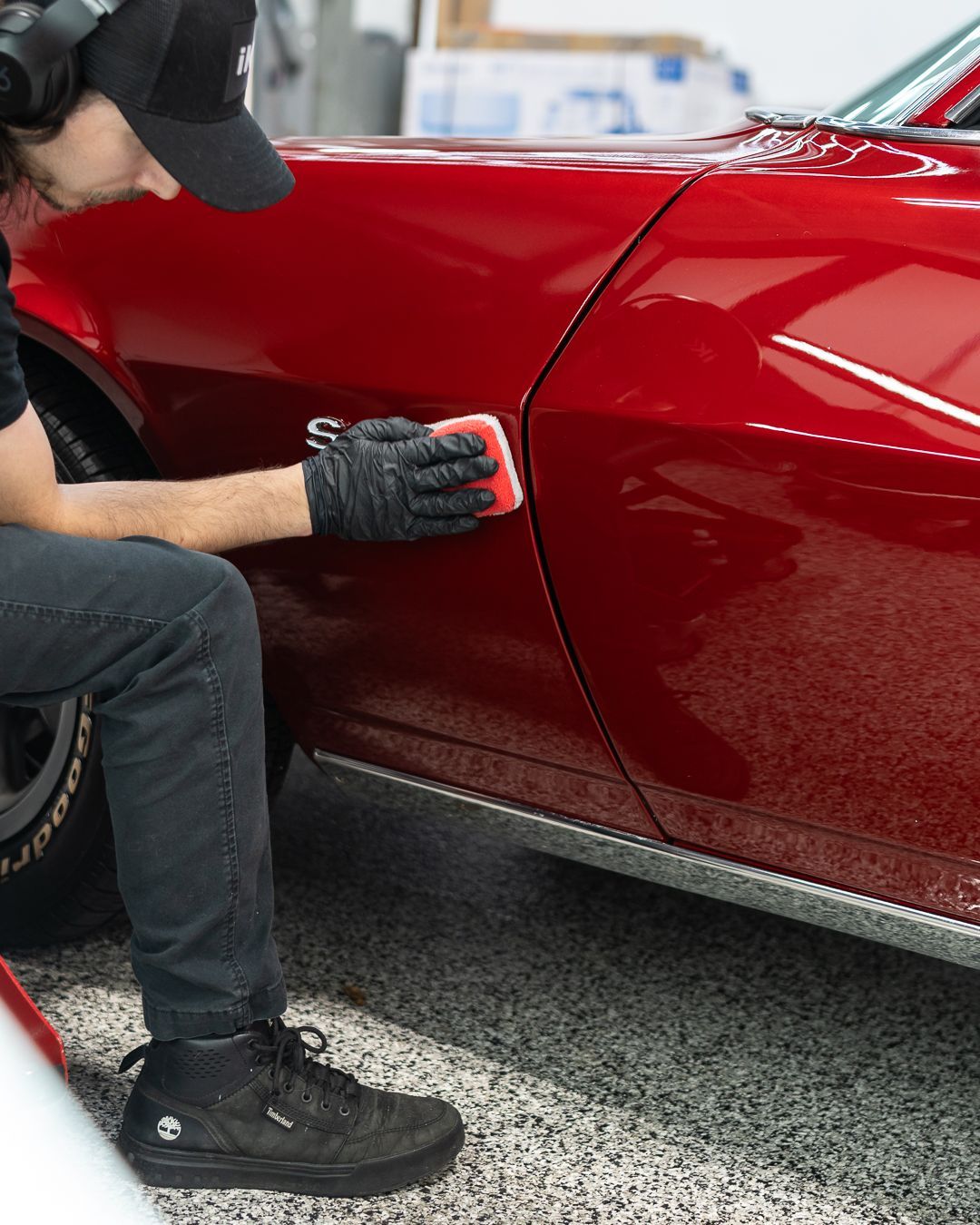
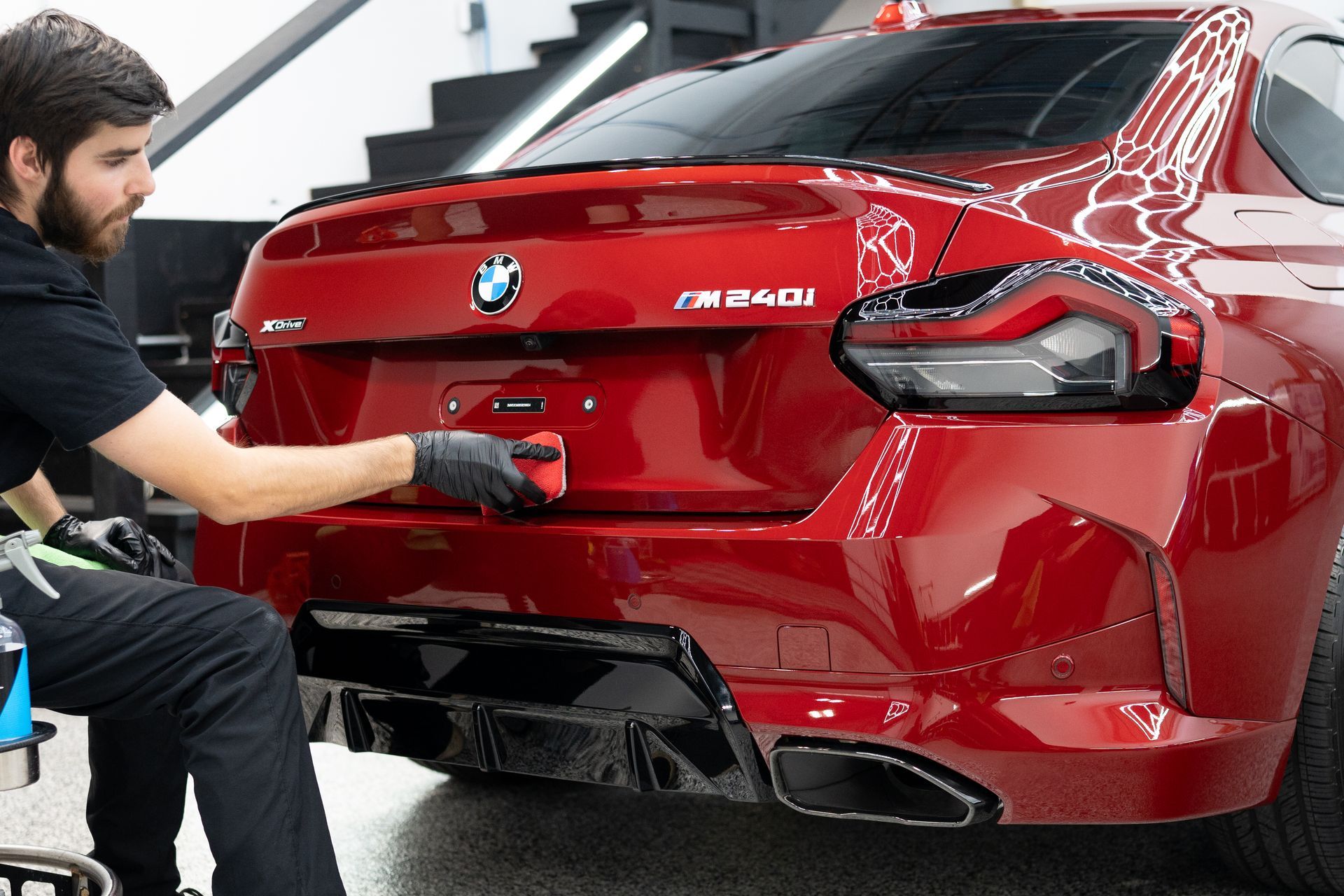
4. Why Modern Vehicle Designs Make Application Harder
Modern vehicle designs have become more aggressive and detailed, which makes applying ceramic coating much more challenging. Today’s cars feature sharp creases, deep contour lines, sculpted panels, and layered bumpers that create uneven surfaces. Unlike older vehicles with flatter panels, these designs cause coating to behave differently across each section. On curved or angled areas, the product may spread too thin or build up too quickly. As a result, achieving a consistent finish becomes difficult. In addition, tight gaps, trim pieces, and recessed areas limit access, making it harder to apply and level the coating properly without leaving behind streaks or high spots.
At D’Andrea Auto Detailing, we overcome these challenges with a precision-driven approach. Our team carefully studies each vehicle’s design and adjusts the ceramic coating service process based on its body structure. We break panels into smaller sections, use specialized applicators for tight areas, and control product usage to prevent buildup. Advanced lighting allows us to inspect every curve and edge from multiple angles, ensuring nothing is missed. With our expert-level ceramic coating service, we ensure even coverage, flawless gloss, and long-term protection—no matter how complex the vehicle design may be.
5. High-Risk Areas During Ceramic Coating Application
Applying ceramic coating requires precision, especially in areas where surfaces are uneven or difficult to access. Certain sections of a vehicle naturally increase the risk of coating defects due to their shape, texture, or positioning. These high-risk zones demand extra attention to ensure proper bonding, even coverage, and a flawless finish.
- Sharp Edges: Coating builds up quickly here, leading to visible high spots and uneven curing.
- Panel Gaps: Tight spaces make application difficult, often resulting in missed or uneven coverage.
- Around Emblems: Intricate shapes trap excess product, increasing the risk of streaking and residue.
- Trim Lines: Different materials can affect bonding, causing inconsistency in finish and durability.
- Recessed Areas: Limited visibility and access make it harder to level coating properly.
Professional handling of these areas is essential for long-lasting results. For expert-level application and protection, trust D’Andrea Auto Detailing—contact us today to get started with your ceramic coating service Carol Stream.
6. Why D’Andrea Auto Detailing Delivers Superior Ceramic Coating Results
At D’Andrea Auto Detailing, delivering high-quality ceramic coating results starts with a commitment to precision and preparation. We do not rush the process. Instead, we focus on correcting and perfecting your vehicle’s paint before any coating is applied. Our team uses advanced polishing techniques, professional-grade products, and detailed panel mapping to ensure every surface is properly prepared. This approach allows the coating to bond evenly, enhancing both durability and gloss. As a result, your vehicle achieves a deep, consistent finish that stands out while staying protected against environmental damage.
What truly sets us apart is our attention to detail during application. Our technicians are trained to handle complex body lines, edges, and contours with care. We use specialized lighting, controlled application methods, and high-quality coatings to eliminate high spots and ensure flawless coverage. Whether your vehicle has sharp design features or intricate curves, our ceramic coating service Carol Stream is designed to deliver long-lasting protection and a showroom-quality finish.
Conclusion
Applying ceramic coating on modern vehicles is not simple. Complex body lines demand skill, precision, and the right tools. Without proper techniques, coatings can fail to deliver their full potential. Professional installers follow a structured process. They prepare the paint, map panels, apply coating carefully, and inspect every detail. This ensures long-lasting protection, enhanced gloss, and a flawless finish. If you want your vehicle protected the right way, choosing an expert ceramic coating service is essential. Especially for vehicles with intricate designs, professional handling makes all the difference.
At D’Andrea Auto Detailing, we combine experience, technology, and attention to detail to deliver superior results. Whether your car has sharp edges or complex curves, our team ensures perfect coating application every time.
Ready to protect your vehicle with expert care? Contact D’Andrea Auto Detailing today and experience the difference a professional ceramic coating service can make.
