
How Long Does Paint Protection Film Last? Lifespan Tips for Long-Term Vehicle Protection
June 17, 2026
Paint protection film is one of the most effective ways to protect a vehicle’s painted surfaces from road damage, rock chips, bug splatter, and daily wear. Drivers often invest in PPF because they want their vehicle to stay newer-looking for longer. Yet one of the most common questions car owners ask before choosing this service is simple: how long does paint protection film last?
The average lifespan of high-quality paint protection film is usually 5 to 10 years, depending on the film quality, installation process, driving conditions, maintenance habits, and where the film is applied. Some premium films can last closer to 10 years when they are installed correctly and cared for well. However, poor installation, harsh weather, strong chemicals, and neglected maintenance can shorten that lifespan.
For vehicle owners in Carol Stream, Illinois, road debris, winter salt, changing weather, and daily driving can all affect the life of paint protection film. This is why choosing an experienced installation team matters. D’Andrea Auto Detailing provides professional paint protection film installation in Carol Stream, helping drivers protect high-impact areas such as the front bumper, hood, mirrors, fenders, rocker panels, and A-pillars.
In this guide, we will explain what paint protection film is, how long it lasts, what affects its durability, and how to keep it looking clear, smooth, and protective for years.
1. How Long Does Paint Protection Film Last on Average?
Most professional-grade paint protection film lasts between 5 and 10 years. This range depends on the product, installer skill, vehicle use, and maintenance routine. A daily driver exposed to winter roads, salt, sun, rain, and frequent highway travel may see a shorter lifespan than a garage-kept weekend vehicle.
So, how long does paint protection film last in real-world driving? For many drivers, a properly installed film can offer strong protection for about 7 years. With premium film and careful maintenance, it may last close to 10 years. If the film is lower quality or installed poorly, it may start showing issues much sooner. The lifespan also varies by location on the vehicle. The front bumper usually takes the most abuse. It faces rock chips, bugs, road grime, and weather exposure every time the vehicle is driven. Because of this, bumper film may wear faster than film on less exposed areas like mirrors or A-pillars. PPF does not last forever. Over time, it may lose clarity, stain, yellow, lift at the edges, or become less effective. However, when installed by a skilled team and maintained correctly, it can provide years of reliable surface defense.
2. Key Factors That Affect How Long Paint Protection Film Lasts
Several factors determine how long PPF will last. Some are related to the product itself. Others depend on how the vehicle is driven, stored, washed, and maintained.
Film Quality
Not all paint protection films are the same. Premium films usually offer better clarity, stronger adhesive, better stain resistance, and longer-lasting self-healing performance. Lower-quality films may discolor, crack, or peel faster. A high-quality film should remain clear and smooth for years when properly maintained. It should also hold up against normal road debris and environmental exposure.
Installation Skill
Installation has a major impact on lifespan. Even premium film can fail early if it is stretched too much, cut poorly, or applied over contaminated surfaces. Professional installers prepare the surface before installation. At D’Andrea Auto Detailing, the process includes washing, decontaminating, and inspecting the areas that will receive coverage. This helps reduce the chance of trapped dirt, visible defects, or poor adhesion.
Driving Conditions
A vehicle driven mostly on smooth city roads may not face the same wear as a vehicle driven daily on highways, gravel roads, or construction-heavy routes. More exposure to debris usually means more stress on the film. Illinois drivers also deal with snow, ice, road salt, and changing temperatures. These conditions can affect both the film and the adhesive over time.
Maintenance Habits
Good maintenance can extend the life of PPF. Harsh chemicals, aggressive scrubbing, dirty wash mitts, and high-pressure washing too close to film edges can all shorten its lifespan. Gentle washing, safe drying, and proper care products help the film stay clear and bonded.
Sun and Weather Exposure
UV rays, heat, rain, snow, and humidity can affect film over time. Premium films are built to resist yellowing and weather damage, but no film is immune to long-term exposure. Garage parking or covered parking can help slow wear and preserve clarity.
3. How to Make Paint Protection Film Last Longer
If you want your PPF to last as long as possible, maintenance matters. The film is durable, but it still needs proper care. The right routine can help protect the film’s clarity, adhesive, and self-healing surface. Start with gentle washing. Use automotive-safe soap and clean microfiber towels. Avoid household cleaners, abrasive brushes, and harsh degreasers. These products can weaken the film or leave stains.
You should also avoid pressure washing directly at the film edges. High pressure can lift corners if the nozzle is too close. Keep a safe distance and spray at a soft angle rather than forcing water into the seams.
To help extend PPF lifespan:
- Wash the vehicle regularly to remove dirt, bugs, and road grime
- Use pH-balanced car shampoo
- Dry with clean microfiber towels
- Remove bird droppings and bug splatter quickly
- Avoid harsh solvents or abrasive polishes
- Keep pressure washer nozzles away from film edges
- Park indoors or in shade when possible
A consistent maintenance routine does not need to be complicated. Simple, safe care often works best.
4. Who Should Consider Paint Protection Film?
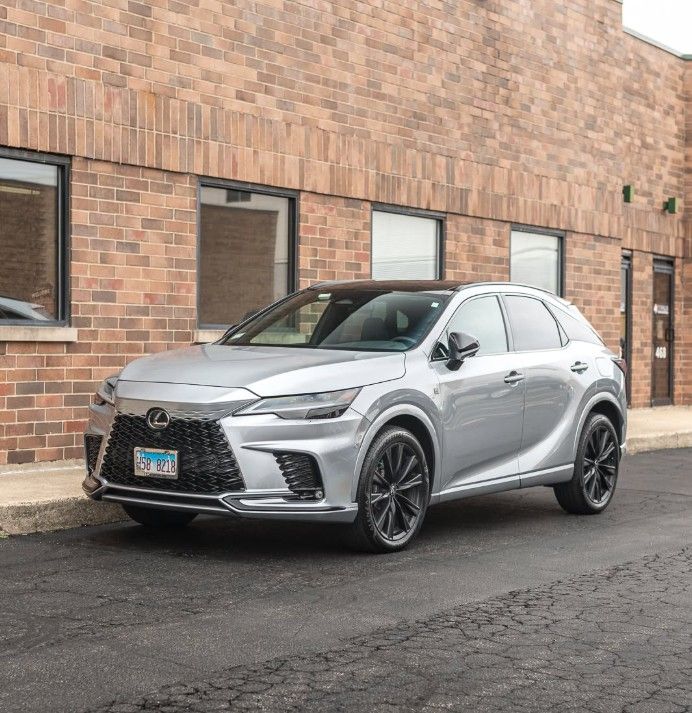
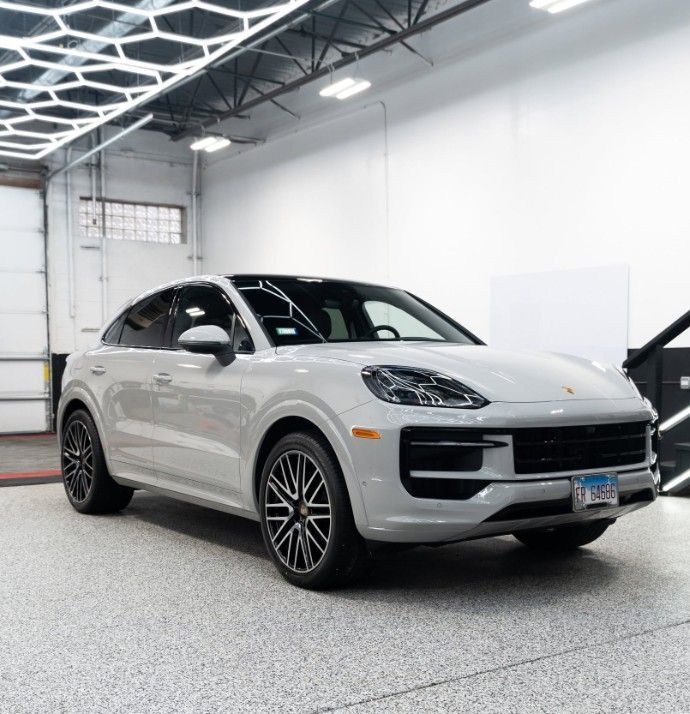
Paint protection film is useful for many types of drivers. It is especially helpful for people who care about long-term vehicle appearance and want to avoid paint damage before it happens. New vehicle owners are strong candidates for PPF because the paint is still fresh and undamaged. Installing film early helps preserve the factory finish before chips appear. Luxury and performance vehicle owners also benefit from PPF. These vehicles often have higher paint repair costs, and owners usually want to keep the exterior in excellent condition.
PPF can be a smart choice for:
- Daily commuters
- Highway drivers
- Tesla owners
- Luxury vehicle owners
- Sports car owners
- Truck and SUV owners
- Lease vehicle drivers
- Car enthusiasts
- Anyone planning to keep a vehicle long term
It is also useful for people who drive in areas with road salt, gravel, construction zones, or heavy traffic. In Carol Stream and nearby Illinois communities, changing weather and winter road treatment can make exterior protection even more important.
5. Step-by-Step Process to Extend the Life of Paint Protection Film
Many vehicle owners ask not only how long does paint protection film last, but also how to maximize that lifespan. Following a consistent maintenance routine can significantly improve durability.
Step 1: Wash Your Vehicle Regularly
Routine washing removes dirt, road grime, bug residue, and contaminants before they can affect the film. Use pH-neutral automotive shampoos and avoid harsh household cleaners that may damage protective coatings.
Step 2: Remove Contaminants Quickly
Bird droppings, tree sap, bug splatter, and road tar should be removed as soon as possible. Although paint protection film provides excellent resistance, prolonged exposure can increase the risk of staining.
Step 3: Use Proper Washing Techniques
Safe washing methods help prevent unnecessary surface wear.
Consider these best practices:
- Use microfiber wash mitts
- Rinse thoroughly before washing
- Avoid abrasive brushes
- Use clean drying towels
- Follow a two-bucket wash method
These simple techniques reduce friction and maintain the film's appearance.
Step 4: Avoid Automatic Brush Car Washes
Brush-style car washes can create unnecessary abrasion on both paint and film surfaces. Whenever possible, choose touchless washes or hand washing to preserve the integrity of your paint protection film.
Step 5: Schedule Professional Inspections
Professional inspections allow technicians to identify potential issues before they become serious problems. Regular evaluations can help ensure your film continues performing as intended throughout its lifespan.
6. How Long Does Paint Protection Film Last With Daily Driving?
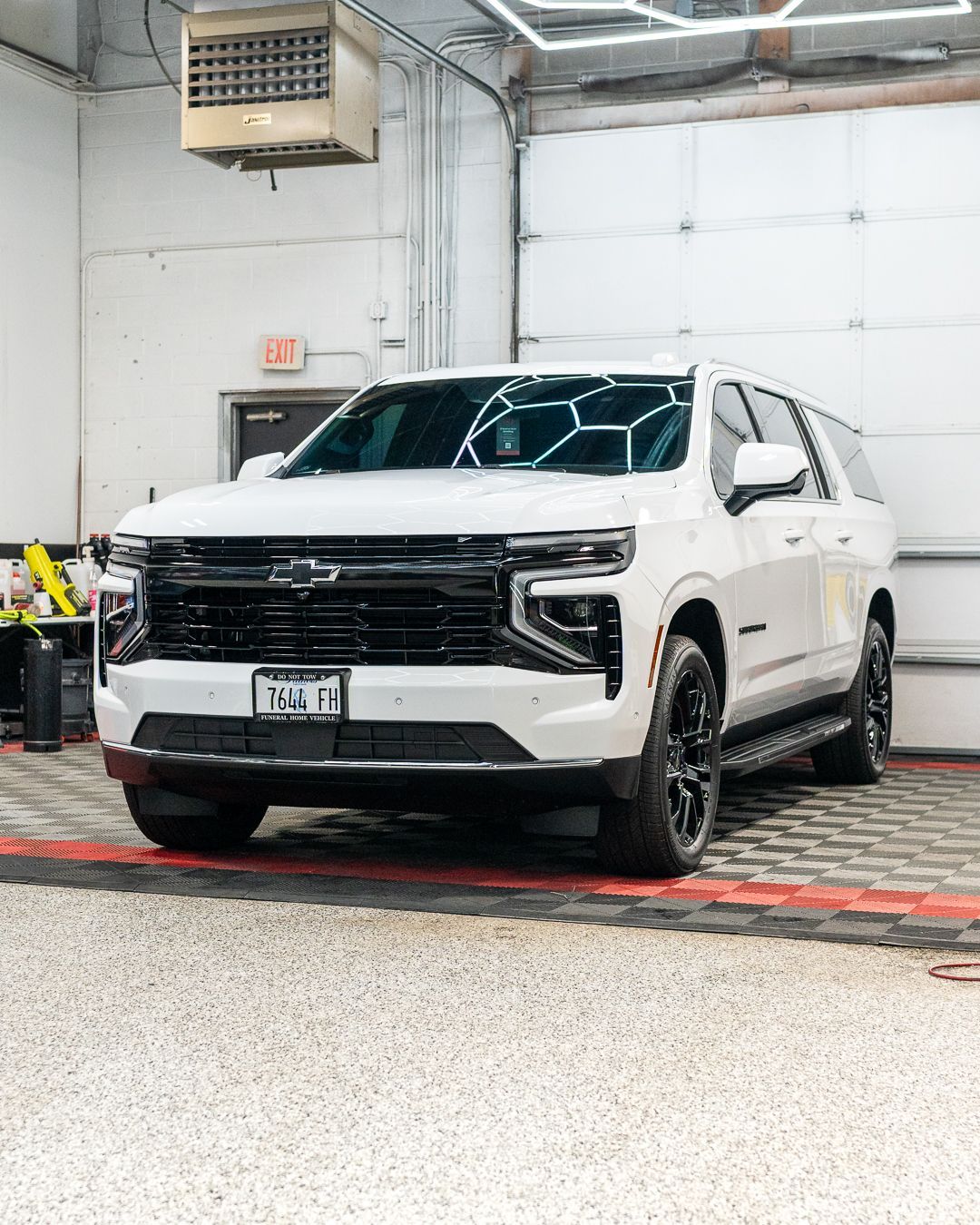
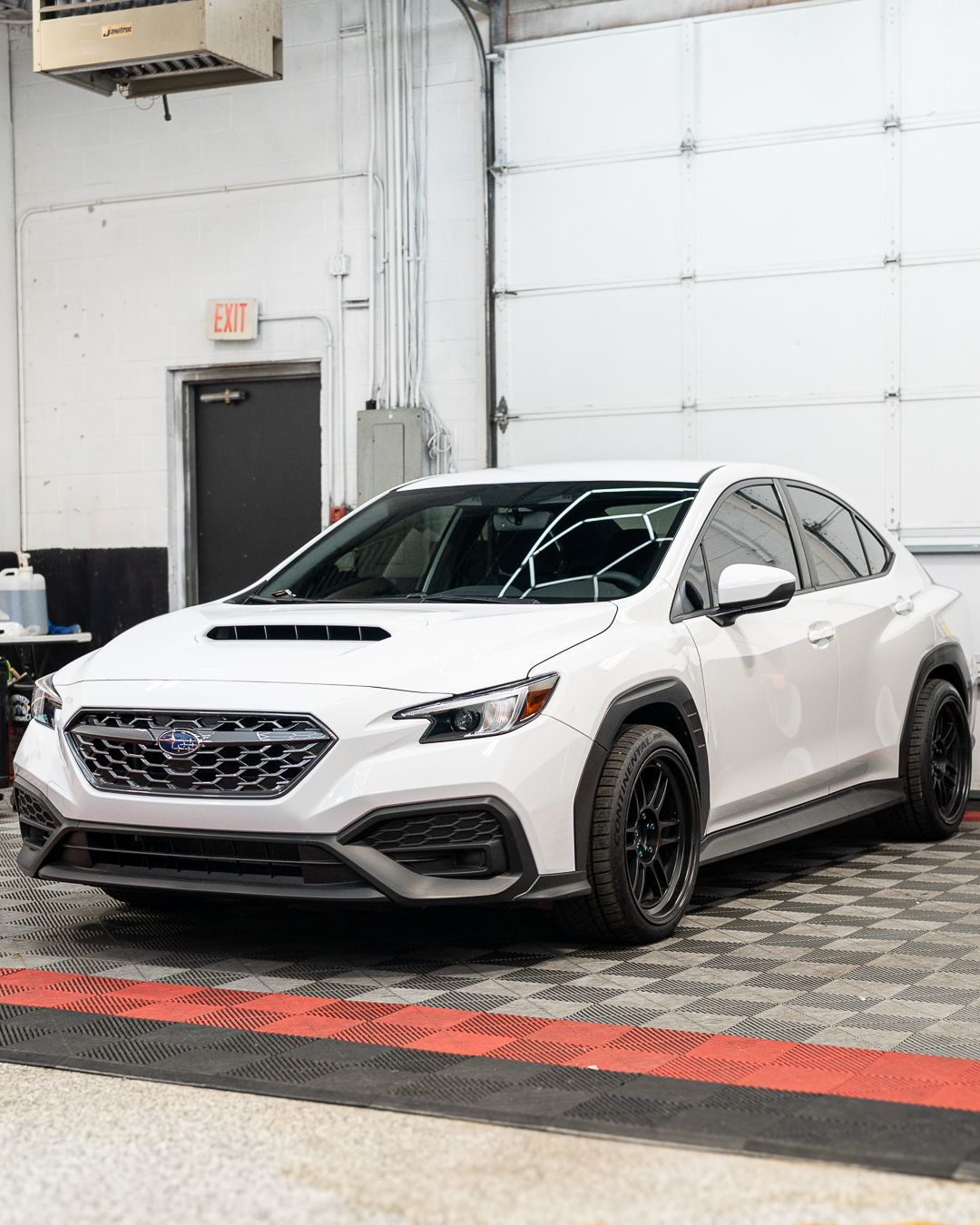
Daily driving exposes PPF to more wear than occasional use. A daily driver faces road debris, bugs, rain, dust, sun, and washing more often. Even so, quality PPF can still perform well for years.
For daily drivers, the average lifespan is often around 5 to 7 years. With premium film and careful maintenance, it may last longer. Vehicles that are garage-kept and washed correctly may stay in better condition than vehicles parked outdoors year-round. So, how long does paint protection film last if you drive every day? The answer depends on how and where you drive. Highway commuters may see more impact marks on the front bumper.
The good news is that PPF is made for real-world driving. It acts as a sacrificial layer. Instead of your paint taking the damage, the film absorbs much of the wear.
7. Common Mistakes That Shorten Paint Protection Film Lifespan
Many PPF problems come from poor care or poor installation. Even a good film can fail early when it is treated incorrectly. One common mistake is washing too soon after installation. PPF needs time to settle and bond. Washing too early can disturb edges or affect curing. Another mistake is using harsh chemicals. Strong degreasers, solvents, and abrasive cleaners can damage the film’s top layer. This may cause dullness, staining, or reduced self-healing performance. Pressure washing too close to the film is another issue. High pressure can force water under edges and cause lifting.
Avoid these mistakes:
- Washing the vehicle too soon after installation
- Using rough brushes or dirty towels
- Spraying pressure washers directly at edges
- Letting bugs or bird droppings sit too long
- Using harsh chemicals or solvents
- Picking at edges or bubbles
- Ignoring early signs of peeling
If you notice a problem, do not try to fix it by pulling or cutting the film yourself. Contact a professional installer. A small issue may be easier to correct before it spreads.
8. Where D’Andrea Auto Detailing PPF Packages Fit Into Your Protection Plan
D’Andrea Auto Detailing paint protection film packages are designed for drivers who want more than basic surface coverage. They are built around the areas of your vehicle that face the most abuse during daily driving in Carol Stream and nearby Illinois roads. Every time you drive, your front bumper, hood, mirrors, fenders, rocker panels, and A-pillars are exposed to rock chips, salt, bugs, loose gravel, and road debris. This is where a professional PPF package becomes an important part of your long-term protection plan. Instead of waiting for paint damage to happen, D’Andrea Auto Detailing helps you protect the finish early with clear bra coverage that works as a durable barrier between your paint and the road.
What makes D’Andrea Auto Detailing approach valuable is the attention given before the film is installed. Their team does not simply apply film over the surface and call it finished. The vehicle is washed, decontaminated, and inspected so the selected coverage areas are properly prepared before installation. This matters because paint protection film is transparent, which means the condition of the surface underneath affects the final result. By preparing the paint first, D’Andrea Auto Detailing helps the film bond correctly, look cleaner, and perform better over time. Their packages also give drivers practical choices, from partial front protection to full front coverage and premium coverage for high-impact zones. This allows each vehicle owner to choose the level of protection that matches their driving habits, vehicle type, and budget.
For drivers who want stronger peace of mind, D’Andrea Auto Detailing premium coverage package is a smart option because it protects several of the most vulnerable exterior areas at once. Coverage for the front bumper, full hood, mirrors, full front fenders, rocker panels, and A-pillars helps reduce visible damage from everyday driving and keeps the vehicle looking newer for longer. This is especially useful for Tesla owners, luxury vehicle drivers, highway commuters, and anyone who wants to preserve resale value. When included as part of a full vehicle care plan, PPF from D’Andrea Auto Detailing can help protect the appearance, value, and pride of ownership you feel every time you get behind the wheel.
Conclusion
So, how long does paint protection film last? In most cases, high-quality PPF lasts between 5 and 10 years. The exact lifespan depends on the film, installation quality, driving conditions, storage, and maintenance. If you want your film to last longer, choose a professional installer, protect the most vulnerable areas, wash the vehicle correctly, remove contaminants quickly, and avoid harsh chemicals. These simple habits can help preserve clarity, appearance, and protection.
Paint protection film is a smart choice for drivers who want to keep their vehicle looking newer and reduce the risk of paint damage. It is especially useful for daily drivers, highway commuters, Tesla owners, luxury vehicle owners, and anyone who wants long-term paint protection. If you are in Carol Stream or nearby areas and want professional PPF installation, D’Andrea Auto Detailing can help you choose the right coverage for your vehicle. Their paint protection film packages are designed to defend against rock chips, road debris, and daily driving damage while keeping your vehicle’s finish clean and sharp.
Protect your vehicle before the damage starts. Contact D’Andrea Auto Detailing today to request a free quote for paint protection film installation in Carol Stream.
