
Choosing Auto Window Tint for Nighttime Visibility: Best Tips for Clear and Safe Driving
January 30, 2026
Choosing the right window tint for your car isn't just about looking cool or beating the summer heat. It can actually make a big difference in how well you see and stay safe when driving at night. While many drivers concentrate on blocking sunlight during the day, they often overlook the fact that an excessively dark tint can complicate nighttime driving by making it more difficult to spot other cars, pedestrians, or road signs. In this article, we will delve into basic yet crucial guidelines that assist you in selecting a tint that reduces glare without completely darkening your windows, ensuring a harmonious blend of style, comfort, and clear visibility as the sun sets.
Effects of Tint Quality on Night Driving
The quality of your window tint can truly make or break your nighttime driving experience. Think of it like wearing a pair of glasses: a cheap, scratched lens will distort your vision and cause strain, while high-quality lenses provide sharp, clear sight without distortion. Low-grade films often create a hazy effect that blurs lane markers and surrounding vehicles, which can leave drivers feeling uneasy and less confident behind the wheel. High-quality tints, such as ceramic or carbon-based films, are engineered to block ultraviolet rays and reduce heat without sacrificing optical clarity. This means they cut down glare from oncoming headlights and street lamps while preserving your ability to see details clearly at night.
Premium materials minimize the rainbow-like distortions or blurred vision sometimes seen in cheaper tints, directly translating into safer driving by helping you maintain situational awareness even in challenging lighting. Investing in premium tints is usually more expensive upfront, often costing two to three times more than basic options. However, when weighed against safety benefits and long-term durability, the higher price tends to pay off over time. Many premium tints resist fading and bubbling for years, making them worthwhile for drivers who prioritize comfort and clear visibility during night drives. Proper installation also plays a crucial role in ensuring these benefits are realized. A poorly installed tint may have bubbles, wrinkles, or uneven application that creates distracting reflections or obscures your view. Even top-tier material needs professional installation for maximum performance when you're behind the wheel at night.
Optimal Tint Colors and Shades
When it comes to choosing the right color for your window tint, not all hues are created equal in preserving nighttime visibility. Lighter colors such as pale greys or soft blues allow more natural light to pass through, helping maintain clear vision when streetlights are dim or headlights are glaring. These shades work with your eyes rather than against them, reducing strain during night driving and improving overall safety on the road. Very dark colors like deep black or charcoal, while offering maximum privacy, tend to block too much light and can leave you essentially driving blind in low-light conditions. Lighter tones often blend seamlessly with most car colors and styles. Because many states impose strict rules on how dark your front window tints can be, choosing neutral, lighter colors typically means you'll stay within regulations without sacrificing comfort. The shade, which refers to the VLT percentage of your tint, influences how much light reaches your eyes.
Experts generally recommend tints in the 55% to 70% VLT range for drivers who prioritize nighttime clarity. This range strikes a balance by cutting down on glare from headlights and streetlamps while still letting in enough light for excellent vision. Any tint darker than this offers diminishing returns; it reduces glare but at the cost of much poorer visibility at night. These mid-level shades are versatile enough for use on front side windows, where laws are often strictest. They enable drivers to experience reduced heat buildup and protect against UV rays during the day while keeping sightlines reasonably clear once dusk turns into night. If privacy is your main goal but you want to stay safe at night, consider combining a darker tint on rear windows where allowed with lighter shades up front.
Selecting the Right Film for Night Use
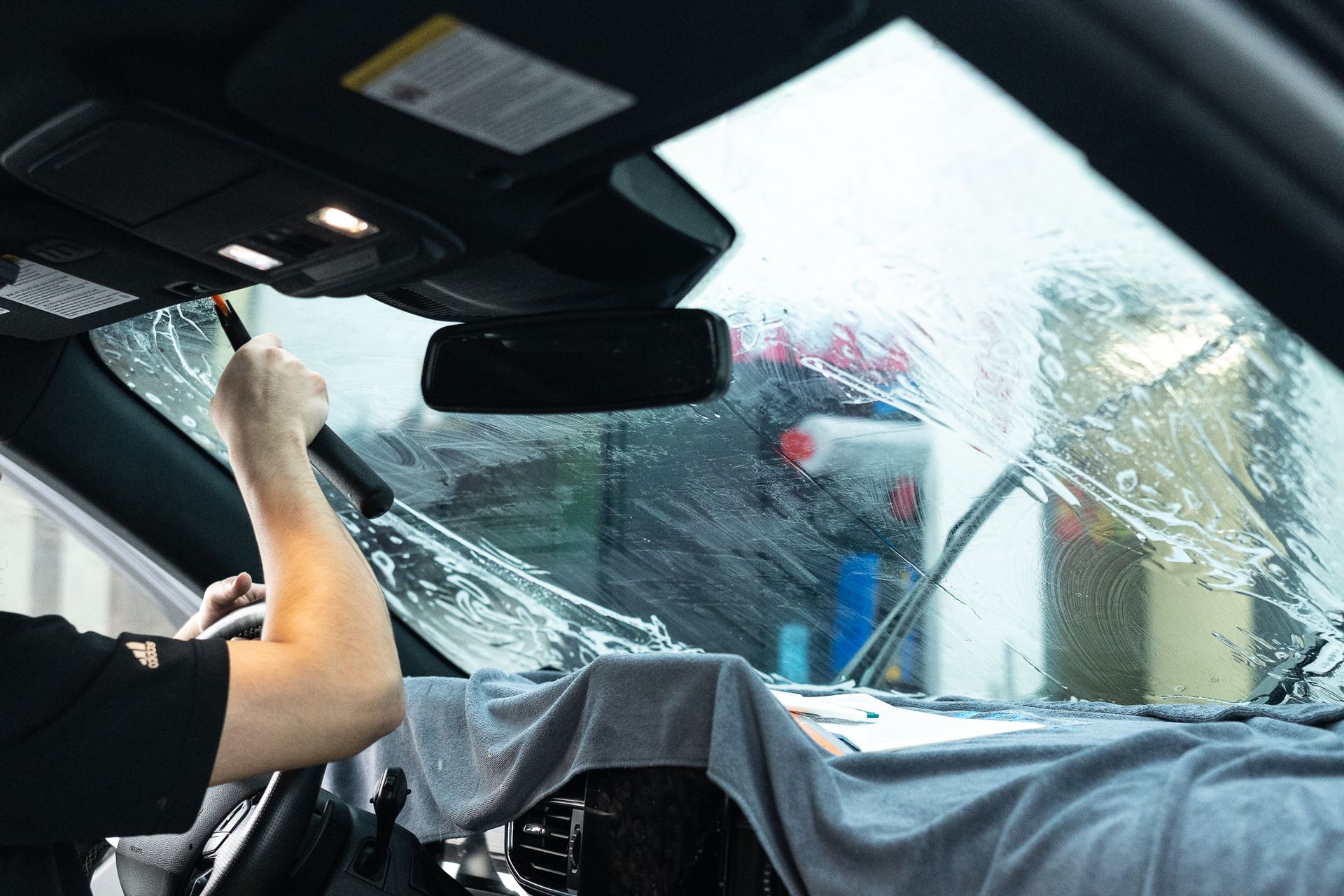
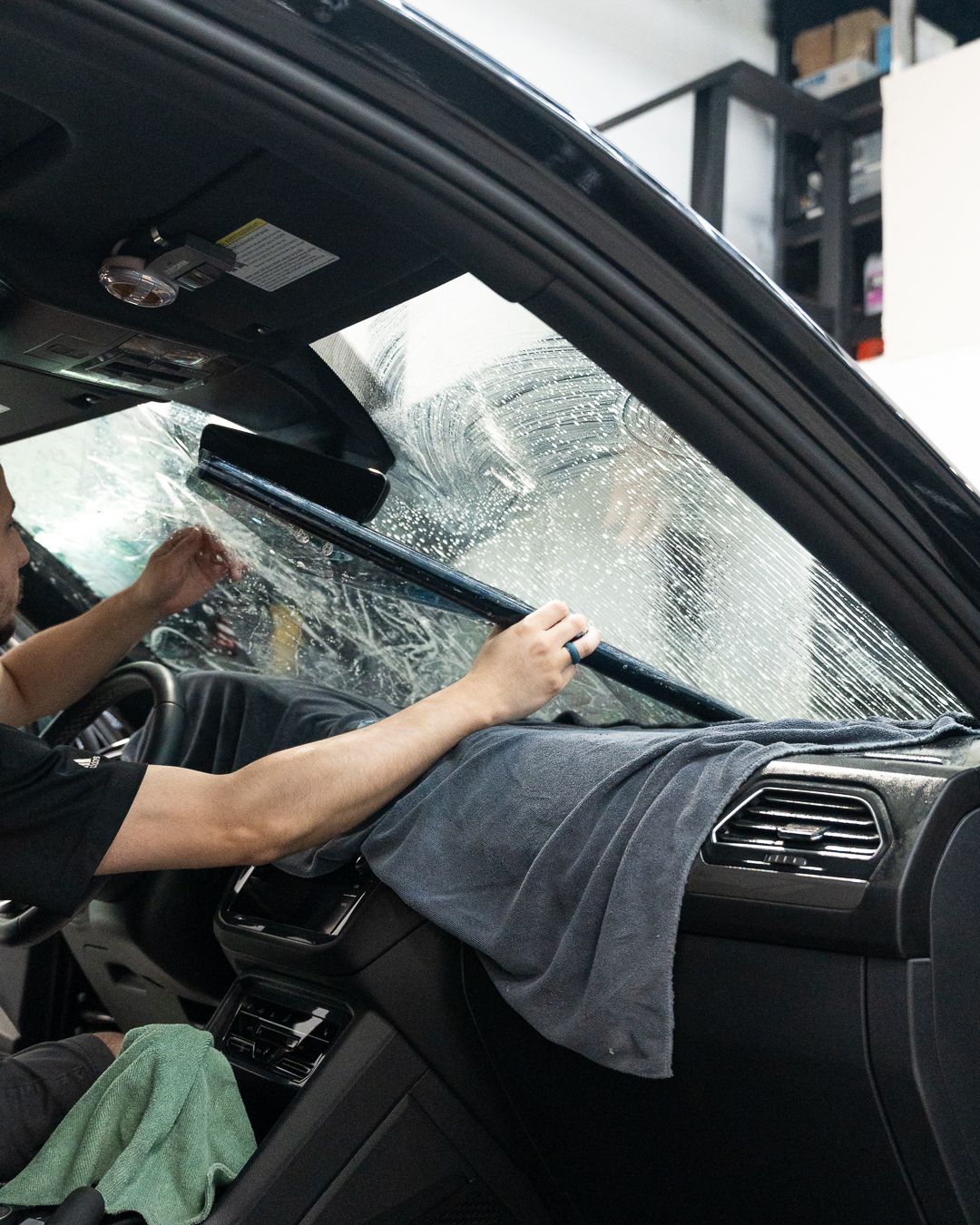
Not all window tint films are created equal when it comes to nighttime visibility. For safe and clear night driving, you want a film that balances heat rejection with high visible light transmission. Films that block too much visible light can make your view murky and dangerous after dark.
- Basic Dyed Films: They rely on a layer of dye to reduce glare and add privacy. They're affordable but tend to fade or even turn purple over time, and their heat rejection capabilities are modest at best. While they cut some glare, they won't keep your cabin cool in summer, nor do they excel in night clarity.
- Metalized Films: Use tiny metallic particles to reflect heat and do a better job rejecting solar energy but often cause interference with GPS signals, keyless entry systems, and cellular reception. For modern vehicles loaded with electronics, this can be an annoying and potentially unsafe trade-off. Their reflectivity at night can also cause distracting reflections inside the vehicle.
- Carbon Films: These are a smarter choice for everyday drivers. These films maintain a finish that won't fade or turn purple, offer significantly better heat rejection, and are completely signal-friendly. Importantly for night driving, carbon films allow enough visible light through to preserve good visibility without compromising privacy too much.
- Ceramic Films: They take all these benefits to a much higher level. By using non-conductive ceramic particles, these films provide exceptional heat rejection while maintaining high optical clarity. They transmit visible light efficiently while still cutting glare significantly. With ceramic tint, you're less likely to experience issues like reduced nighttime visibility or distracting reflections. The absence of metallic components means your phone calls won't drop mid-drive due to interference.
Choosing the right film should weigh the balance between heat protection, visibility at all hours, signal compatibility, durability, and cost. While upfront costs for high-quality ceramic film might be higher, its long-term benefits in safety and comfort make it a wise investment.
Safety Tips and Considerations
Safety is not just about what you put on your windows; it's also about how you adjust your behavior behind the wheel in low-light conditions. Dimming your interior lights significantly cuts down on distracting reflections bouncing off your windows, making it easier for your eyes to focus on the road ahead. This small adjustment can reduce glare that often blinds drivers during nighttime travel. Keeping your windows impeccably clean is another critical action. Dirt, smudges, or streaks scatter available light and impair clarity, which can make visually spotting pedestrians, obstacles, or road signs harder when combined with tinted glass. Regularly wiping down all windows with appropriate glass cleaner ensures you're working with the clearest view possible.
Upgrading your vehicle's headlights can substantially improve nighttime safety. High-quality bulbs that emit brighter, more focused beams help compensate for any light reduction caused by tint films. This enhancement illuminates further distances and sharpens peripheral lighting, crucial because dark tints on side windows can impair peripheral vision, increasing risks during lane changes. Legal compliance plays a key role in protecting yourself on the road after dark. States impose regulations specifying minimum VLT levels to prevent excessive darkness that jeopardizes driver visibility. Darker-than-allowed tints reduce your ability to see hazards or pedestrians promptly, and when visibility suffers, reaction times slow down correspondingly. Illegal tints can also lead to traffic citations or complicate accident liability claims. Choosing the right window tint is a critical decision that balances style and comfort with safety and legal compliance. By selecting a high-quality film with proper VLT and reflectivity, you enhance nighttime visibility while reducing glare, ensuring safer roads for everyone.
Designed for Safer Night Driving in Carol Stream, IL
Driving at night should feel controlled, not compromised. D'Andrea Detail | PPF • Ceramic Coating • Window Tint provides
precision window tinting in Carol Stream, IL focused on glare reduction and optical clarity. Our team installs premium films designed to balance light transmission with heat and UV protection, helping drivers maintain clear sightlines in low-light conditions.
Schedule your window tinting service with our team today and experience safer nighttime driving!
