
Best Maintenance Wash Routine for Ceramic-Coated Cars to Maximize Protection and Longevity
January 8, 2026
If you've invested in a ceramic coating for your car, you probably want it to last as long as possible while keeping that showroom shine. But washing a ceramic-coated vehicle isn't just about getting rid of dirt; it's about protecting the high-tech layer that gives your paint its glossy, water-repellent finish. Knowing how to wash your car properly can make all the difference between preserving that slick look or accidentally dulling the coating with the wrong products and techniques.
Essential Steps for Washing a Ceramic-Coated Car
The first step in a proper washing routine is a thorough initial rinse using gentle, controlled water flow. While this step may seem simple, it plays an important role in protecting your paint. Loose dirt and road debris can cause surface damage if they are dragged across the vehicle during contact washing. By carefully rinsing the exterior, including wheel wells and lower panels, you help flush away contaminants before a wash mitt ever touches the surface. This minimizes unnecessary wear and helps preserve the coating’s smooth finish. Once most loose debris has been removed, the next step is applying a pH-neutral snow foam to further loosen remaining buildup before contact washing begins. Applying snow foam via a foam cannon creates a thick blanket of suds clinging to your car's surface, trapping grime and softening stubborn dirt. The pH-neutral formula is designed not to break down the ceramic coating while effectively loosening contaminants. Letting the foam sit for a few minutes allows it to penetrate microscopic crevices, reducing friction during the wash phase that follows. Avoid using overly aggressive foams or those laden with waxes or polymers since these can degrade your coating prematurely.
Once the foam has done its job, physically washing the paintwork requires care and technique. The two-bucket wash method is essential: one bucket holds soapy water made from a pure, pH-balanced shampoo; the other contains clean water to rinse your microfiber mitt between passes. This method actively avoids cycling grit back onto your car's surface, minimizing damage. Start at the top and work downwards, following how dirt naturally settles and avoiding dragging grime upwards. Employ straight-line motions rather than circular ones to reduce surface imperfections. Using a plush microfiber mitt with an optimal pile height of 10 to 15 millimeters helps gently lift contaminants without damaging the surface. This two-bucket approach respects the protective qualities of your ceramic coating by minimizing harsh contact, a frequent cause of diminished gloss and hydrophobic effects. After washing comes rinsing again; a final thorough rinse seals the process. Washing away soap residues is essential when caring for coated paintwork. High-pressure water ensures no suds remain trapped in edges or seams where they could cause streaking or haze as they dry.
Recommended Products for Ceramic-Coated Vehicles
Selecting cleaning and maintenance products tailored specifically for ceramic coatings isn't just about convenience; it's about preserving that carefully bonded layer of silicon dioxide that acts like armor on your car's paint. Using harsh detergents or generic car soaps can strip away the hydrophobic properties and dull the finish you invested in. pH-balanced formulations clean thoroughly yet gently, without invading the molecular bond of the coating. The effectiveness of these shampoos lies in their balanced pH level, neither acidic nor alkaline, allowing them to lift dirt and grime while respecting the delicate ceramic layer beneath.
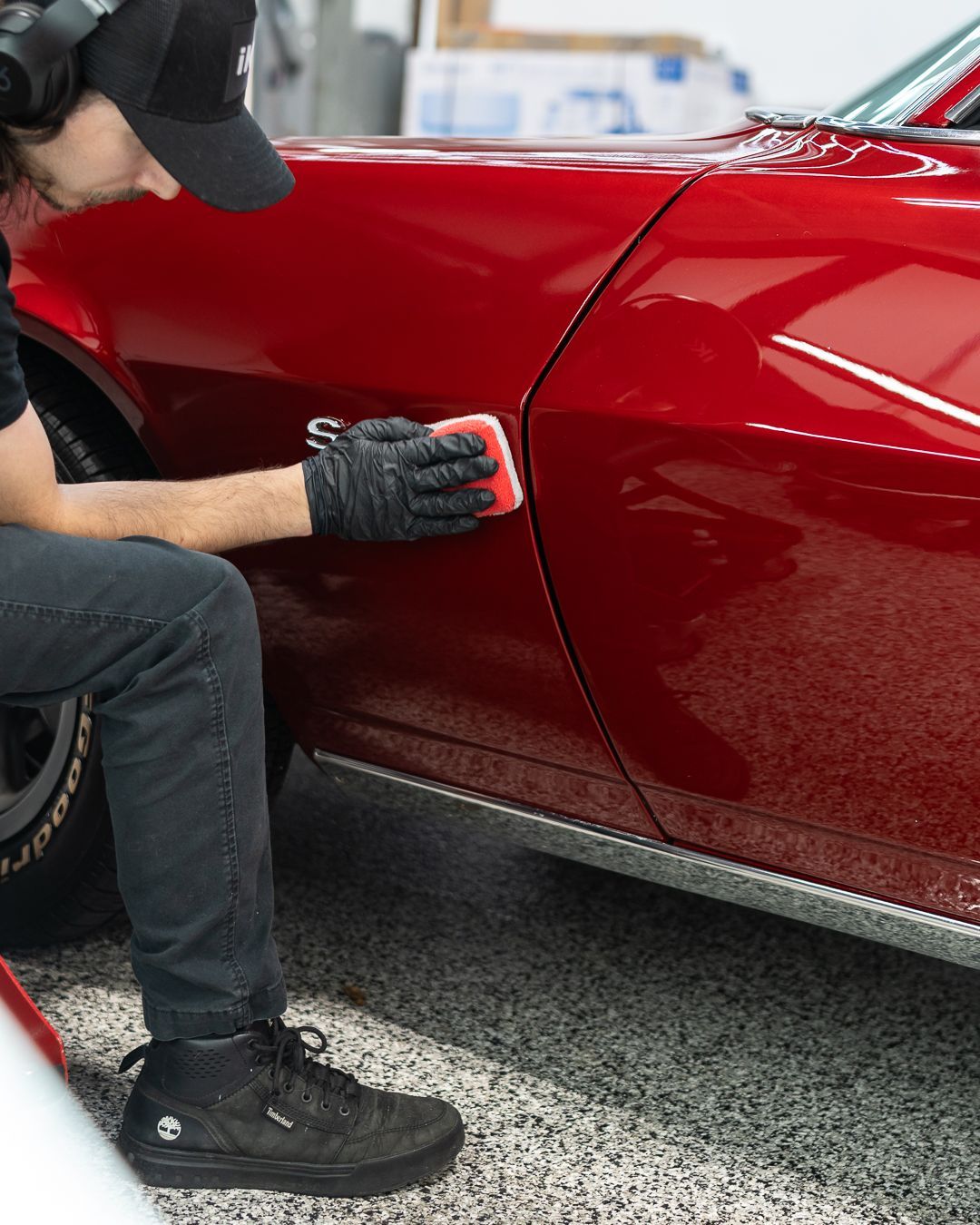
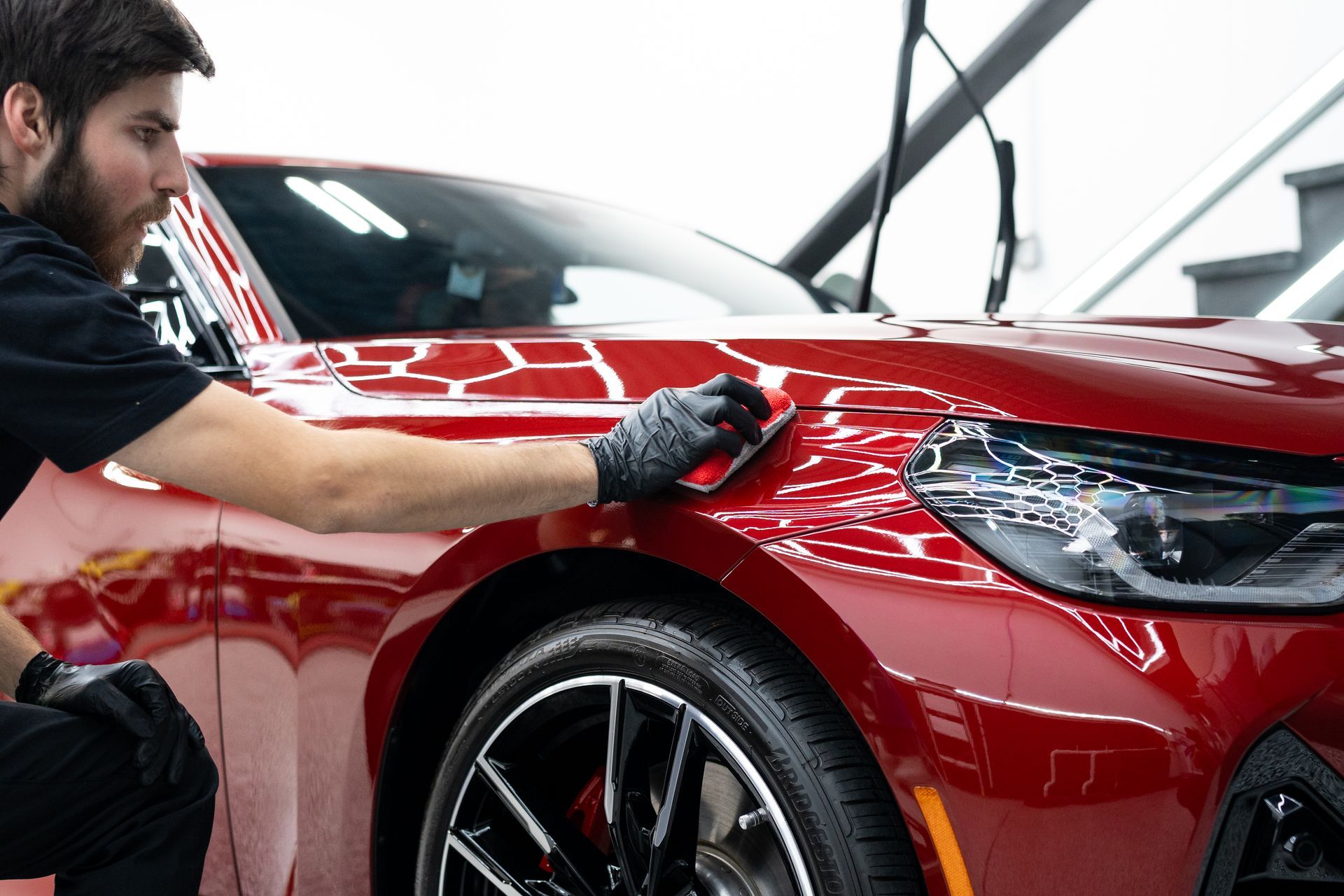
Snow foam comes into play as a pre-wash option that encapsulates contaminants to loosen dirt before you touch the paint. Choosing non-abrasive options avoids surface damage. The physical tools you select have a significant impact on cleanliness without damage. Microfiber wash mitts combine luxurious softness with a deep-pile weave that lifts dirt instead of grinding it across your vehicle's surface. Quality microfiber drying towels are equally important. Your car's finish after washing is vulnerable not just to water spots but also to damage from improper drying techniques. Premium towels have a plush texture engineered to absorb water quickly while gliding gently over surfaces, minimizing friction and protecting that glass-like finish. Properly pairing these products is essential. Starting with protective snow foam prevents pressing dirt into the paint; using pH-balanced shampoo cleans effectively without degrading protections; gentle microfiber mitts avoid surface damage; and premium drying towels finish by smoothly removing moisture.
Proper Drying Techniques
Drying your ceramic-coated car properly is not just a finishing touch; it's an essential step that protects your investment. When water lingers or evaporates unevenly, mineral deposits and spots can form, tarnishing the flawless surface the coating offers. Ceramic coatings are hydrophobic and promote water beading, but they don't make the car immune to spotting if water is left sitting too long. One effective way to avoid these issues is using a dedicated car dryer or blower. Unlike towels that physically contact the surface, these tools gently push water off the paint without contact. This is especially valuable in regions with hard water, where mineral content is higher and water spots are more pronounced. A good blower operates around 100 to 120 CFM airflow at temperatures below 40 degrees Celsius, which is hot enough to speed drying yet cool enough to protect the coating. Blowers reach tight crevices like side mirrors, door jambs, and emblems where towels often miss or cause streaks.
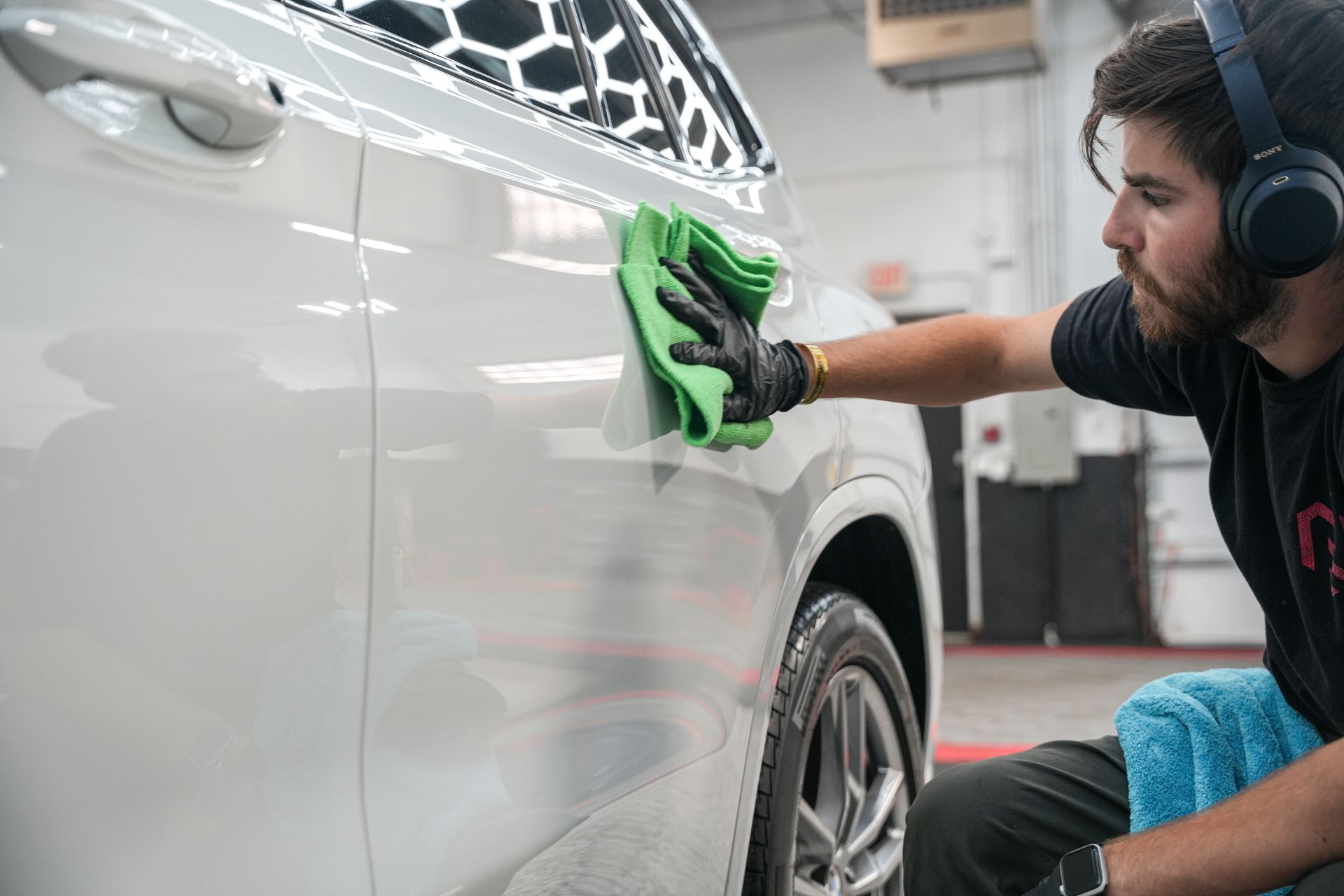
For those without blowers, microfiber drying towels excel as the trusted alternative. These towels combine softness with high absorbency, making them ideal for handling residual moisture. The secret is in how you use them: instead of dragging or wiping across the paint, pat dry. Hold the towel gently against each panel and let it soak up the water naturally. This removes moisture without introducing damage. Always use large towels with a GSM between 400 and 600 for an optimal balance of softness and absorbency. Divide your vehicle into sections and rotate towels frequently if drying a larger car. This keeps towels fresh and prevents re-depositing contaminants. Drying should happen in shaded areas or during cooler times of day since direct sun leads to faster evaporation, causing stubborn water spots. Never rush drying by using household towels or chamois; they're harsh compared to specialized microfiber. Set aside 10 to 15 minutes when drying after every wash cycle to ensure no lingering moisture compromises your coating's integrity.
Avoiding Common Mistakes
One of the most frequent errors is relying on automated car washes. These places often use stiff, harsh brushes that are tough on ceramic coatings, leaving behind damage. Over time, these small imperfections accumulate, dulling the surface that the coating was meant to protect. Although touchless car washes eliminate brushes, many use aggressive chemicals designed to strip off stubborn dirt quickly. These chemicals don't distinguish between grime and your ceramic coating's protective layer. Frequent use can weaken the coating's ability to repel water and dirt effectively. The safest route is embracing hand washing with a gentle but thorough approach using pH-neutral shampoos specifically designed for ceramic coatings. Hand washing gives you full control over pressure, products, and techniques, reducing damage risk significantly. Another common pitfall is washing your car under direct sunlight. Heat causes water droplets to evaporate too quickly, leaving behind hard water spots and mineral deposits that etch into the surface if left unattended. Always wash in shaded areas or during cooler parts of the day, such as early morning or late afternoon.
Handling Contaminants and Water Spots
Even though a ceramic coating acts like a strong shield over your car's paint, it isn't completely immune to stubborn contaminants like bird droppings, tree sap, or water spots. These substances can settle quickly and start causing harm by etching or staining the surface if left unattended. The moment you spot bird droppings or sticky tree sap, act without delay. These organic materials contain acids that can degrade the coating and affect the paint beneath if allowed to dry and bake in the sun. Using a dedicated detailing spray combined with a clean microfiber cloth is your best approach for safely lifting these residues away.
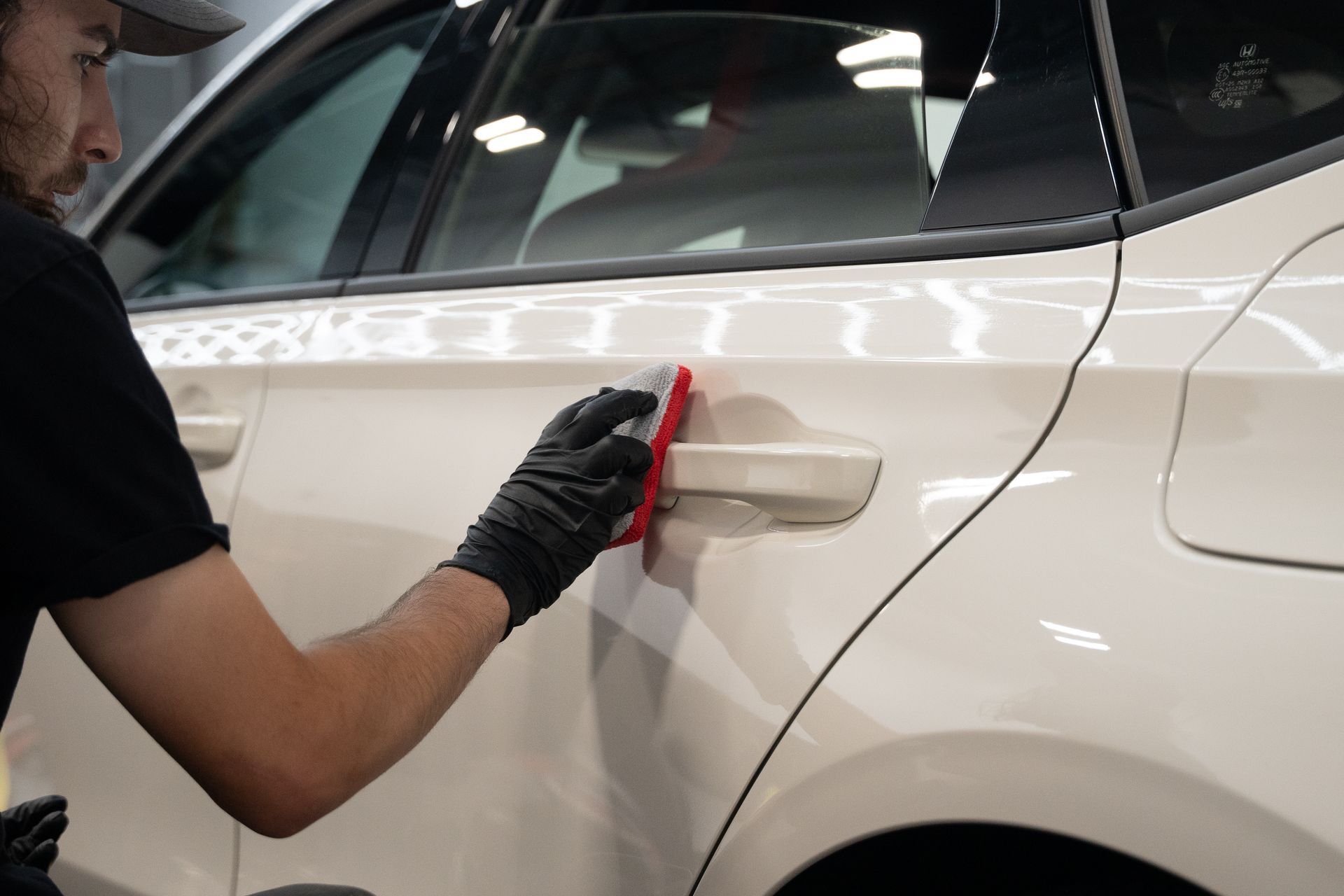
When cleaning, gently dab or lift the contaminant rather than scrubbing aggressively. Always use fresh microfiber cloths since old or dirty cloths can trap contaminants and cause surface imperfections. Water spots form when minerals present in tap water dry onto your car's surface, leaving behind tiny but tough deposits. To tackle water spots safely, use a specialized water spot remover designed for this purpose. Apply with soft linear strokes and allow the product to break down minerals before softly wiping off. An effective way to reduce water spotting long-term is rinsing your vehicle's final wash with deionized or distilled water instead of regular tap water. This step cuts mineral deposits significantly, preserving the flawless look of your ceramic coating.
Additional Maintenance Tips
Regular inspection of your vehicle's surface is important. This means a methodical check looking for minor signs of wear or damage on your coating. Using a strong detailing light helps, as its focused illumination reveals imperfections invisible in normal lighting. Catching these early means you can address them before they worsen.
Another essential layer of protection comes from applying maintenance sprays specifically designed for ceramic coatings. These sprays function like a refresher for your coating's hydrophobic chemistry, replenishing the silica-based layer that repels water and dirt. After you've washed and dried the car, mist a small area with the spray and gently buff it in with a microfiber towel. Applying these maintenance sprays every three to four months strikes a good balance between preserving water beading and avoiding over-application.
Check how well your protective layer is holding up by monitoring water beading. When you spray water on a healthy ceramic surface, droplets bead tightly and roll off effortlessly. As these beads begin to flatten and cling, it signals the coating might be wearing down. Spray water evenly over a panel during your wash routine and watch its behavior closely. Understanding these subtle changes empowers you to make informed decisions about maintenance timing. Ultimately, vigilance in observing subtle signs and acting accordingly ensures your ceramic-coated car stays vibrant and protected for years to come. Consistency in maintenance routines pays dividends not only in appearance but also in preserving value.
Protect Your Finish in Carol Stream, IL
When proper maintenance matters, professional installation makes all the difference. D'Andrea Detail | PPF • Ceramic Coating • Window Tint provides
premium ceramic coating services in Carol Stream, IL that are designed to deliver lasting gloss, strong water-repelling performance, and easier upkeep when paired with the right wash routine. Our attention to surface preparation and precise application ensures your vehicle is set up for long-term protection from day one. If you want a ceramic coating that complements smart maintenance practices and helps preserve your vehicle’s appearance and value,
schedule your ceramic coating appointment with us today!
