
10 Benefits of Paint Protection Film for Daily Drivers in Carol Stream, IL
September 11, 2026
The benefits of paint protection film for daily drivers include protection against rock chips, road debris, light surface marks, stains, contamination, and wear in high-impact areas of a vehicle. Paint protection film, commonly called PPF or clear bra, creates a transparent physical barrier between factory paint and many hazards encountered during normal driving. For drivers in Carol Stream, IL, this protection can be especially useful because everyday travel may include highway commuting, construction debris, loose gravel, winter road treatments, changing weather, and seasonal contamination. Modern PPF can also feature a self-healing topcoat that helps reduce the appearance of certain light surface marks when exposed to heat. As a result, drivers can preserve the condition of their paint while making routine exterior care easier.
Daily-driven vehicles often experience more paint damage than owners realize. A vehicle does not need to be driven aggressively or taken to a racetrack to experience chips and surface wear. Regular trips to work, school, shopping centers, restaurants, and highways can expose the front bumper and hood to small stones, sand, grit, bugs, road residue, and other airborne debris. Over months and years, these repeated impacts can change the appearance of an otherwise well-maintained vehicle. PPF helps reduce that exposure by placing a durable protective layer over selected painted surfaces rather than leaving the original finish directly exposed.
At D’Andrea Auto Detailing, we understand that vehicle protection is not limited to exotic cars or vehicles that stay inside a garage most of the week. Daily drivers may benefit even more because they accumulate frequent road exposure. Our paint protection options can cover areas such as the front bumper, hood, mirrors, front fenders, rocker panels, and A-pillars depending on the selected package. Drivers consideringPaint Protection Film installation in Carol Stream can choose coverage based on how they use their vehicle, the areas most exposed during driving, and the level of protection they want.
Why Paint Protection Film Matters for Daily Driving in Carol Stream
Daily driving creates constant exposure that can slowly affect automotive paint. Even if a vehicle travels only a moderate number of miles each week, it still encounters traffic, road construction, loose materials, insects, environmental fallout, changing temperatures, and vehicles throwing debris into the air. The damage from a single event may appear minor, but repeated exposure can create visible wear across the most vulnerable painted surfaces. Therefore, protecting these areas early can help drivers keep the exterior closer to its original condition.
Carol Stream drivers also travel throughout DuPage County and often use larger roads and highways for commuting. Higher driving speeds can increase the force with which small debris contacts a vehicle. A stone that seems insignificant when sitting on the road can create a noticeable paint chip after being kicked up by another car at highway speed. Likewise, road grit and debris tend to strike the same forward-facing areas repeatedly. The bumper, hood, front fenders, mirrors, and lower body panels typically receive more exposure than protected or rear-facing surfaces.
Illinois seasons create additional challenges. Spring rain can spread road grime and organic contamination. Summer brings insects and strong sunlight. Fall introduces leaves, plant material, and changing weather. Winter can expose vehicles to road salt, grit, dirty snow, and debris that accumulates near busy roads. Good car paint protection cannot eliminate every possible source of damage, but a quality PPF system provides a physical layer that takes much of the everyday abuse before it reaches the paint underneath.
Some of the common conditions daily drivers may encounter include:
- Small stones and loose gravel thrown by nearby vehicles.
- Road grit and sand that strike lower body panels.
- Bug residue collecting on the bumper, hood, and mirrors.
- Winter road salt and dirty road spray.
- Construction debris found around active roadwork areas.
- Light contact and surface marks from regular vehicle use.
- Organic contamination such as bird droppings and tree residue.
- Repeated highway exposure during work or family travel.
These are ordinary driving conditions rather than unusual circumstances. That is why paint protection film can make sense for people who want practical protection instead of waiting until visible paint damage has already occurred.
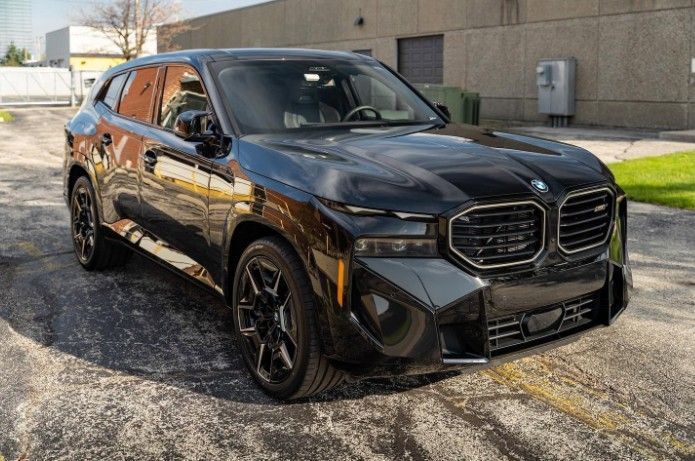
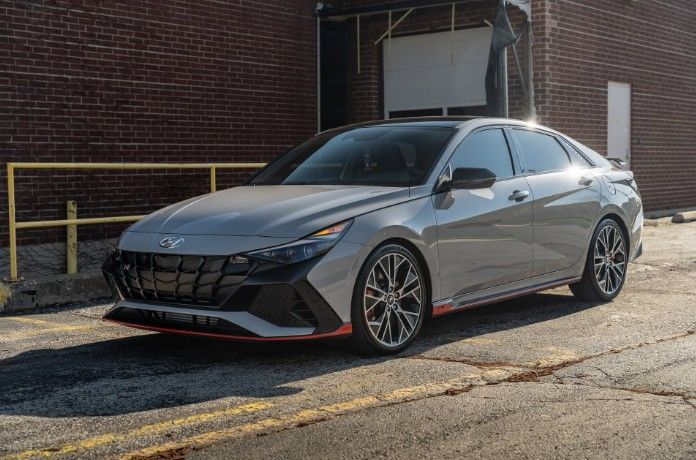
10 Practical Benefits of Paint Protection Film
1. Helps Protect Against Rock Chips
Rock chip resistance is one of the most important PPF benefits for daily-driven vehicles. Small stones can be thrown into the air by tires on cars, trucks, and construction vehicles. When those stones strike an unprotected hood or bumper, they can damage the clear coat and sometimes expose the paint underneath. Although a single chip may appear small, several chips across the front end can make a relatively new vehicle look older.
Paint protection film places a flexible polyurethane-based material over the painted surface. Instead of road debris striking the factory paint directly, much of the impact reaches the film first. PPF cannot make a vehicle completely immune to every possible impact, especially severe strikes that can penetrate the material, but it significantly improves protection against common road debris. For commuters who frequently travel at highway speeds around Carol Stream and surrounding communities, this added layer can be particularly useful.
2. Provides a Physical Barrier Against Light Surface Damage
One of the key differences between paint protection film and many other exterior protection products is that PPF creates an actual physical barrier. A coating or sealant can add chemical resistance, gloss, and easier cleaning, but it does not provide the same type of impact protection as a urethane film. That distinction matters when the main concern involves stones, gravel, road debris, and other physical hazards.
Everyday vehicle use can also produce light surface marks from environmental contact, washing, or incidental brushing against the finish. PPF allows some of those minor marks to affect the protective film rather than the clear coat underneath. It does not make a vehicle scratch-proof, and sharp or severe contact can still damage the film or paint. However, the added physical layer gives owners another level of defense that bare paint simply does not have. This is one of the reasons paint protection film for daily drivers has become practical for vehicles that spend substantial time on the road.
3. Self-Healing Technology Can Reduce Light Surface Marks
Modern paint protection films may include a self-healing top layer designed to reduce the appearance of certain light marks. Heat from warm weather, sunlight, warm water, or another safe heat source can help the material return toward its smooth original state. This feature is especially helpful because even carefully maintained vehicles can develop minor surface imperfections through normal use.
However, self-healing should not be interpreted as unlimited repair capability. PPF cannot automatically repair deep cuts, severe scrapes, punctures, or damage that passes completely through the film. The technology works best on light marks within the film's top layer. Still, this can help the protected surface maintain a smoother appearance during everyday ownership.
For Carol Stream drivers who want their vehicle to continue looking well cared for despite regular commuting, self-healing technology adds practical value. The film continues serving as the sacrificial exterior layer while helping reduce visible evidence of minor surface wear.
4. Helps Preserve the Condition of Factory Paint
Preserving original paint is another of the major benefits of paint protection film for long-term vehicle ownership. Factory paint plays a significant role in the overall appearance of a vehicle. Once that finish becomes heavily chipped, scratched, or damaged, correction options may require touch-up work, repainting, or other repairs. Those solutions can be more involved than protecting vulnerable areas before extensive damage occurs.
PPF helps maintain factory-painted surfaces by separating them from many daily hazards. This can be especially valuable for newer vehicles, vehicles with premium paint colors, or cars that owners plan to keep for several years. Even drivers who eventually plan to sell or trade their vehicle may appreciate having cleaner-looking original paint, although no protection product can guarantee a specific resale value.
The greatest advantage comes from prevention. Instead of reacting after chips have spread across the bumper and hood, a driver can cover vulnerable sections while the paint is still in good condition. Proper preparation before installation also matters. At D’Andrea Auto Detailing, exterior surfaces are cleaned, decontaminated, and inspected before PPF application so the film can be installed over a properly prepared finish.
5. Protects High-Impact Areas That Receive the Most Road Exposure
Not every painted area experiences the same level of risk. Forward-facing and lower sections generally take more abuse because they directly encounter airborne debris and road contamination. Therefore, drivers do not always need to approach PPF as an all-or-nothing decision. Strategic coverage can protect the areas that experience the greatest exposure.
Common high-impact areas include:
- Front bumper: Frequently exposed to rocks, insects, grit, and road debris.
- Full hood or partial hood: Receives airborne debris while driving behind other vehicles.
- Front fenders: Vulnerable to materials thrown from nearby tires.
- Mirror caps: Face direct exposure while traveling at highway speeds.
- Rocker panels: Can collect debris thrown from the vehicle's own tires.
- A-pillars: May receive small impacts during frequent highway travel.
- Front roof edge: Can benefit from protection on vehicles that spend considerable time on open roads.
D’Andrea Auto Detailing offers coverage options that can include several of these areas. For example, broader packages may cover the front bumper, full hood, mirrors, full front fenders, rocker panels, and A-pillars. Drivers can therefore select protection according to road exposure rather than covering areas that may not need the same level of defense.
6. Makes Routine Exterior Maintenance Easier
PPF can make routine vehicle maintenance more manageable by creating a smoother protective surface over the paint. Road grime, bugs, dust, and other contamination still collect on a protected vehicle, so normal washing remains necessary. However, owners are cleaning the protective film rather than repeatedly exposing bare factory paint to the same contamination.
Many modern films also have topcoat technology designed to improve stain resistance and surface behavior. This can help contaminants release more easily during proper washing. Drivers should still remove bird droppings, bug residue, and other potentially harmful materials instead of leaving them on the vehicle for extended periods. PPF adds protection, but regular maintenance helps the film perform and look better over time.
For daily drivers, easier maintenance matters because the vehicle constantly returns to the road. A weekend vehicle may stay clean for long periods inside a garage, while a commuter may become dirty again within days. Effective car paint protection should therefore support realistic ownership habits. A well-installed film gives drivers a durable surface designed to tolerate everyday exposure while allowing routine cleaning to remain straightforward.
7. Provides Useful Protection During Illinois Seasonal Changes
Illinois weather changes significantly throughout the year. That seasonal variation means a daily driver can encounter very different hazards within a relatively short period. Paint protection film provides continuous coverage rather than requiring drivers to predict exactly when debris or contamination will appear. During winter, road salt, sand, grit, and dirty moisture can cover lower panels and forward-facing surfaces. Snowplows and traffic can move abrasive materials around busy roads. During spring, rain and changing temperatures can create dirty road conditions. Summer brings insects and more recreational driving, while fall can increase exposure to leaves, plant residue, and changing road conditions.
Drivers should continue washing their vehicles throughout the year, especially after exposure to heavy winter contamination. PPF does not replace good maintenance. Instead, it complements that maintenance by placing a protective layer between road hazards and paint.
Seasonal protection can be particularly valuable for:
- Vehicles driven throughout winter rather than stored.
- Cars regularly parked outside.
- Drivers who commute five or more days each week.
- Vehicles traveling behind trucks and commercial traffic.
- Families that make frequent highway trips.
- Owners who want consistent protection throughout changing seasons.
Because the film remains installed on the vehicle, protection is already present when road conditions change unexpectedly.
8. Helps a Daily Driver Look Newer for Longer
One of the most visible PPF benefits is the ability to reduce the accumulation of cosmetic wear in protected areas. A vehicle may still be mechanically excellent after several years, but paint chips and worn front-end surfaces can make it look considerably older. Preventing some of this visible deterioration can help the vehicle maintain a cleaner and better-kept appearance.
This benefit becomes more significant with daily driving because mileage often corresponds with greater road exposure. A car that travels thousands of miles annually has thousands of opportunities to encounter stones, grit, insects, and airborne debris. Even careful driving cannot control what other vehicles throw onto the road.
PPF does not eliminate the need for detailing, washing, or responsible vehicle care. It also cannot prevent every form of damage. However, it helps reduce one of the most common forms of cosmetic deterioration: direct exposure of painted surfaces to road hazards. Drivers who care about preserving the original appearance of a newer vehicle may find this especially valuable.
9. Allows Drivers to Choose Protection Based on Their Driving Habits
Another advantage of PPF is flexibility. Not every vehicle needs identical coverage because not every driver has the same lifestyle. Someone who travels only short local distances may choose different coverage than someone who spends an hour on the highway each day. Similarly, a sports car driven on weekends may have different protection priorities from a family SUV used throughout the year.
Drivers can choose between partial front coverage, full front coverage, or broader packages that protect additional high-impact areas. For example, a partial front setup can focus on the bumper, part of the hood, mirrors, and portions of the front fenders. A full-front option may protect the entire hood and full front fenders. Wider coverage can include rocker panels and A-pillars for vehicles that face increased road exposure.
Before selecting a package, consider questions such as:
- How many miles do you drive each week?
- Do you regularly use highways or interstates?
- Is your vehicle exposed to construction routes or loose gravel?
- Do you plan to keep the vehicle for several years?
- Which areas already collect the most chips or contamination?
- Is protecting factory paint a high ownership priority?
- Do you drive the vehicle throughout the Illinois winter?
These questions help connect the installation decision with actual driving habits rather than simply choosing the largest package by default.
10. Can Reduce the Need to Correct Preventable Paint Damage Later
Prevention can often be simpler than correcting visible damage after it develops. Paint chips, deeper scratches, and road-related defects do not always disappear through standard detailing. Some damage may require touch-up paint, bodywork, or refinishing. Therefore, protecting high-risk areas before extensive wear appears may reduce the likelihood of needing certain corrective services later.
This does not mean PPF eliminates every future paint repair. A severe impact can damage both the film and the surface underneath. Film can also eventually require replacement due to age, wear, damage, or changing owner preferences. However, it serves as a sacrificial barrier. In many normal driving situations, the film receives exposure that otherwise would have reached the factory finish.
For someone evaluating the
benefits of paint protection film, this preventive approach is important. The goal is not to make a car indestructible. Instead, PPF helps manage predictable risks that come with actually using the vehicle. That makes it particularly relevant for daily drivers rather than only collectors or show cars.
D’Andrea Detail Paint Protection Film Packages
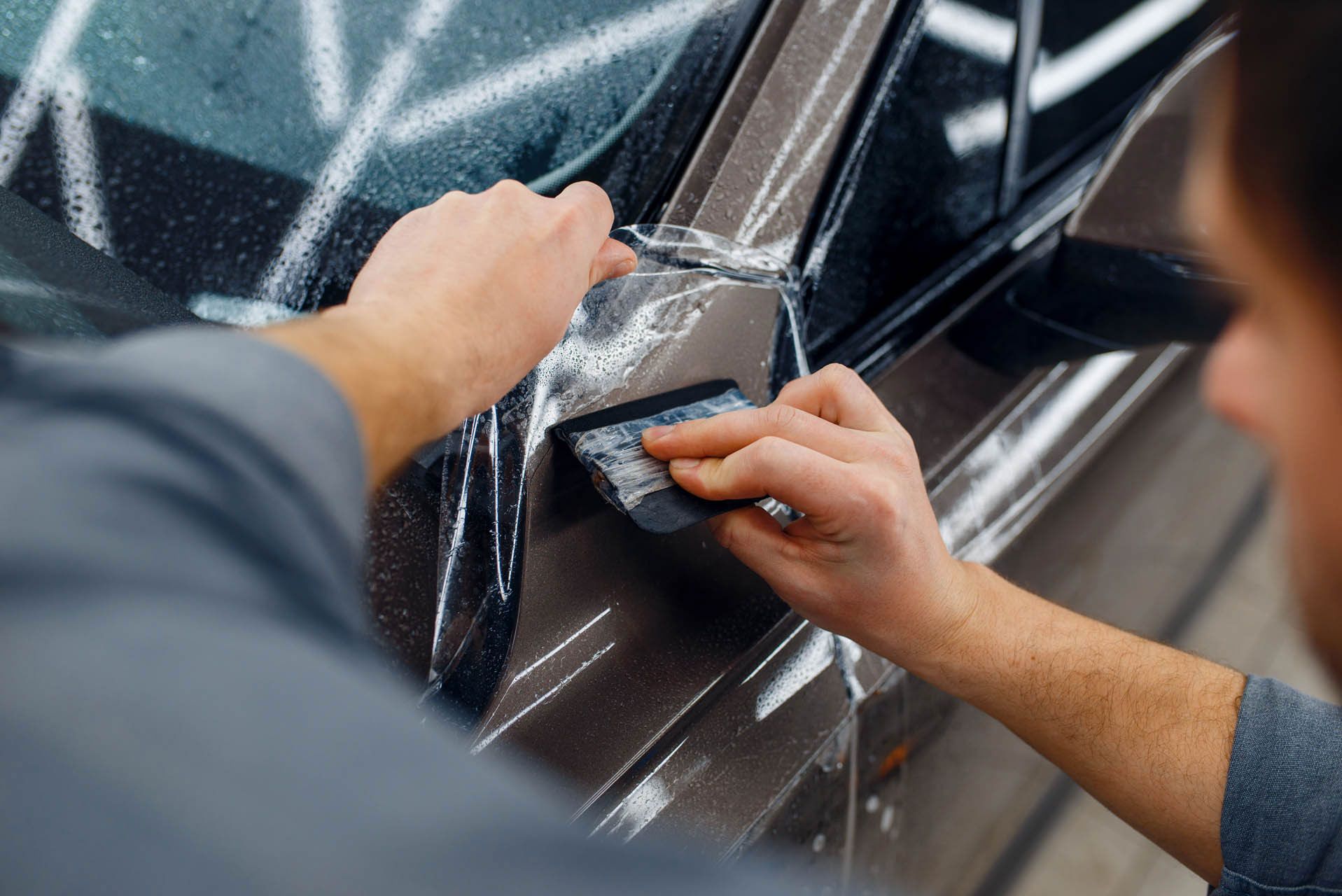
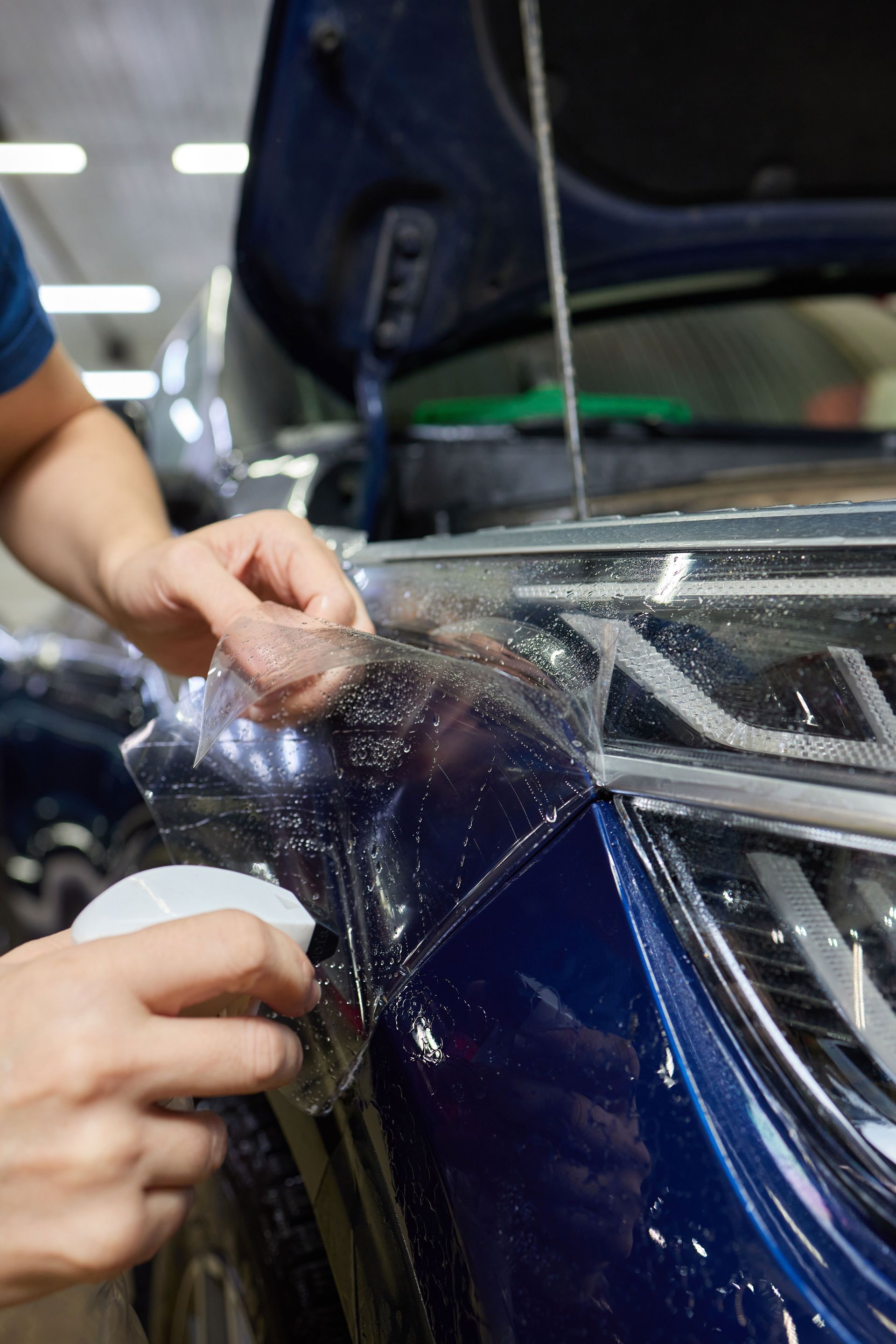
D’Andrea Detail offers multiple Paint Protection Film (PPF) packages designed to match different driving habits, protection goals, and vehicle coverage needs. Whether you want targeted protection for the most vulnerable front-end areas or more comprehensive coverage for daily driving, each package is designed to help defend your vehicle’s paint against rock chips, road debris, and everyday exposure. Our professional PPF installation process focuses on proper preparation and precise application to help deliver long-lasting protection while maintaining the appearance of your vehicle.
Premium Coverage Protection Package
For drivers who want maximum protection for their daily driver, the Premium Coverage Protection Package provides extensive coverage across the areas that experience the highest amount of road exposure. Starting at $2,995, this package is ideal for vehicles that regularly travel highways, encounter road debris, or need added protection beyond the traditional front-end areas.
This package protects critical impact zones, including the front bumper, full hood, mirrors, full front fenders, rocker panels, and A-pillars. By covering these areas, drivers can reduce exposure to common hazards such as rocks, gravel, road debris, and other environmental contaminants that can affect the vehicle’s original paint condition over time.
The Premium Coverage Protection Package includes:
- Front bumper
- Full hood
- Mirrors
- Full front fenders
- Rocker panels
- A-pillars
With expert installation from D’Andrea Detail, this comprehensive PPF package helps keep your vehicle looking newer while providing confidence during everyday driving.
Full Front Protection Package
The Full Front Protection Package, starting at $2,395, is designed for drivers who want strong protection for the areas most commonly affected by road hazards. This package focuses on the vehicle’s front-facing surfaces, which typically receive the most impact from rocks, insects, gravel, and highway debris. By protecting the front bumper, full hood, mirrors, and full front fenders, this option helps preserve the factory paint in highly visible areas while maintaining the original appearance of the vehicle.
The Full Front Protection Package includes:
- Front bumper
- Full hood
- Mirrors
- Full front fenders
This package is a popular choice for daily drivers in Carol Stream, IL, because it provides practical coverage for vehicles that experience regular commuting and everyday road exposure.
Partial Front Protection Package
For drivers looking for essential protection in high-impact areas, the Partial Front Protection Package, starting at $1,450, offers a more focused solution. This option covers the areas most likely to experience direct contact from road debris while providing an effective layer of defense for the vehicle’s paint.
The Partial Front Protection Package includes:
- Front bumper
- Partial hood
- Mirror caps
- Partial front fenders
This package works well for drivers who want to protect vulnerable areas while keeping coverage focused on the sections that receive the most exposure. It provides an excellent starting point for owners who want the benefits of paint protection film without selecting full vehicle coverage. No matter which package you choose, D’Andrea Detail can help you determine the right level of PPF protection based on your driving habits, vehicle usage, and long-term paint preservation goals. Contact our team today to learn more about Paint Protection Film installation in Carol Stream and find the coverage option that best fits your vehicle.
How to Choose the Right PPF Coverage for a Daily Driver
Choosing PPF coverage should begin with how and where the vehicle is driven. A commuter who regularly travels on highways around Carol Stream may benefit from broader front-end protection because higher speeds increase exposure to airborne debris. A driver who mainly travels short residential routes may decide that focused coverage provides enough protection. There is no universal package that fits every owner.
Start by examining the vehicle's front bumper, hood, mirrors, fenders, rocker panels, and A-pillars. These surfaces often reveal where damage is most likely to develop. Next, consider annual mileage and road type. Highway miles expose a vehicle differently from low-speed neighborhood driving. Construction-heavy routes can also increase contact with dust, gravel, and other debris.
A practical step-by-step decision process can include:
- Identify how many miles the vehicle travels during a typical week.
- Determine how much of that driving occurs at highway speeds.
- Inspect the front end for existing chips or surface wear.
- Decide how long you expect to keep the vehicle.
- Prioritize the areas where protecting original paint matters most.
- Compare partial-front, full-front, and broader coverage options.
- Have the paint inspected before installation.
- Choose professional installation that includes proper surface preparation.
Drivers who want help comparing coverage options can review D’Andrea Auto Detailing's Paint Protection Film installation Services. Matching the package to the vehicle's actual use can provide practical protection without treating every car the same way.
Paint Protection Film Versus Ceramic Coating for Daily Drivers
PPF and ceramic coating are sometimes discussed as if they perform the same job, but they address different concerns. Paint protection film provides a flexible physical layer that helps defend against impacts from stones, grit, and similar debris. Ceramic coating primarily adds chemical resistance, hydrophobic behavior, gloss, and easier surface maintenance. A ceramic coating should not be treated as a substitute for a physical impact barrier.
For a daily driver concerned about rock chips, the physical construction of PPF makes it the more relevant protection option. If the owner's main concern involves easier cleaning, gloss, and water behavior, ceramic coating may also be useful. Some vehicle owners combine both technologies to address different protection goals, provided the products and application methods are compatible.
Understanding that distinction helps prevent unrealistic expectations. Neither solution makes a car completely scratch-proof or damage-proof. PPF can still be cut or punctured by severe impacts. Ceramic coating can still develop surface contamination or marks. However, when each product is used for its intended purpose, it can become part of a broader exterior protection strategy.
For a Carol Stream daily driver, the priority should begin with the hazards the vehicle experiences most often. If highway debris and rock chips are the primary concern, protecting exposed areas with PPF is a logical starting point.
Conclusion
Daily driving should not mean accepting unnecessary paint wear as unavoidable. Whether you commute around Carol Stream, travel on Illinois highways, drive throughout the winter, or simply want to keep a newer vehicle looking well maintained, professionally installed PPF can provide meaningful protection where your vehicle needs it most. D’Andrea Auto Detailing offers paint protection film solutions for high-impact areas including front bumpers, hoods, mirrors, front fenders, rocker panels, and A-pillars depending on the selected coverage package. We also prepare and inspect the exterior before installation so the film is applied to a properly cleaned surface.
The right package depends on your driving habits and protection goals. Some daily drivers may need focused front-end coverage, while frequent highway commuters may benefit from protecting additional areas exposed to road debris. Our team can help you understand the available coverage and choose an option that makes sense for your vehicle rather than recommending unnecessary protection.
If you want to reduce rock chips, protect vulnerable paint, and keep your daily driver looking newer for longer, contact
D’Andrea Auto Detailing today to get a free quote for paint protection film in Carol Stream, IL.
